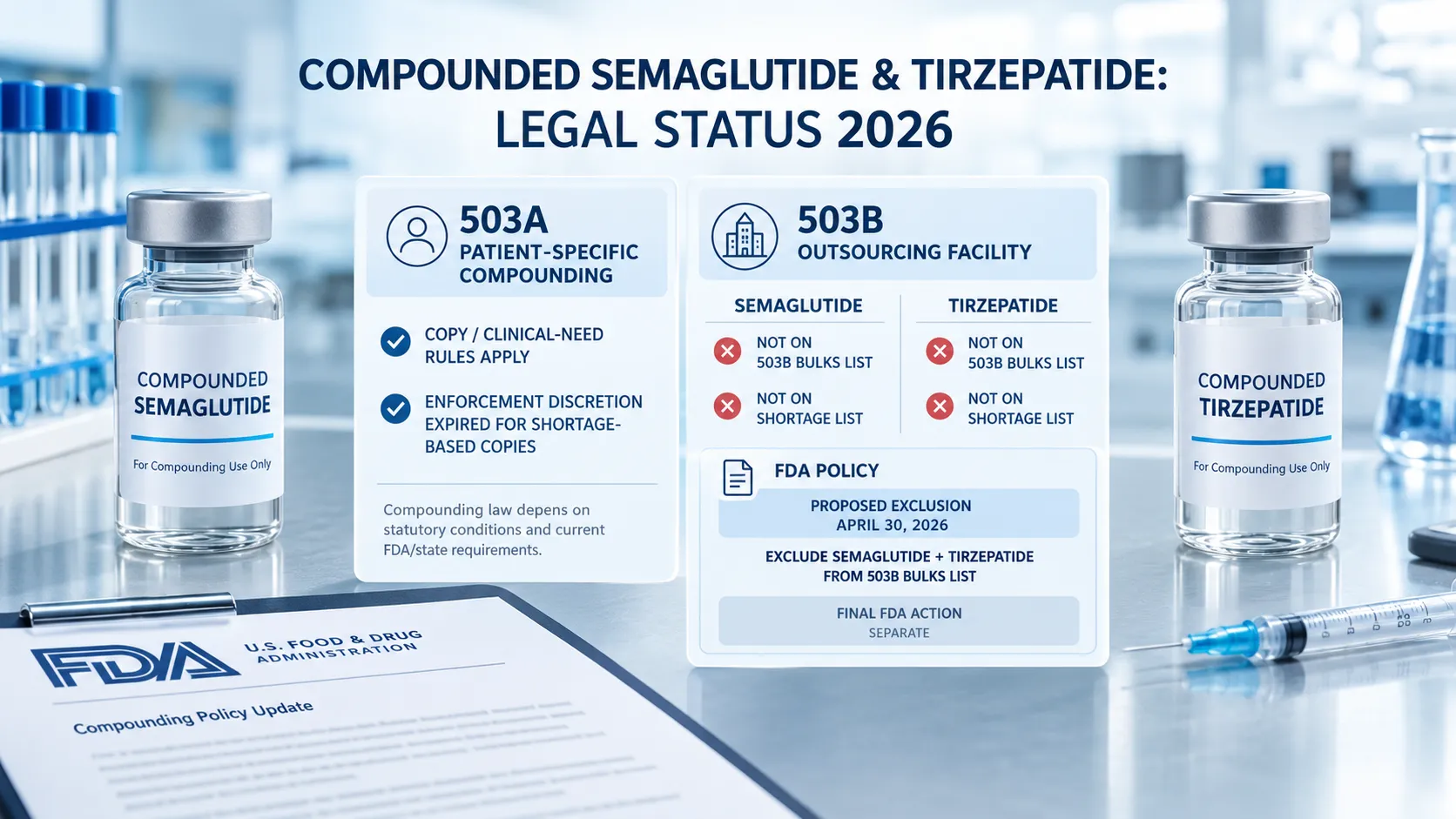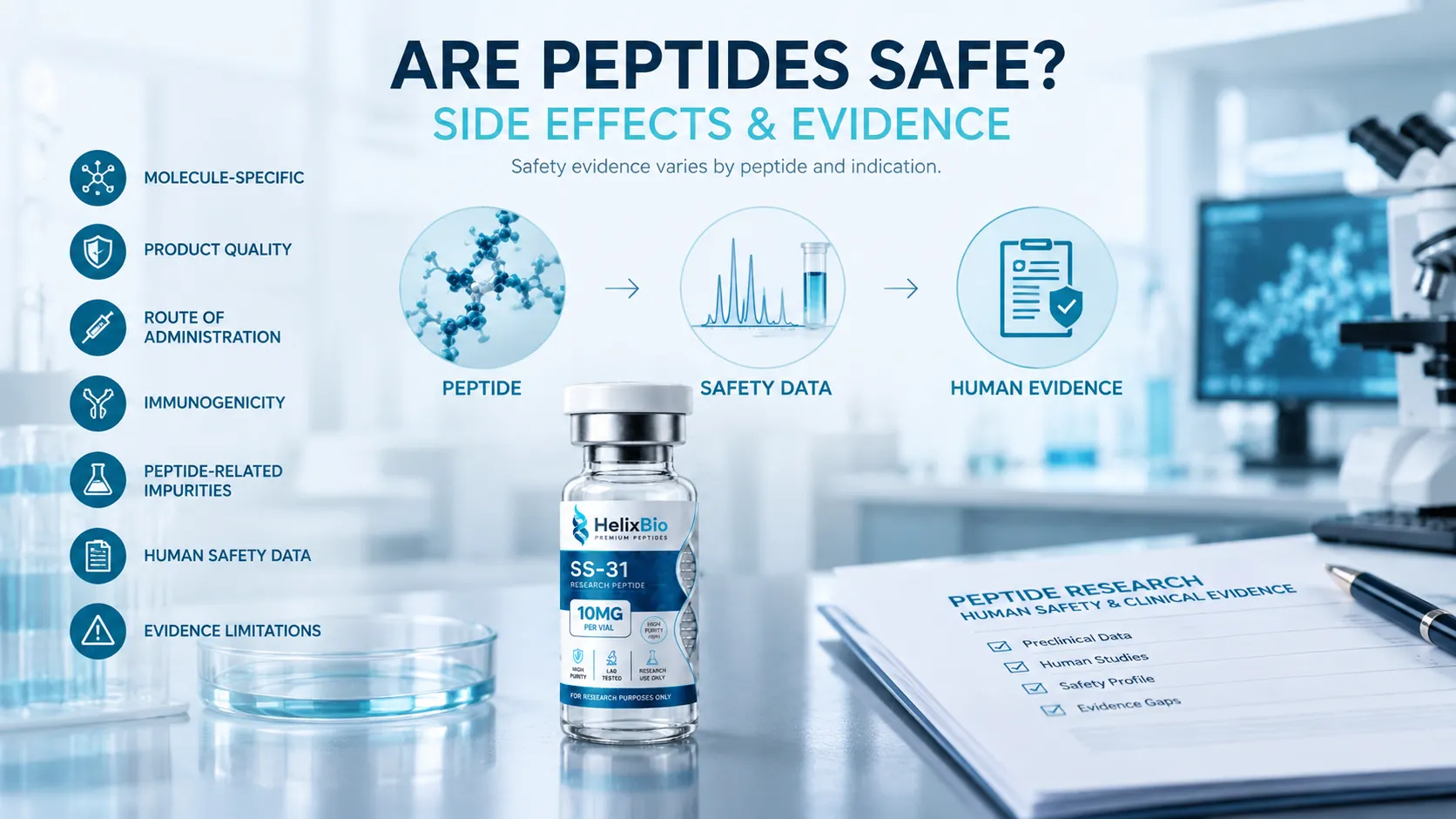

- GLP-1 and GIP incretin research has progressed from single-agonism (Semaglutide) to dual-agonism (Tirzepatide) and tri-agonism (Retatrutide).
- Semaglutide's Aib-8 substitution and C-18 fatty acid chain give it DPP-4 resistance and roughly a 7-day half-life.
- Tirzepatide activates both GIP and GLP-1 receptors, with research models showing greater mass reduction than single-agonist compounds.
- Retatrutide adds Glucagon receptor agonism, which research links to increased energy expenditure alongside appetite suppression.
- All three compounds require reconstitution with Bacteriostatic Water and refrigerated storage post-reconstitution.
- These compounds are intended strictly for in-vitro laboratory research, not human or animal use.
The landscape of metabolic research has undergone a paradigm shift with the advent of incretin mimetics. Specifically, glucagon-like peptide-1 (GLP-1) receptor agonists and dual/tri-agonists have revolutionized our understanding of glucose homeostasis, energy expenditure, and adipose tissue regulation. In this comprehensive guide, we dissect the molecular structures, half-lives, and research protocols of Semaglutide, Tirzepatide, and Retatrutide.
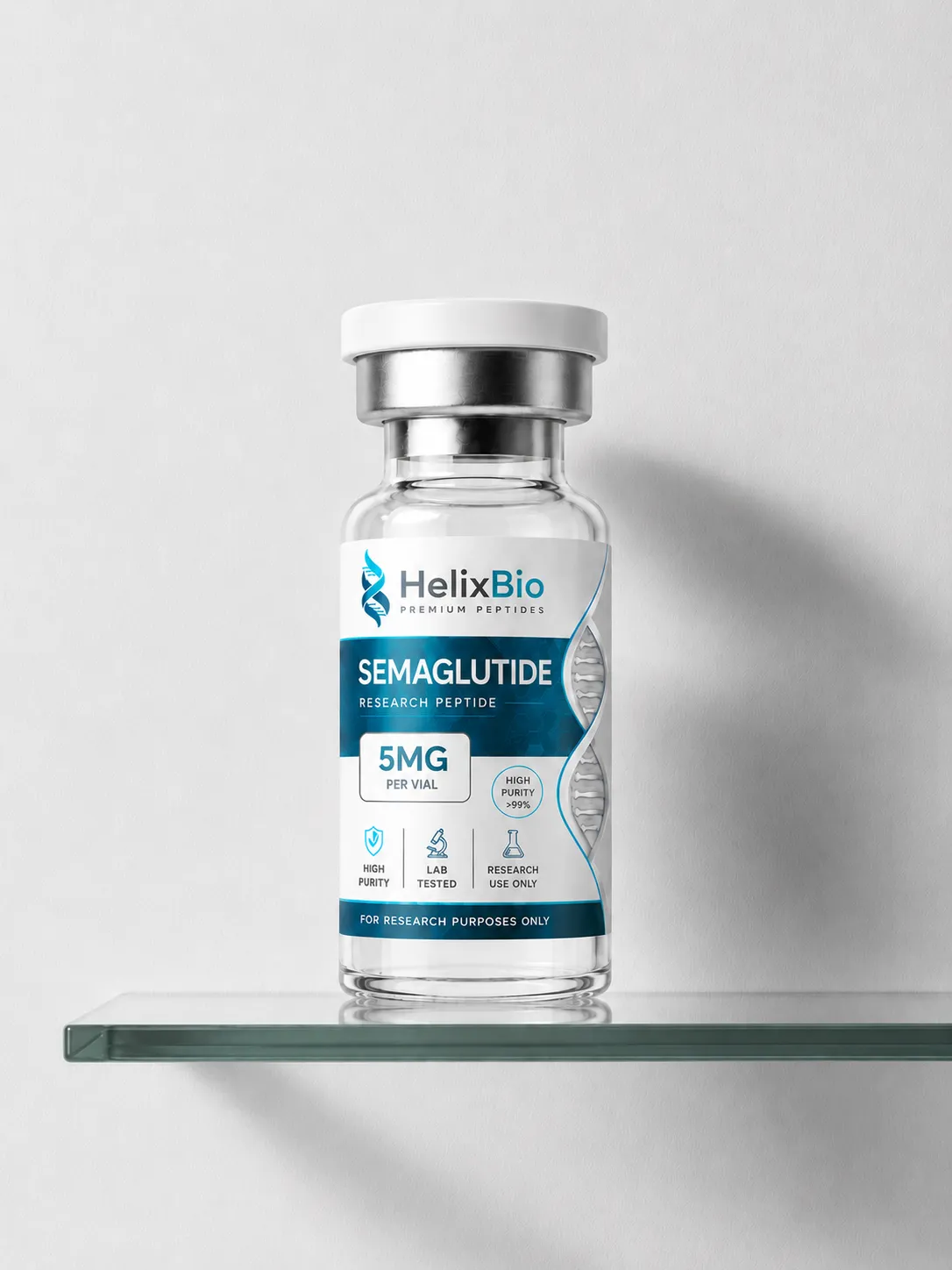
Semaglutide
RESEARCH PEPTIDE
Semaglutide is a synthetic research peptide studied for its activity as a GLP-1 receptor agonist — one of the most extensively documented compounds in incretin pharmacology, with a clinical trial record (the STEP and SUSTAIN programs) that spans over a decade. Developed originally by Novo Nordisk, Semaglutide is the reference point most researchers use when evaluating newer dual- and triple-agonist peptides such as GLP-1TRZ and GLP-3RTA. Helix Bio supplies Semaglutide as a lyophilized powder intended strictly for laboratory and preclinical research, manufactured to a high-purity standard and backed by third-party verification. It is not intended for human consumption, diagnostic use, or any therapeutic application, and it is a separate product from FDA-approved branded medications.
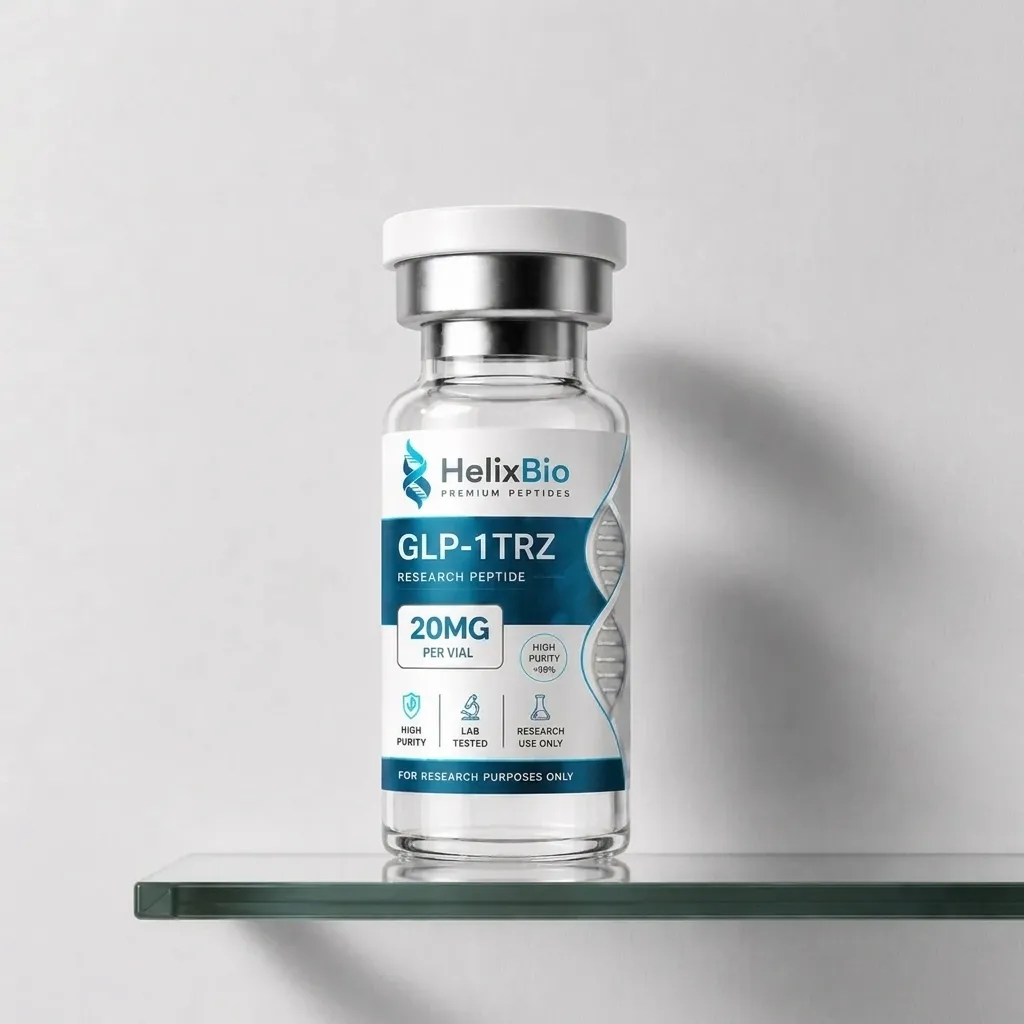
GLP-1TRZ
RESEARCH PEPTIDE
GLP-1TRZ is a synthetic research peptide studied for its activity as a dual GIP/GLP-1 receptor agonist — engaging two distinct incretin receptor pathways within a single molecule. It sits between single-receptor compounds like Semaglutide and the newer triple-agonist GLP-3RTA, making it a common middle point of comparison in incretin research. Helix Bio supplies GLP-1TRZ as a lyophilized powder intended strictly for laboratory and preclinical research, manufactured to a high-purity standard and backed by third-party verification. It is not intended for human consumption, diagnostic use, or any therapeutic application, and it is a separate product from FDA-approved branded medications.
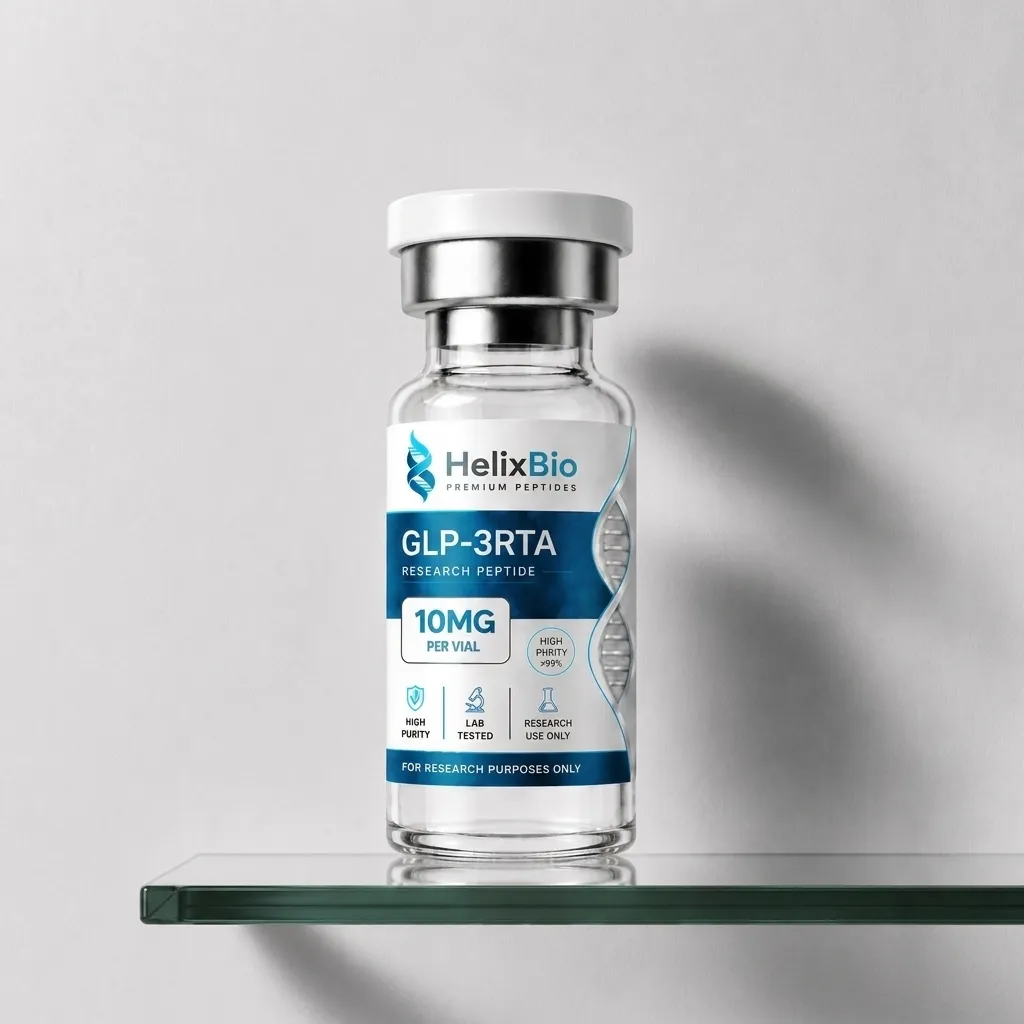
GLP-3RTA
RESEARCH PEPTIDE
GLP-3RTA is a synthetic research peptide studied for triple hormone receptor agonism — activity across the GLP-1, GIP, and glucagon receptors within a single molecule. That three-receptor mechanism has made it one of the most closely watched areas of metabolic and endocrine research, setting it apart from single- or dual-agonist peptides such as Semaglutide and GLP-1TRZ. Helix Bio supplies GLP-3RTA as a lyophilized powder intended strictly for laboratory and preclinical research, manufactured to a high-purity standard and backed by third-party verification. It is not intended for human consumption, diagnostic use, or any therapeutic application.
Introduction to Incretin Research
Incretin hormones are secreted by the gastrointestinal tract in response to nutrient intake. The two primary incretins are GLP-1 and glucose-dependent insulinotropic polypeptide (GIP). Traditional research focused solely on GLP-1 agonism (as seen in Semaglutide). However, contemporary studies have shifted toward dual-agonism (Tirzepatide) and tri-agonism (Retatrutide), which incorporate GIP and Glucagon (GCG) receptor activation to observe compounding metabolic effects.
Semaglutide: The GLP-1 Pioneer
Semaglutide is a modified version of human GLP-1, featuring a substitution of alanine with alpha-aminoisobutyric acid (Aib) at position 8. This minor structural tweak prevents degradation by the dipeptidyl peptidase-4 (DPP-4) enzyme. Additionally, the attachment of a C-18 fatty di-acid chain via a spacer to lysine at position 26 allows Semaglutide to bind strongly to serum albumin.
- Half-Life: Approximately 7 days in vivo, making it highly suitable for once-weekly research administration.
- Mechanism: Selective GLP-1 receptor agonism. It slows gastric emptying, promotes insulin secretion in a glucose-dependent manner, and suppresses glucagon secretion.
- Research Application: Predominantly utilized in studies evaluating baseline weight loss, cardiovascular risk reduction, and pancreatic beta-cell function.
Tirzepatide: The Dual GIP/GLP-1 Agonist
Tirzepatide marks the evolution from single to dual incretin receptor agonism. Structurally, it is a 39-amino-acid synthetic peptide engineered to activate both GIP and GLP-1 receptors. It contains a C20 fatty di-acid moiety that extends its half-life, similar to Semaglutide, but its affinity profile is uniquely skewed.
Interestingly, Tirzepatide binds to the GIP receptor with an affinity comparable to native GIP, but its affinity for the GLP-1 receptor is approximately five times weaker than native GLP-1. Despite this imbalanced affinity, the synergistic activation yields profoundly augmented effects on energy metabolism and lipid storage.
- Synergistic Action: GIP agonism enhances the insulinotropic effects of GLP-1 while directly interacting with adipose tissue to regulate lipid buffering.
- Research Outcomes: In comparative models, Tirzepatide frequently outpaces Semaglutide in total body mass reduction and lipid profile improvements.
Retatrutide: The Tri-Agonist Frontier
Retatrutide (LY3437943) is the bleeding edge of metabolic peptide research. It is a single peptide engineered to agonize three distinct receptors simultaneously: GLP-1, GIP, and Glucagon (GCG).
While GLP-1 and GIP reduce appetite and improve insulin sensitivity, the addition of Glucagon receptor agonism directly increases energy expenditure. In earlier research paradigms, stimulating glucagon was counterintuitive for glycemic control. However, when paired with powerful incretins, the hyper-caloric burn caused by glucagon activation occurs without detrimental hyperglycemic spikes.
Comparative Summary for Researchers
Compound | Receptor Targets | Primary Mechanism |
|---|---|---|
Semaglutide | GLP-1 | Appetite suppression, delayed gastric emptying. |
Tirzepatide | GLP-1 + GIP | Enhanced lipid buffering, superior glycemic control. |
Retatrutide | GLP-1 + GIP + GCG | Appetite suppression + direct energy expenditure increase. |
These peptides are distributed strictly for in-vitro laboratory research and are not for human or animal consumption.
Frequently Asked Questions
Early phase models typically begin with a titration protocol starting at 0.25mg per week to observe gastrointestinal tolerability, eventually scaling to 2.4mg per week for maximum metabolic efficacy.
Research suggests that GIP agonism possesses anti-emetic properties. Consequently, despite driving higher metabolic outcomes, Tirzepatide often displays a comparable or slightly improved nausea profile relative to high-dose Semaglutide in research models.
Glucagon increases basal metabolic rate and promotes lipolysis. By combining it with GLP-1 and GIP, researchers can study a higher caloric deficit via energy expenditure without sacrificing the glycemic control provided by the incretins.
Yes. Lyophilized Semaglutide, Tirzepatide, and Retatrutide are typically reconstituted using Bacteriostatic Water to help ensure sterility and stability during the research phase.
Once reconstituted with BAC water and stored appropriately in refrigeration (2-8°C), the chemical integrity of these peptides is generally maintained for approximately 28 to 30 days per supplier stability data.
Lyophilized vials should be kept in a cold, dark environment, ideally in a freezer at -20°C for long-term storage, preventing premature peptide degradation.
Both Tirzepatide and Retatrutide exhibit extended half-lives of roughly 5 to 7 days in research models, primarily due to their engineered fatty acid chains that facilitate strong binding to serum albumin.
Yes. GLP-1 receptors are expressed in the central nervous system, particularly the hypothalamus. Research indicates peptides like Semaglutide cross the blood-brain barrier, a proposed mechanism for satiety and appetite modulation.
Native GLP-1 has a half-life of less than 2 minutes due to rapid cleavage by the DPP-4 enzyme. Modern incretin mimetics are synthetically altered, such as via Aib substitution, to resist DPP-4 degradation.
Research protocols vary, but combining incretins with compounds like MOTS-c or AOD9604 is an active area of investigation for synergistic metabolic and mitochondrial research.
Current research data indicates that Retatrutide's tri-agonism leads to a steeper mass reduction curve compared to Tirzepatide in study models, primarily attributed to the added energy expenditure mechanism of the Glucagon receptor.
Significant mass reduction carries a theoretical risk of muscle catabolism. Researchers often monitor lean body mass carefully when studying Tirzepatide, sometimes alongside exercise protocols or complementary peptide research.
Research models indicate Semaglutide is associated with cardiovascular protective effects, lowering the incidence of major adverse cardiovascular events (MACE) in applicable research cohorts.
A standard protocol involves slowly adding 1mL or 2mL of Bacteriostatic Water to the 5mg vial, gently swirling (never shaking) until the lyophilized powder is completely dissolved.
High-purity, third-party tested peptides are paramount for accurate research. Reliable scientific suppliers provide detailed Certificates of Analysis (COA) verifying purity greater than 99%.
Helix Bio Chem Team
Research & Product Team
Our in-house team tracks published peptide research and translates it into clear, source-cited summaries for the research community.
Reviewed by in-house research chemists
support@helixbiochem.com