- CJC-1295 is a synthetic GHRH analog that stimulates the transcription and release of growth hormone in research models.
- CJC-1295 with DAC selectively binds to endogenous albumin, extending its half-life to 5.8-8.1 days.
- Ipamorelin is a highly selective GHSR agonist that induces robust GH release without elevating ACTH, cortisol, or prolactin.
- Combining a GHRH analog and a GHSR agonist produces a synergistic increase in total growth hormone and IGF-1 secretion.
- CJC-1295 normalizes body weight and length in GHRH knockout mice when administered once daily.
- All mentioned compounds are classified as Research Use Only (RUO) and are not approved for human therapeutic use.
The investigation of growth hormone secretagogues (GHS) represents a pivotal area in endocrinological and metabolic research. Among the most extensively studied compounds are the growth hormone-releasing hormone (GHRH) analogs and growth hormone secretagogue receptor (GHSR) agonists. Specifically, the combination of CJC-1295 and Ipamorelin has garnered significant attention in preclinical studies due to its unique synergistic mechanisms. This guide explores the foundational science, pharmacokinetic profiles, and laboratory applications of CJC-1295 Ipamorelin research.
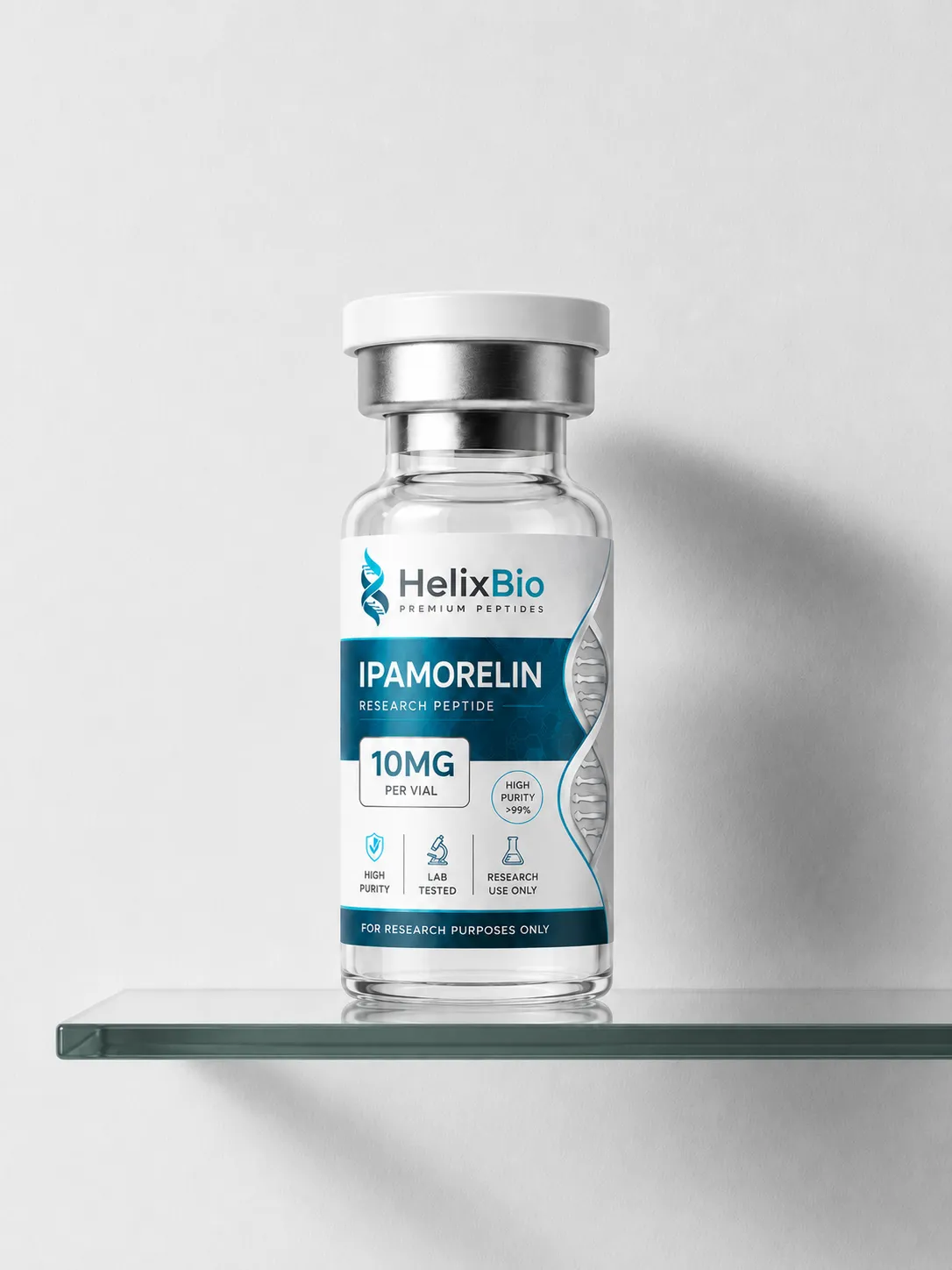
CJC-1295 / Ipamorelin
RESEARCH PEPTIDE
CJC-1295/Ipamorelin is a research peptide combination pairing a GHRH (growth hormone-releasing hormone) analog with a selective GHRP (growth hormone-releasing peptide). Researchers studying the growth hormone axis often work with this pairing because CJC-1295 and Ipamorelin act on two different receptor pathways that are frequently examined together in pulsatile secretion studies. Each vial from Helix Bio is synthesized to a high purity standard and verified before it ships, with a Certificate of Analysis available for every lot. This product is manufactured strictly for laboratory research and is not intended for human or animal use.
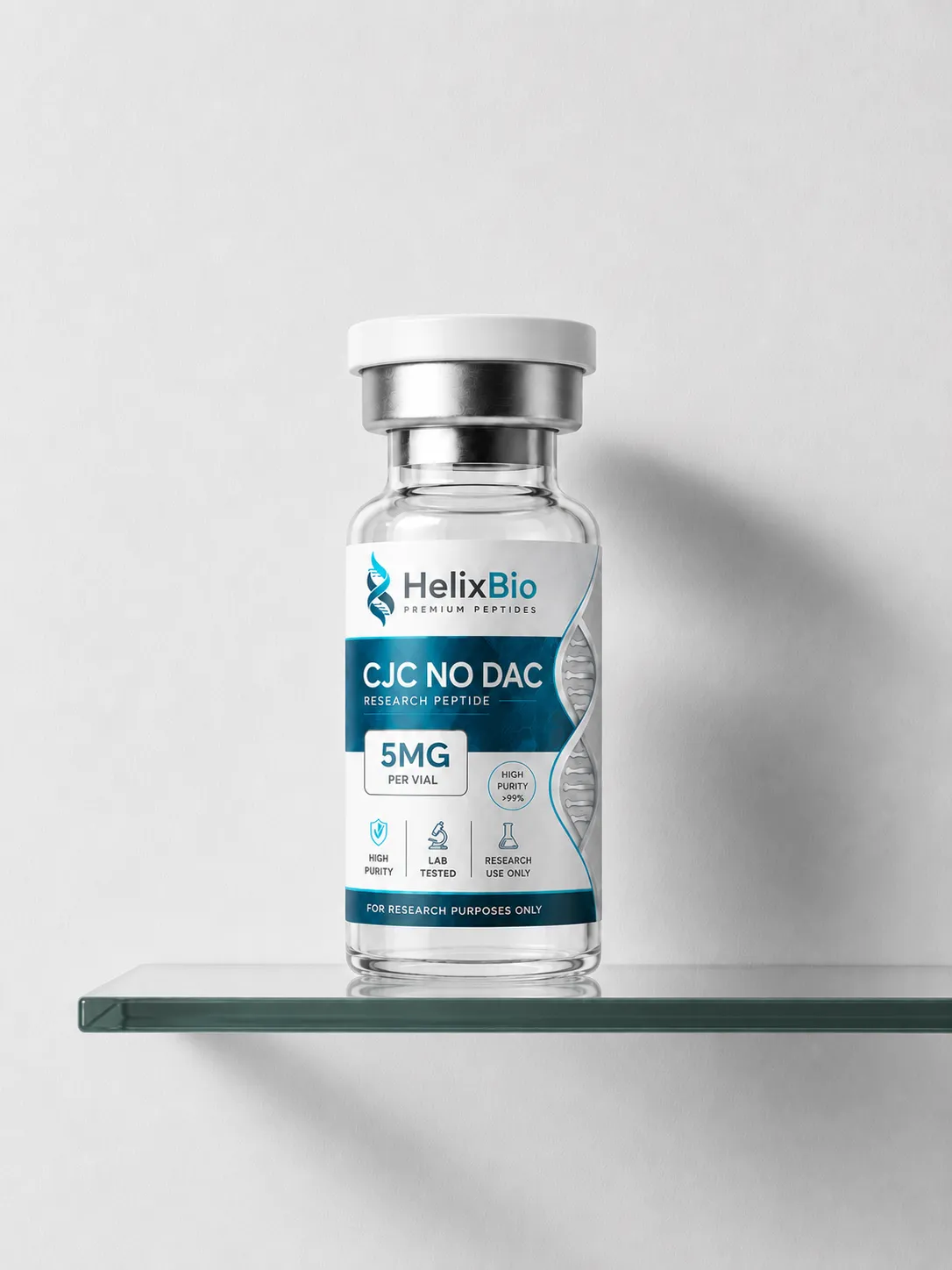
CJC-1295 No DAC
RESEARCH PEPTIDE
CJC-1295 No DAC is a lyophilized, research-use-only peptide belonging to the growth hormone releasing hormone (GHRH) analog family. Unlike the original CJC-1295, this version excludes the Drug Affinity Complex (DAC), which gives it a shorter half-life and makes it a common reference compound in receptor-binding and short-duration in vitro studies. Researchers sometimes refer to it by its other common name, Mod GRF 1-29. Helix Bio supplies this peptide strictly for laboratory and research applications — it is not intended, labeled, or sold for human use.
CJC-1295 with DAC
RESEARCH PEPTIDE
CJC-1295 with DAC is a lyophilized, research-use-only peptide from the growth hormone releasing hormone (GHRH) analog family. The DAC — Drug Affinity Complex — is a modification that allows the peptide to bind reversibly to serum albumin in research models, which extends its presence well beyond what a standard GHRH fragment shows. That makes it a useful reference compound for researchers studying longer-duration receptor activity, as opposed to the short, sharp activity window seen with CJC-1295 No DAC. Helix Bio supplies this peptide strictly for laboratory and research applications — it is not intended, labeled, or sold for human use.
Ipamorelin
RESEARCH PEPTIDE
Ipamorelin is a synthetic pentapeptide studied as a selective growth hormone secretagogue (GHS). It belongs to the GHRP (growth hormone-releasing peptide) class and is recognized in the research literature for binding the ghrelin receptor with a comparatively high degree of selectivity, meaning it shows less off-target interaction with cortisol and prolactin than older-generation GHRPs. Helix Bio supplies Ipamorelin as a lyophilized research peptide, synthesized to a high purity standard and verified before it ships, with a Certificate of Analysis available for every lot. This product is manufactured strictly for laboratory research and is not intended for human or animal use.
In laboratory environments, researchers study these peptides to understand their capacity to stimulate the anterior pituitary gland, thereby promoting the secretion of growth hormone (GH) without the rapid down-regulation or excessive prolactin spikes often associated with older secretagogues. Understanding the biochemical pathways of these compounds is critical for advancing research into cellular regeneration, metabolic regulation, and age-related endocrine decline in animal models.
Mechanism of Action in Research Models
To comprehend the efficacy of CJC-1295 Ipamorelin research, investigators must analyze the distinct yet complementary mechanisms through which these two peptides operate in vitro and in vivo.
The Role of CJC-1295 as a GHRH Analog
CJC-1295 is a synthetic analog of endogenous GHRH (Growth Hormone-Releasing Hormone). Its primary function in research subjects is to bind to the GHRH receptors on somatotroph cells in the anterior pituitary. This binding triggers a cyclic AMP (cAMP) dependent pathway, ultimately leading to the transcription and release of GH. Research demonstrates that CJC-1295, when administered once daily to GHRH knockout (GHRHKO) mice, normalizes body weight and length, indicating its profound efficacy in correcting severe GH deficiencies.
Ipamorelin: A Selective GHRP
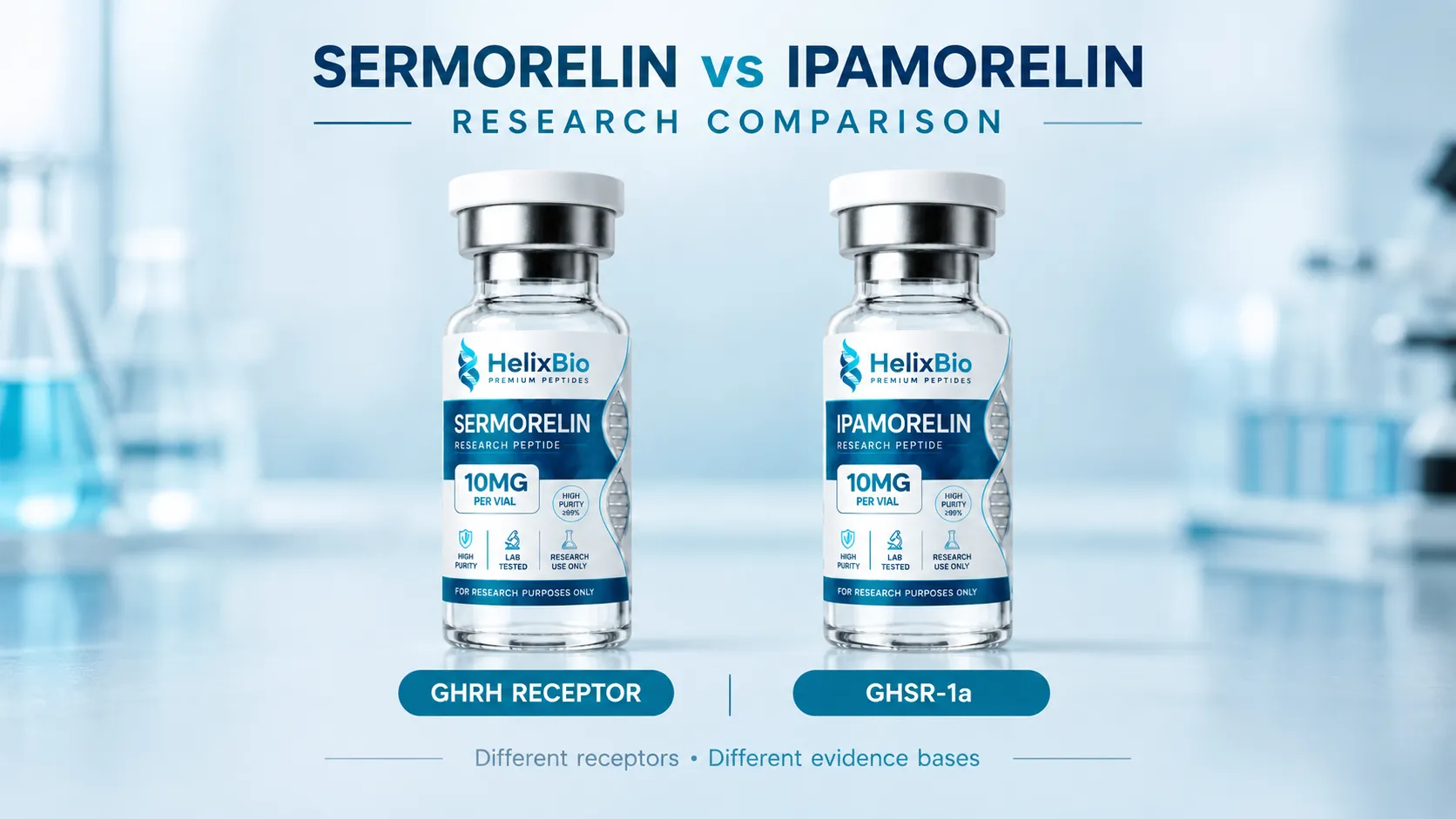
Ipamorelin is a pentapeptide and a selective agonist of the ghrelin/growth hormone secretagogue receptor (GHSR). Unlike earlier Growth Hormone Releasing Peptides (GHRPs) such as GHRP-2 or GHRP-6, Ipamorelin exhibits a highly specific binding profile. In preclinical research, it induces robust GH release without significantly elevating adrenocorticotropic hormone (ACTH), cortisol, or prolactin levels. This high selectivity makes it an ideal candidate for long-term observational studies in animal models where avoiding stress-hormone fluctuations is paramount.
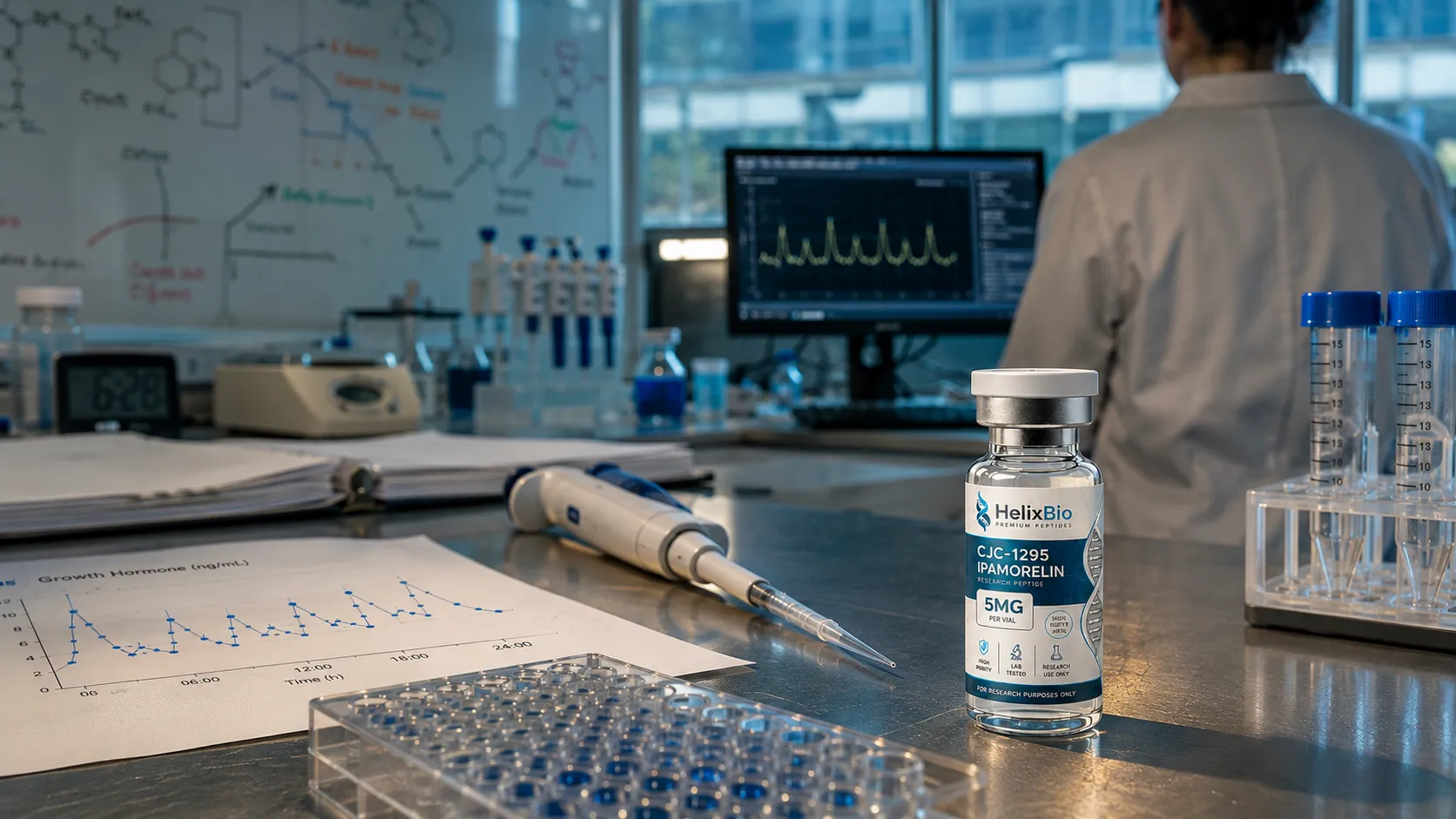
When conducting CJC-1295 Ipamorelin research, investigators typically combine the two to mimic the body's natural pulsatile GH release while elevating the baseline trough levels, creating a synergistic multiplier effect on total GH secretion.
Understanding CJC-1295: With DAC vs. No DAC
A critical distinction in GHRH analog research is the presence or absence of the Drug Affinity Complex (DAC). The DAC modifies the peptide's pharmacokinetic profile significantly.
CJC-1295 No DAC (Modified GRF 1-29)
Often mislabeled simply as CJC-1295, CJC-1295 No DAC (properly termed Mod GRF 1-29) is a tetrasubstituted analog of GRF 1-29. It has a short half-life of approximately 30 minutes. In laboratory protocols, it is typically administered multiple times a day to induce acute, natural-mimicking pulses of GH release. It does not bind to albumin, ensuring rapid clearance from the system.
CJC-1295 with DAC
CJC-1295 with DAC features the addition of a maleimidopropionic acid complex. This complex allows the peptide to selectively and covalently bind to endogenous albumin post-injection. This binding extends its half-life dramatically. Subcutaneous administration of CJC-1295 in healthy adult research models resulted in sustained, dose-dependent increases in GH and IGF-1 levels, with an estimated half-life (t½) of 5.8 to 8.1 days. Mean IGF-1 levels remained elevated above baseline for up to 28 days following multiple doses.
Feature | CJC-1295 No DAC (Mod GRF 1-29) | CJC-1295 with DAC |
|---|---|---|
Amino Acids | 29 | 29 + DAC |
Half-Life | ~30 minutes | 5.8 - 8.1 days |
GH Release Pattern | Acute, pulsatile | Continuous, sustained elevation |
Administration Frequency | Multiple times daily (typical) | 1-2 times weekly (typical) |
Comparative Analysis: Sermorelin and Tesamorelin
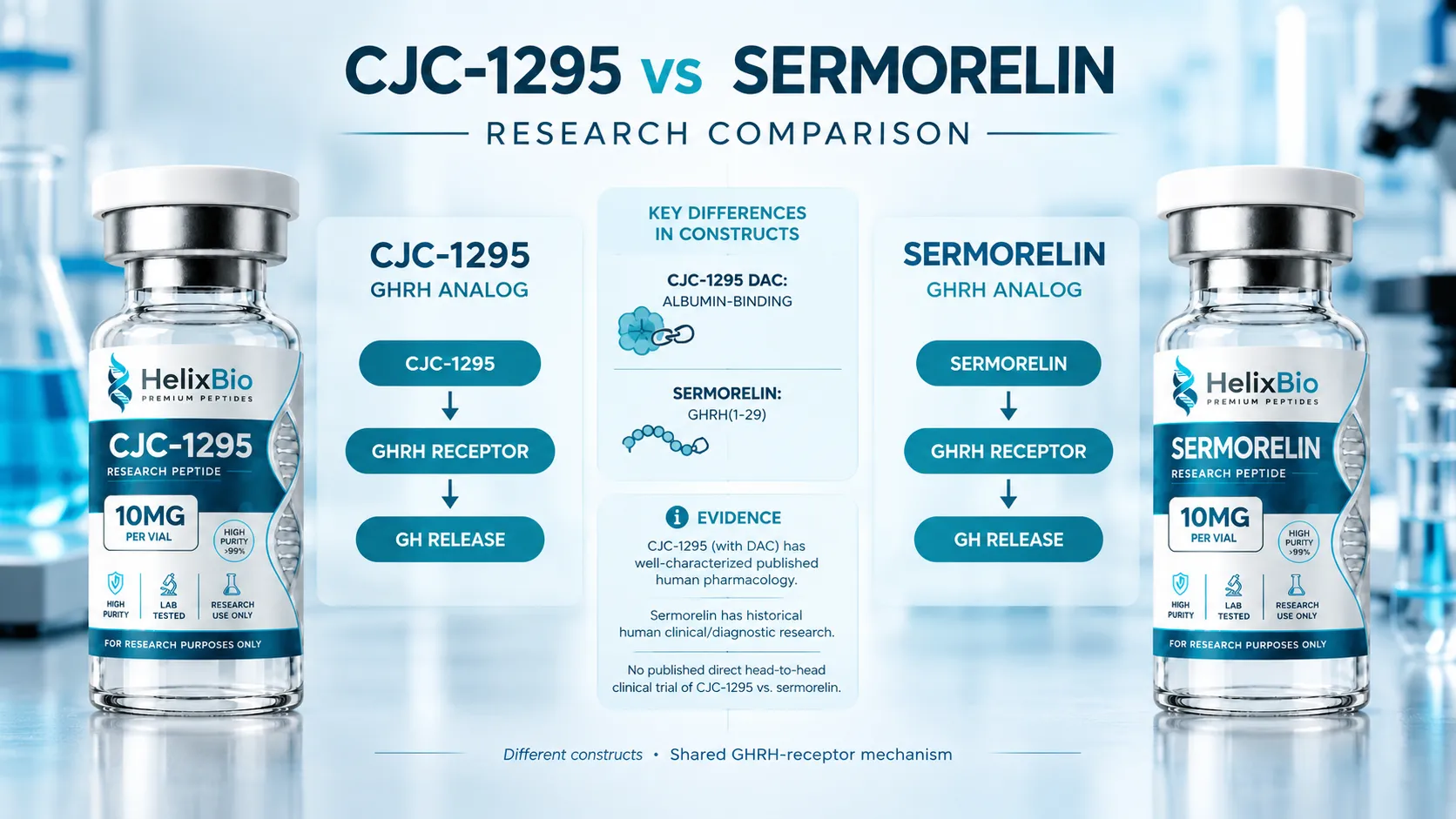
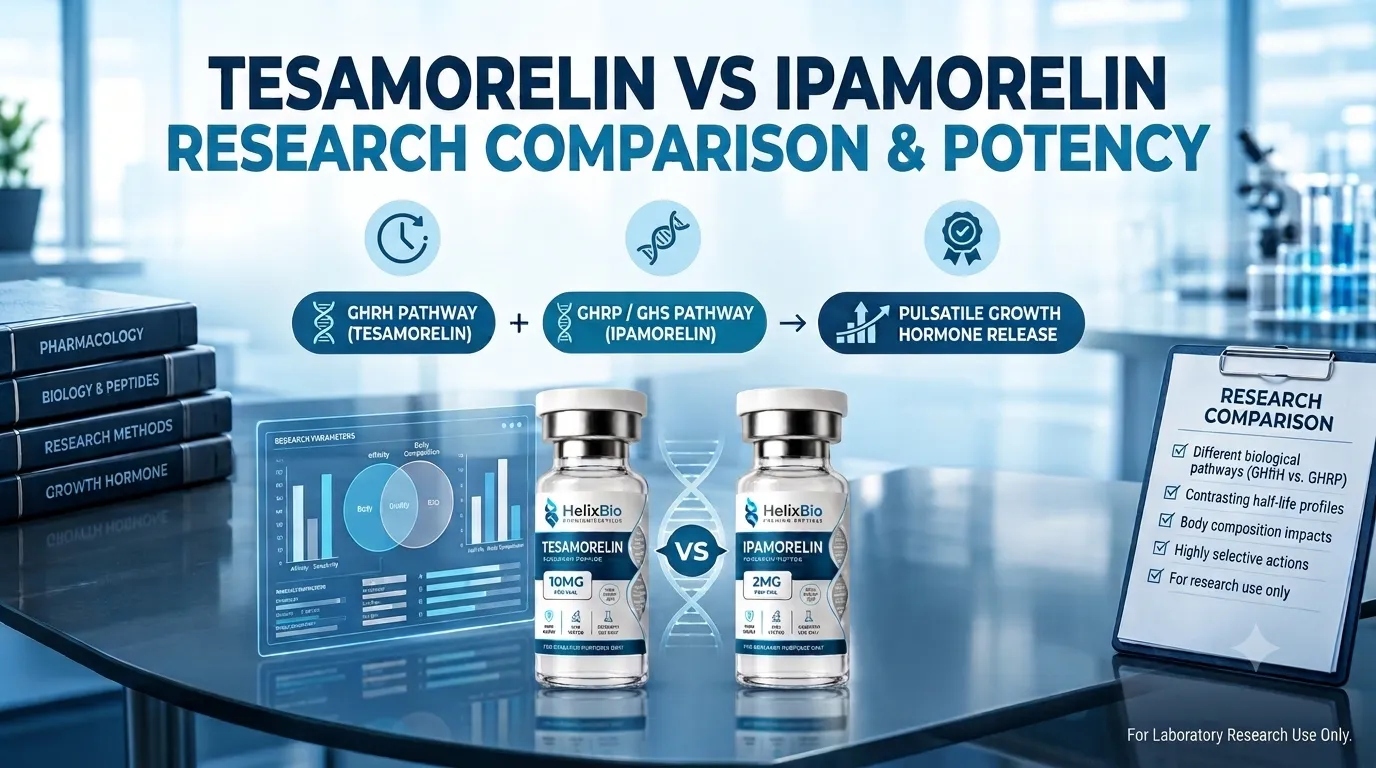
While CJC-1295 is highly effective, it is often compared to other GHRH analogs in research settings, notably Sermorelin and Tesamorelin.
- Sermorelin: The shortest naturally occurring sequence of GHRH (first 29 amino acids) that retains full receptor binding functionality. It has a very brief half-life (under 15 minutes) and is utilized in studies requiring strict adherence to natural biological half-lives without extended stimulation. The World Anti-Doping Agency (WADA) monitors sermorelin and other synthetic analogs closely, underscoring their potent physiological effects.
- Tesamorelin: Features a trans-3-hexenoic acid group attached to the N-terminus. It is highly resistant to dipeptidyl peptidase-4 (DPP-4) cleavage, giving it a longer half-life than Sermorelin but shorter than CJC-1295 with DAC. It is heavily researched for its unique ability to reduce visceral adipose tissue in lipodystrophy models.
The Synergistic Potential of CJC-1295 / Ipamorelin Blends
The rationale behind utilizing a combined CJC-1295 / Ipamorelin formulation lies in their complementary mechanisms. CJC-1295 acts on the GHRH receptor to increase the amount of GH released per pulse and elevate the baseline. Simultaneously, Ipamorelin acts on the GHSR to increase the frequency and strength of the pulses while inhibiting somatostatin (the hormone responsible for halting GH release).
In animal studies, this dual-receptor approach yields a far greater net increase in serum IGF-1 levels compared to administering either peptide in isolation. Researchers investigating cellular senescence, bone density recovery, and lean muscle accretion frequently utilize this blend to maximize anabolic pathways without exhausting the somatotroph cells.
All peptides discussed, including CJC-1295 and Ipamorelin, are intended strictly for in-vitro and laboratory research purposes. They are not approved for human consumption or therapeutic use.
Laboratory Handling and Reconstitution
Proper handling is critical to maintaining the structural integrity of these peptides.
- Storage: Lyophilized powder must be stored at -20°C for long-term stability. Once reconstituted, solutions should be kept refrigerated between 2°C and 8°C and used within 14-21 days.
- Reconstitution: Researchers typically reconstitute these peptides using bacteriostatic water or sterile saline. The solvent should be introduced slowly, allowing it to flow down the side of the vial to prevent mechanical shearing of the delicate peptide bonds.
- Handling: Avoid shaking the vial. Gentle swirling is recommended until the lyophilized puck is completely dissolved.
Regulatory Compliance and RUO Status
In the context of US laboratory regulations, CJC-1295, Ipamorelin, and other GHS compounds are classified as Research Use Only (RUO). This means they have not been evaluated or approved by the FDA for clinical diagnostics or therapeutic applications. Researchers must ensure that all procurement and utilization strictly align with institutional guidelines and federal regulations regarding RUO materials. Studies exploring the in vitro metabolism of these peptides, such as identifying 19 major in vitro metabolites of synthetic GHRH analogs, are crucial for advancing analytical detection methods.
By leveraging the unique properties of CJC-1295 and Ipamorelin, researchers continue to map the complex networks of the endocrine system, paving the way for future breakthroughs in metabolic science. For a broader comparison across the muscle-research peptide class, see our guide to the best peptides for muscle growth research.
Frequently Asked Questions
The Drug Affinity Complex (DAC) allows the peptide to bind to endogenous albumin, drastically extending its half-life from approximately 30 minutes to up to 8 days in research models.
Researchers combine them to leverage a synergistic mechanism; CJC-1295 increases the volume of GH released, while Ipamorelin increases pulse frequency and inhibits somatostatin.
Unlike earlier GHRPs, in-vivo research demonstrates that Ipamorelin is highly selective and does not significantly elevate ACTH, cortisol, or prolactin levels.
Following multiple doses in laboratory subjects, mean IGF-1 levels have been observed to remain elevated above baseline for up to 28 days.
CJC-1295 targets and binds to the Growth Hormone-Releasing Hormone (GHRH) receptors located on the somatotroph cells of the anterior pituitary gland.
Ipamorelin is an agonist of the ghrelin/growth hormone secretagogue receptor (GHSR).
In research models utilizing GHRH knockout mice, once-daily administration of CJC-1295 was shown to successfully normalize body weight and length.
No. CJC-1295 is strictly designated for Research Use Only (RUO) and is not approved by the FDA for human consumption or therapy.
Unreconstituted lyophilized powder should be stored in a freezer at or below -20°C to ensure maximum stability and shelf life.
Researchers standardly use sterile bacteriostatic water or sterile saline to reconstitute peptide vials prior to experimental administration.
Once reconstituted and stored properly in a refrigerator (2°C to 8°C), the peptide solution is generally stable for 14 to 21 days.
Yes, advanced liquid chromatography-tandem mass spectrometry methods have been developed to detect in vitro metabolites of synthetic GHRH analogs like CJC-1295 at limits of 1 ng/ml or less.
- 01Alba M, Fintini D, Sagazio A, et al. Once-daily administration of CJC-1295, a long-acting growth hormone-releasing hormone (GHRH) analog, normalizes growth in the GHRH knockout mouse.
- 02Igel M, et al. Prolonged stimulation of growth hormone (GH) and insulin-like growth factor I secretion by CJC-1295, a long-acting analog of GH-releasing hormone, in healthy adults.
- 03Drug Testing and Analysis. Advances in the detection of growth hormone releasing hormone synthetic analogs.
Helix Bio Chem Team
Research & Product Team
Our in-house team tracks published peptide research and translates it into clear, source-cited summaries for the research community.
Reviewed by in-house research chemists
support@helixbiochem.com