- IGF-1 LR3 is engineered to resist IGF binding proteins, allowing for potent, direct stimulation of myogenesis and satellite cell recruitment.
- CJC-1295 and Ipamorelin work synergistically to elevate systemic growth hormone and IGF-1 levels, driving whole-body protein synthesis.
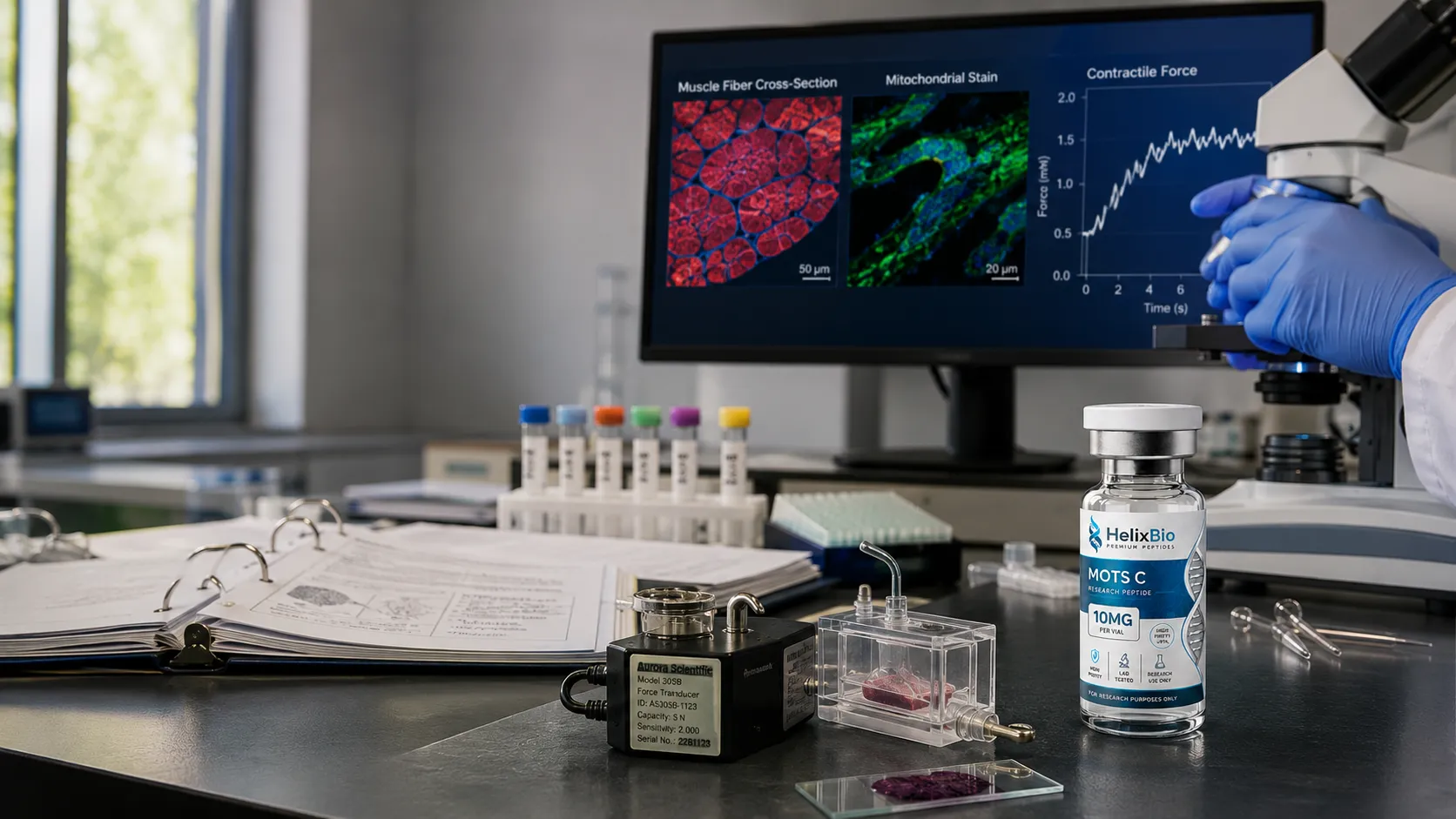
- MOTS-c is a mitochondrial-derived peptide that activates the AMPK pathway, mimicking exercise and improving cellular energy capacity.
- BPC-157 promotes angiogenesis and tissue healing by upregulating VEGF expression in damaged muscle models.
- TB-500 binds to actin, facilitating rapid cellular migration to sites of acute muscle injury for accelerated repair.
- Research suggests these peptides influence recovery physiology through systemic and localized pathways.
Investigating cellular hypertrophy, myogenesis, and tissue repair requires highly specialized molecular tools. In the realm of in vitro and preclinical studies, identifying the best peptides for muscle growth research is critical for developing models of muscle wasting, regenerative medicine, and metabolic optimization. Peptides offer researchers the ability to isolate specific biological pathways—from satellite cell proliferation to mitochondrial biogenesis—without the widespread systemic disruption caused by traditional anabolic steroids.
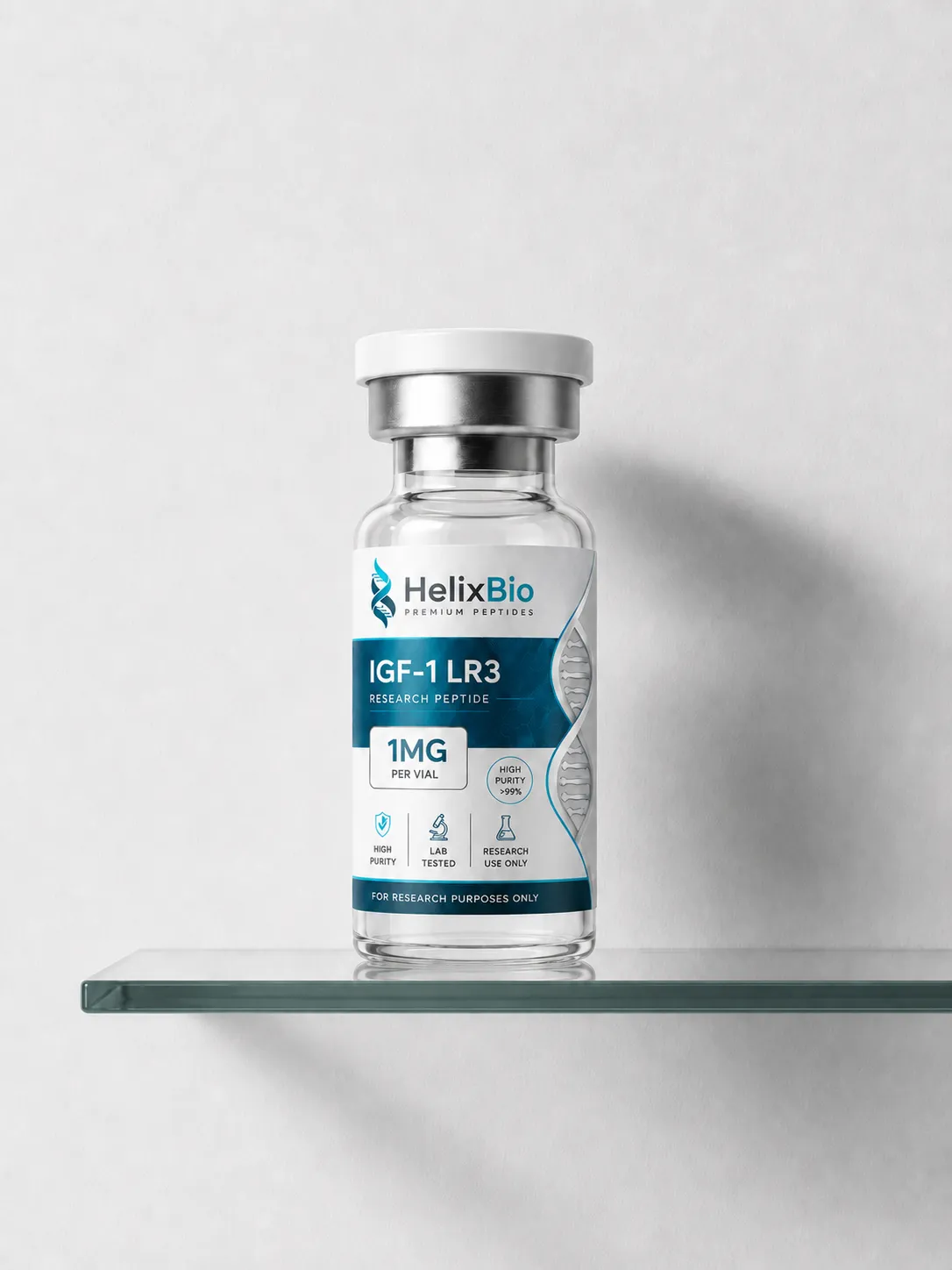
IGF-1 LR3
RESEARCH PEPTIDE
IGF-1 LR3 is a modified analog of insulin-like growth factor 1 (IGF-1) studied in laboratory research involving growth-factor signaling, receptor interactions, cell signaling, and peptide structure-function relationships. The name Long Arginine 3 IGF-1 refers to structural modifications that distinguish IGF-1 LR3 from native IGF-1. Helix Bio provides IGF-1 LR3 as a research-use-only material for qualified laboratory and non-clinical research. It is not intended for human consumption or self-administration.
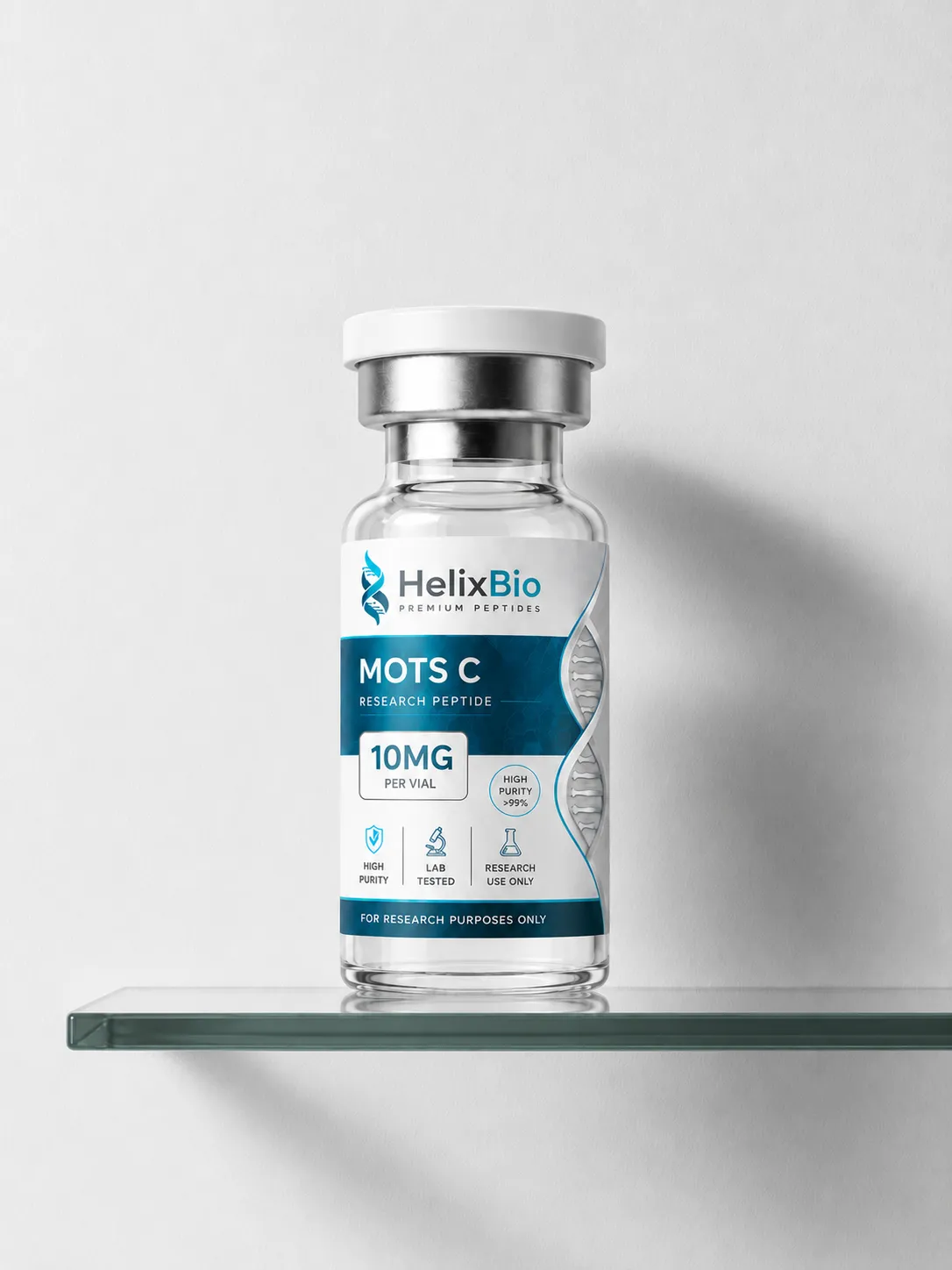
MOTS-C
RESEARCH PEPTIDE
MOTS-C is a mitochondrial-derived peptide (MDP) made up of 16 amino acids and encoded within a short open reading frame of the mitochondrial genome, rather than nuclear DNA. Since its identification, it has become one of the more closely studied peptides in mitochondrial biology, largely because it appears to act as a signaling molecule between mitochondria and the rest of the cell. Helix Bio supplies MOTS-C as a lyophilized research peptide, manufactured to a purity standard of 99% or higher and tested in-house before every batch ships. It is sold exclusively for laboratory research use by qualified professionals — not for human or animal use, and not for human consumption.
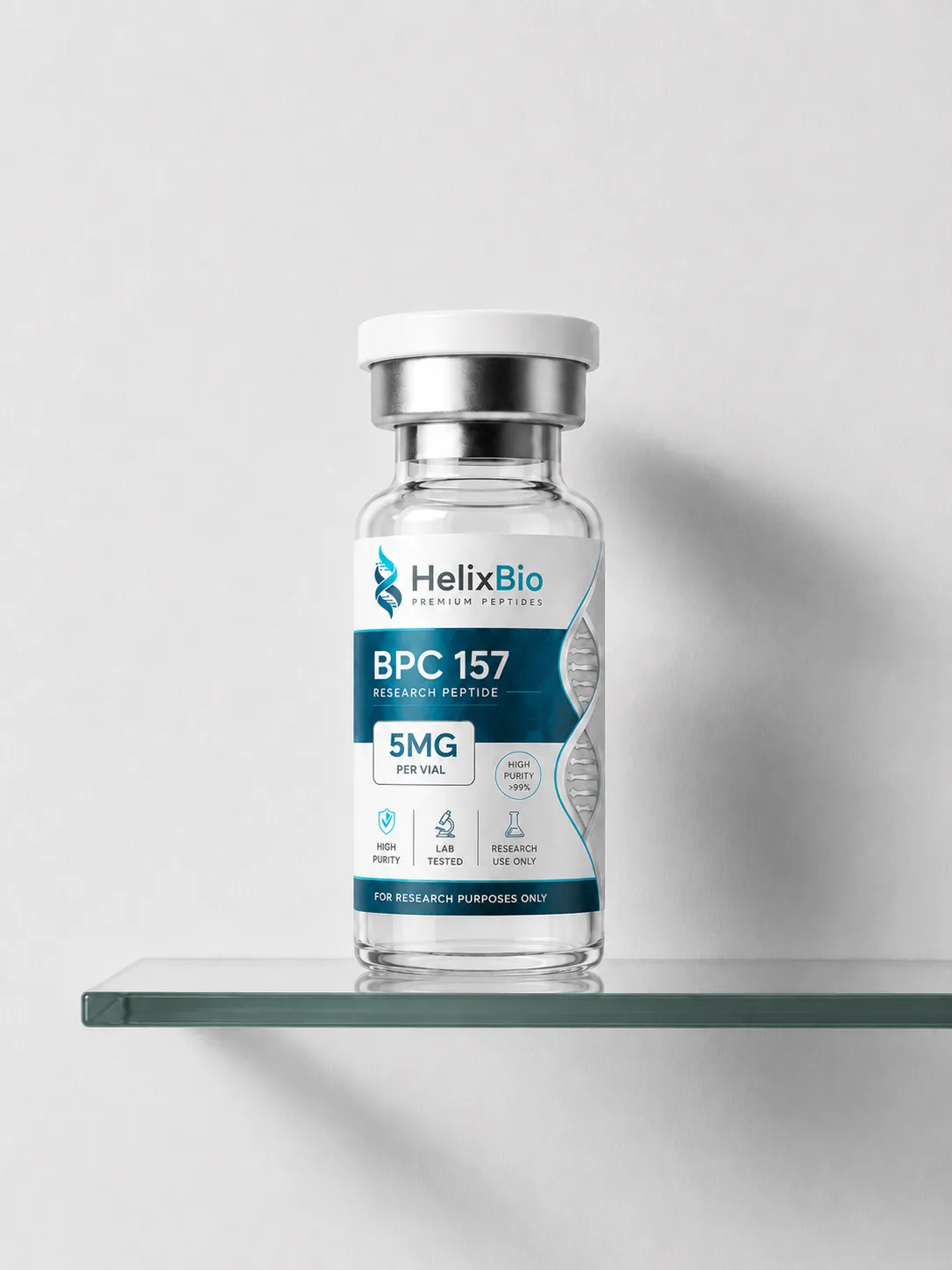
BPC-157
RESEARCH PEPTIDE
BPC-157 is a synthetic pentadecapeptide, a short chain of 15 amino acids derived from a protective protein found in gastric juice. It's one of the most widely studied research peptides in the biotech space, referenced across laboratory literature on tissue repair, angiogenesis, and gastrointestinal research models. Helix Bio's BPC-157 is manufactured for laboratory use, supplied as a lyophilized powder, and backed by a certificate of analysis for every batch. It's intended strictly for qualified researchers, laboratories, and academic institutions — not for human or animal use.
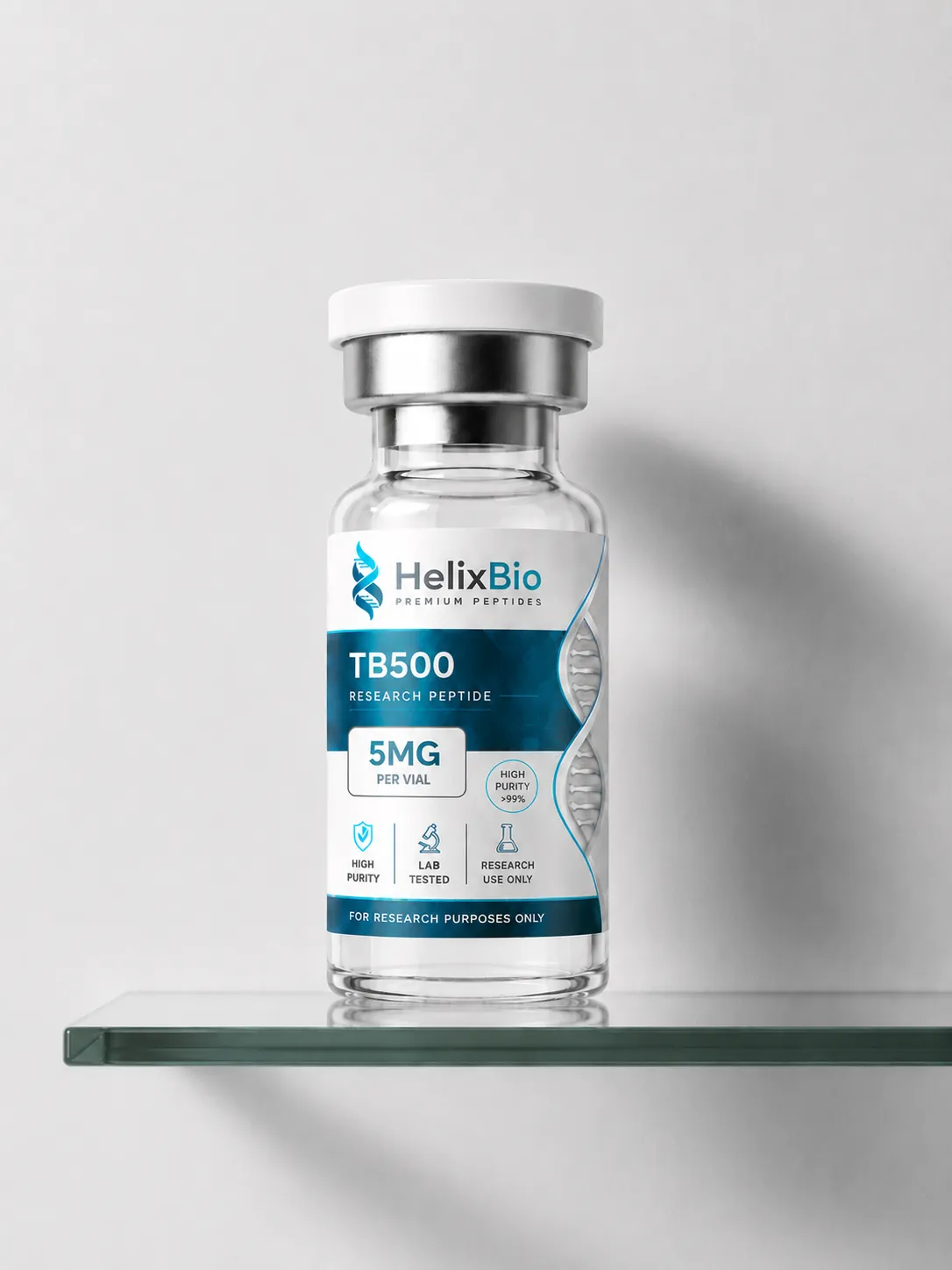
TB-500
RESEARCH PEPTIDE
TB-500 is a synthetic peptide fragment derived from Thymosin Beta-4, a naturally occurring protein involved in actin regulation within cells. It's one of the most referenced research peptides in laboratory literature on cell migration, angiogenesis, and tissue repair models. Helix Bio's TB-500 is manufactured for laboratory use, supplied as a lyophilized powder, and backed by a certificate of analysis for every batch. It's intended strictly for qualified researchers, laboratories, and academic institutions studying cellular repair mechanisms — not for human or animal use.
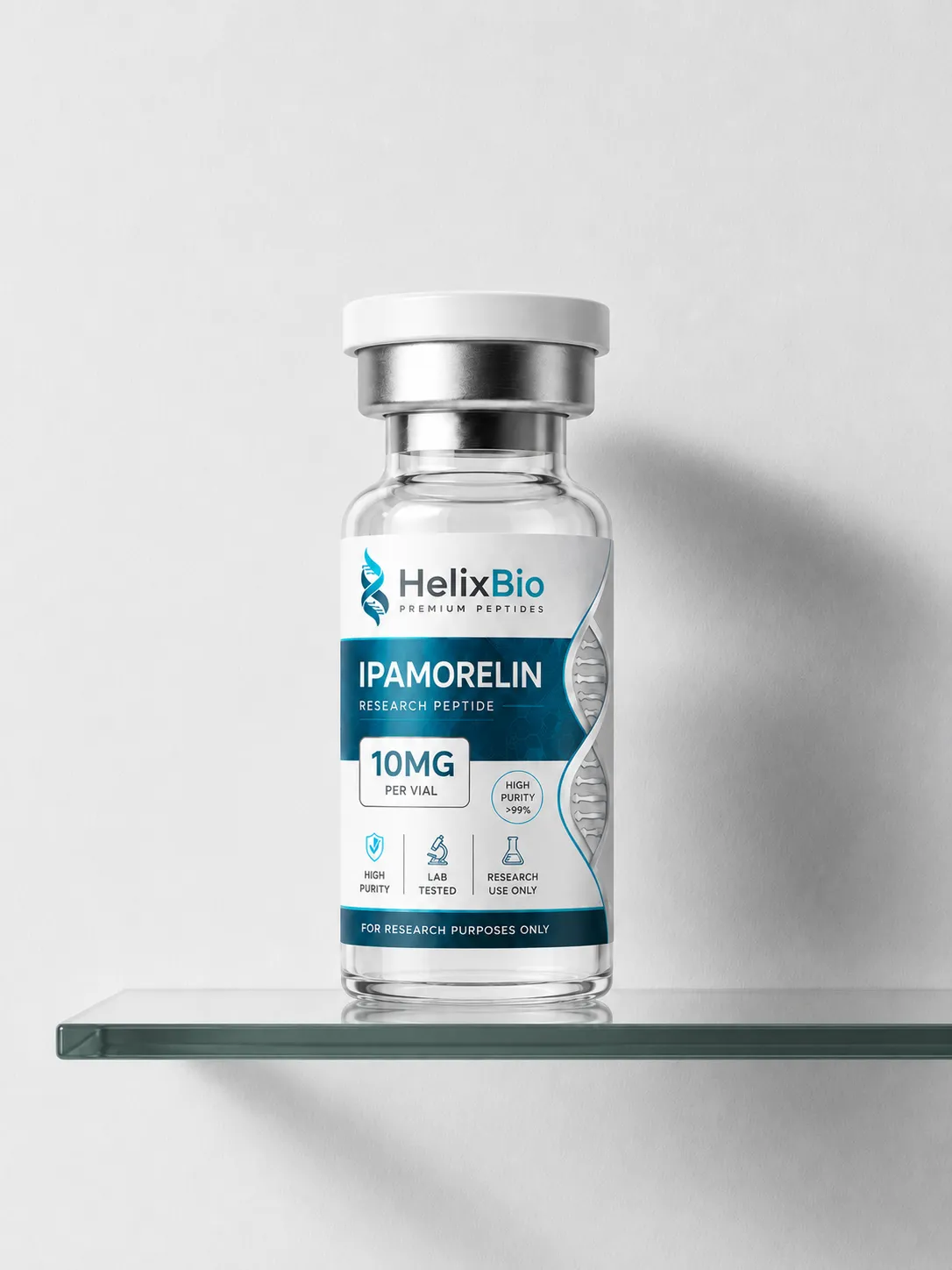
CJC-1295 / Ipamorelin
RESEARCH PEPTIDE
CJC-1295/Ipamorelin is a research peptide combination pairing a GHRH (growth hormone-releasing hormone) analog with a selective GHRP (growth hormone-releasing peptide). Researchers studying the growth hormone axis often work with this pairing because CJC-1295 and Ipamorelin act on two different receptor pathways that are frequently examined together in pulsatile secretion studies. Each vial from Helix Bio is synthesized to a high purity standard and verified before it ships, with a Certificate of Analysis available for every lot. This product is manufactured strictly for laboratory research and is not intended for human or animal use.
This guide compares the most prominent peptides utilized in muscle morphology research, examining their mechanisms of action, specific molecular targets, and applications in modern laboratory protocols.
Targeting the IGF-1 Receptor: IGF-1 LR3
At the forefront of muscle hypertrophy research is Insulin-like Growth Factor 1 (IGF-1). In endogenous physiology, IGF-1 is the primary mediator of growth hormone's anabolic effects. However, natural IGF-1 has a very short half-life and binds aggressively to IGF-binding proteins (IGFBPs), limiting its availability.
IGF-1 LR3 (Long Arg3 IGF-1) is a synthetic analog specifically engineered to overcome these limitations. It features an 83-amino-acid sequence with a substitution of Arginine for Glutamic Acid at position 3, along with a 13-amino-acid extension at the N-terminus. This structural modification dramatically reduces its affinity for IGFBPs, allowing more free peptide to bind directly to the IGF-1 receptor on muscle cells.
In cell culture studies, IGF-1 LR3 has demonstrated profound effects on myogenesis, triggering hyperplasic cellular division and increasing amino acid uptake into the cells. It is widely considered one of the most potent agents for studying localized muscle growth and satellite cell recruitment.
Optimizing Endogenous Growth Hormone: CJC-1295 / Ipamorelin
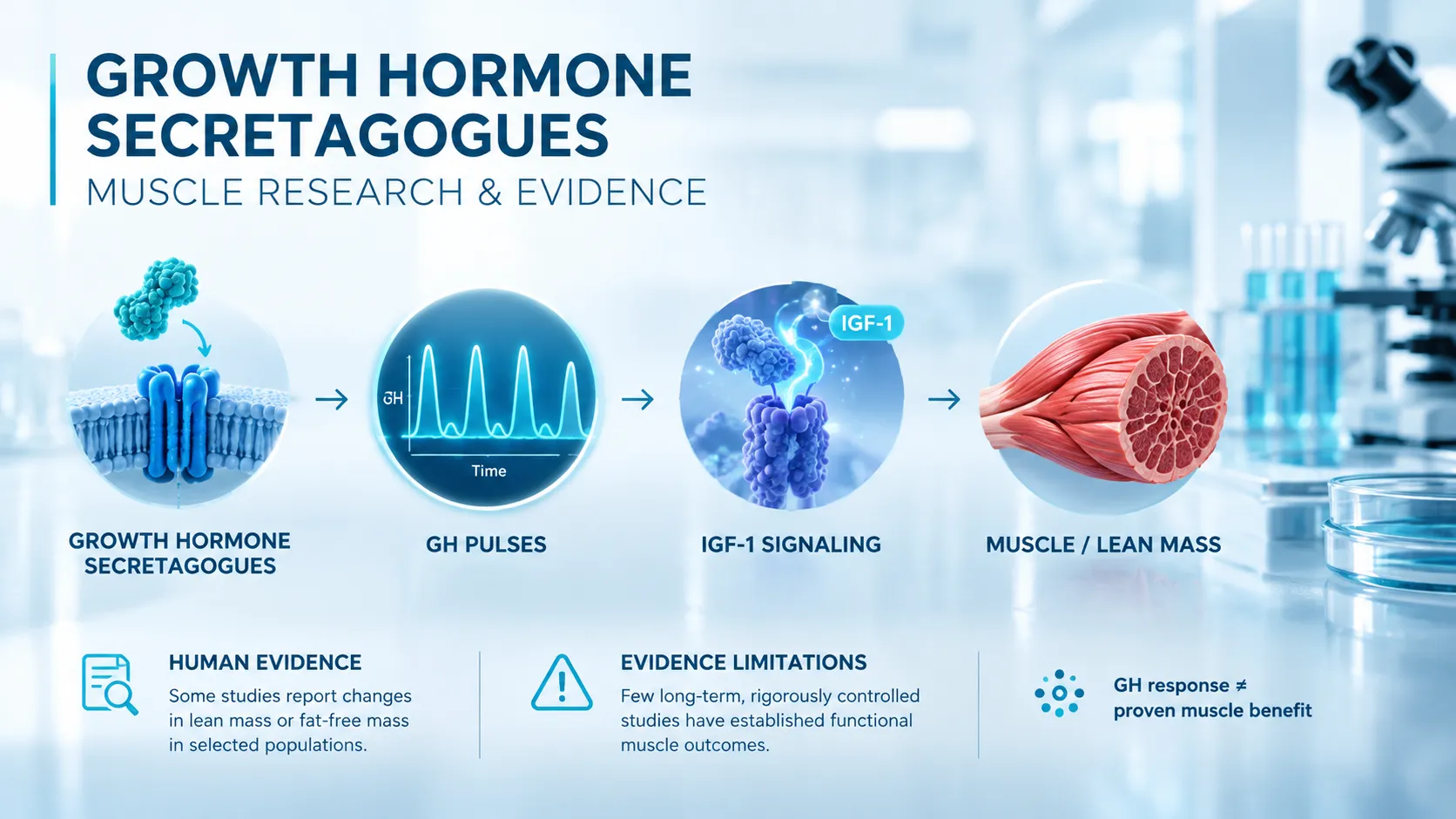
Rather than introducing exogenous growth factors, many research protocols focus on stimulating the body's endogenous production. The combination of CJC-1295 / Ipamorelin represents the gold standard in Growth Hormone Secretagogue (GHS) research. Growth hormone secretagogues, including CJC-1295 and ipamorelin, are frequently utilized in optimization settings as they influence recovery physiology through systemic endocrine pathways.
- Mechanism: CJC-1295 (a GHRH analog) and Ipamorelin (a GHSR agonist) work synergistically to maximize the amplitude and frequency of growth hormone pulses. Subcutaneous administration of CJC-1295 resulted in sustained, dose-dependent increases in GH and IGF-I levels in healthy adults, demonstrating safety and tolerability, particularly at doses of 30 or 60 microg/kg.
- Muscle Research Application: Elevated GH leads to increased hepatic production of IGF-1. In animal models, this systemic elevation enhances whole-body nitrogen retention, accelerates protein synthesis, and preserves lean body mass in catabolic states.
Mitochondrial Biogenesis: MOTS-C
Muscle growth is intimately tied to cellular energy capacity. MOTS-C (Mitochondrial Derived Peptide) is a revolutionary peptide encoded not by nuclear DNA, but by the mitochondrial genome.
Research indicates that MOTS-c functions as a mitochondrial booster, stabilizing glucose sensitivity, preventing weight gain, and optimizing muscle repair. By targeting skeletal muscle and upregulating the AMPK (AMP-activated protein kinase) pathway, MOTS-c mimics the metabolic effects of exercise. In murine models, investigators observe that MOTS-c administration increases lipid oxidation, improves insulin sensitivity, and enhances the endurance capacity of muscle fibers, making it vital for studies concerning metabolic syndrome and sarcopenia.
Tissue Repair and Angiogenesis: BPC-157 & TB-500
True muscle growth research must account for tissue repair and recovery following mechanical stress. Growth hormone secretagogues and IGF-1 analogs are frequently co-administered with BPC-157 or TB-500 in research protocols.
BPC-157
BPC-157 (Body Protection Compound 157) is a pentadecapeptide derived from human gastric juice. In research models, the Body Protective Complex peptide activates the healing of joints, digestive barriers, and muscle tissue. It strongly upregulates the expression of vascular endothelial growth factor (VEGF), promoting angiogenesis (the formation of new blood vessels) in damaged muscle and tendon tissues.
TB-500
TB-500, a synthetic fraction of Thymosin Beta-4, is renowned for its ability to regulate cellular motility. It binds to cellular actin, allowing muscle cells, fibroblasts, and endothelial cells to migrate rapidly to sites of injury. This accelerated cellular migration is crucial for studying acute muscle tear repair and fibrosis prevention.
Peptide | Primary Mechanism | Key Research Application |
|---|---|---|
IGF-1 LR3 | Direct IGF-1 receptor activation | Localized hyperplasia, satellite cell recruitment |
CJC/Ipamorelin | Systemic GH & IGF-1 elevation | Whole-body protein synthesis, lean mass preservation |
MOTS-c | AMPK activation | Metabolic efficiency, exercise mimicking, energy capacity |
BPC-157 | VEGF upregulation | Angiogenesis, tendon/muscle tear repair |
TB-500 | Actin binding/upregulation | Cellular migration, injury recovery |
In advanced experimental models, researchers often investigate the stacking of systemic secretagogues (like CJC/Ipamorelin) with localized repair agents (like BPC-157) to observe compounding effects on overall tissue regeneration metrics.
Laboratory Compliance
When exploring the best peptides for muscle growth research, strict adherence to handling protocols is mandatory. All compounds mentioned are categorized strictly as Research Use Only (RUO). They must be reconstituted with sterile bacteriostatic water, handled gently to avoid peptide bond shearing, and stored appropriately (refrigerated once reconstituted, frozen when lyophilized). Investigators must ensure their laboratory environments comply with all federal and institutional guidelines regarding RUO materials.
For a closer look at GHRH analog selection, see our comparison of Sermorelin vs Tesamorelin research.
Frequently Asked Questions
IGF-1 LR3 has a longer half-life and a reduced affinity for IGF binding proteins, meaning more of the peptide remains active to bind with muscle cell receptors.
They stimulate the anterior pituitary to release growth hormone, which in turn elevates systemic IGF-1 levels, enhancing protein synthesis and lean mass preservation in animal models.
MOTS-c targets the mitochondria and upregulates the AMPK pathway, which enhances cellular metabolism and lipid oxidation.
BPC-157 activates tissue healing by upregulating vascular endothelial growth factor (VEGF), which promotes the formation of new blood vessels in damaged muscle tissue.
TB-500 binds directly to cellular actin, which significantly increases cellular motility and allows repair cells to migrate quickly to injury sites.
Yes, many in-vitro protocols study the synergistic effects of systemic GH elevation (via secretagogues) combined with localized IGF-1 LR3 application.
No. All peptides discussed are designated strictly as Research Use Only (RUO) and are not approved for human consumption or bodybuilding.
Researchers typically administer these compounds via subcutaneous or intramuscular injections, depending on whether systemic or localized effects are being observed.
Research indicates that subcutaneous administration of CJC-1295 results in an estimated half-life of 5.8 to 8.1 days.
Yes, studies show that MOTS-c stabilizes glucose sensitivity and prevents weight gain by keeping the metabolic engine running efficiently.
They target different repair pathways; BPC-157 focuses on angiogenesis and blood flow, while TB-500 focuses on cellular migration and actin upregulation.
Lyophilized vials must be kept in a freezer (-20°C). Once reconstituted, they must be refrigerated (2°C - 8°C) and used within 14-21 days.
- 01The Peptide Blueprint: Achieving Optimal Health and Performance at Any Age.
- 02Igel M, et al. Prolonged stimulation of growth hormone (GH) and insulin-like growth factor I secretion by CJC-1295, a long-acting analog of GH-releasing hormone, in healthy adults.
- 03Rahman et al. 2026. Prolonged Stimulation of Growth Hormone (GH) and Insulin-Like Growth Factor I Secretion by CJC-1295, a Long-Acting Analog of GH-Releasing Hormone, in Healthy Adults.
Helix Bio Chem Team
Research & Product Team
Our in-house team tracks published peptide research and translates it into clear, source-cited summaries for the research community.
Reviewed by in-house research chemists
support@helixbiochem.com