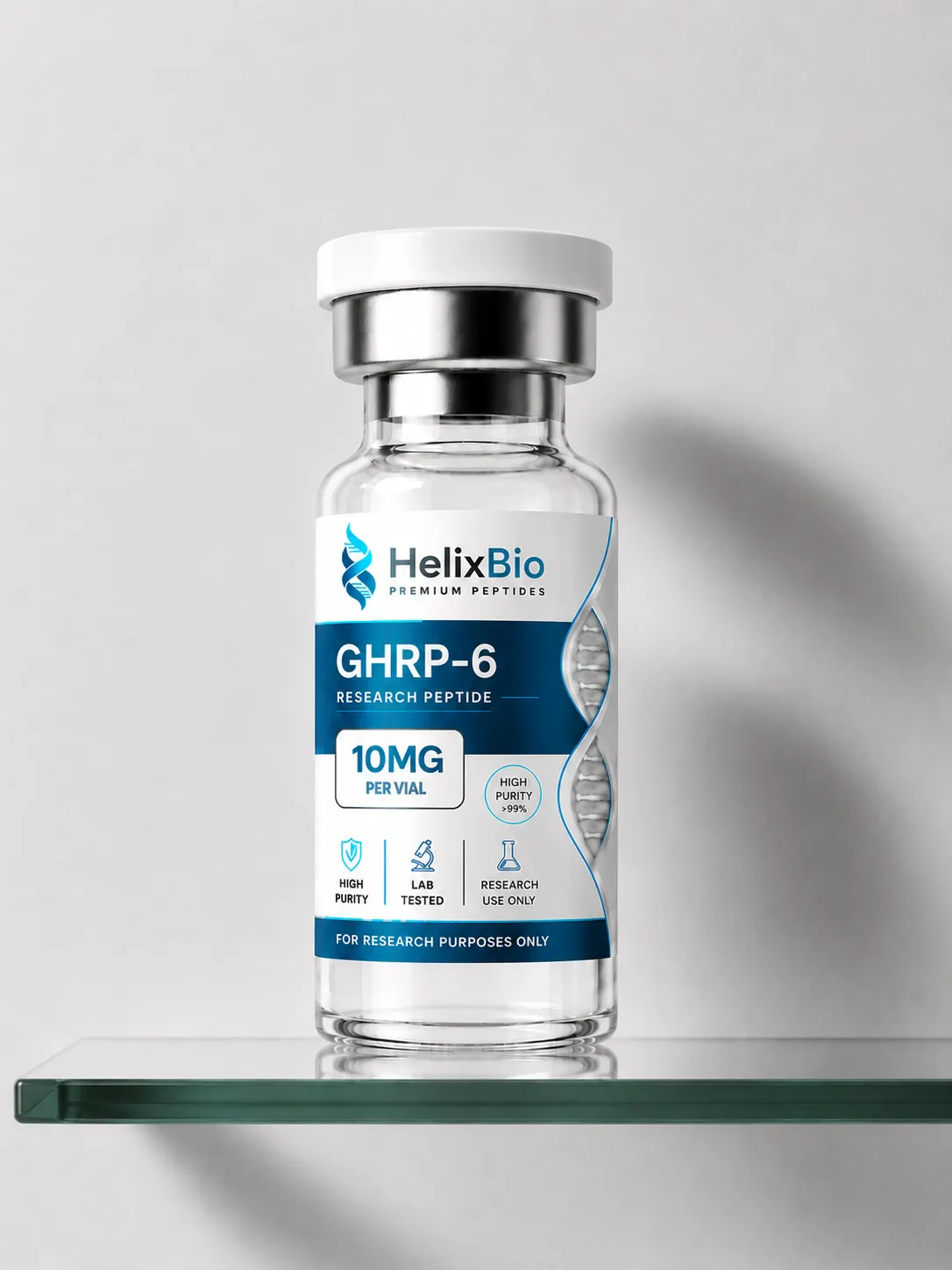
GHRP-6 is a synthetic hexapeptide and growth hormone secretagogue studied in laboratory research involving ghrelin receptor signaling, receptor pharmacology, growth hormone pathways, and appetite-related signaling. Research literature identifies GHRP-6 as an agonist of the ghrelin receptor (GHS-R), making it a useful research compound for studying peptide-receptor interactions and related biological pathways. Helix Bio offers GHRP-6 as a research-use-only peptide for laboratory and non-clinical research. It is not intended for human consumption, diagnosis, treatment, or prevention of any disease or condition.
HPLC certified
Independent analysis
Highest standard
Full traceability
GHRP-6, or Growth Hormone-Releasing Peptide-6, is a synthetic peptide consisting of six amino acids. It is classified within the growth hormone-releasing peptide family and has been extensively investigated as a research tool for understanding growth hormone secretagogue activity and ghrelin receptor pharmacology.
Research has identified GHRP-6 as a synthetic peptidic agonist that binds to the ghrelin receptor. Structural research has also examined how GHRP-6 occupies the receptor's orthosteric ligand-binding site and contributes to receptor activation.
Relevant research areas for GHRP-6 include:
One of the key reasons GHRP-6 is studied is its relationship with the ghrelin receptor, also known as the growth hormone secretagogue receptor (GHS-R). Research using structural and functional approaches has shown that GHRP-6 binds within the ghrelin receptor's orthosteric ligand-binding pocket, and studies have examined specific peptide residues and receptor interactions involved in receptor activation.
This makes GHRP-6 relevant to laboratory investigations of:
Appetite-related signaling is another important research angle for GHRP-6, understood as a research subject rather than a therapeutic claim. Laboratory studies can use GHRP-6 to investigate relationships between ghrelin receptor signaling, appetite-related pathways, and other biological processes.
GHRP-6 may be relevant to laboratory research involving:
GHRP-2, Ipamorelin, Hexarelin, Sermorelin, CJC-1295, Tesamorelin, MK-677, and IGF-1 LR3 are related compounds that may be relevant for comparative or adjacent research.
GHRP-6 has a well-established place in research examining growth hormone secretagogue activity and ghrelin receptor pharmacology. Its defined peptide structure and documented receptor interactions make it relevant to controlled laboratory investigations.
For researchers evaluating a GHRP-6 supplier, product identity and documentation are important considerations, including HPLC purity testing, mass spectrometry verification, batch-specific testing, Certificate of Analysis documentation, and transparent sourcing. Researchers should evaluate the documentation actually provided for the specific batch rather than relying solely on a general purity statement.
GHRP-6 is not intended for human consumption, self-administration, diagnosis, treatment, or prevention of disease.
| Field | Detail |
|---|---|
| Product Name | GHRP-6 |
| Category | Research Peptide |
| Type | Synthetic hexapeptide |
| Research Classification | Research use only |
| Research Focus | Ghrelin receptor and growth hormone secretagogue research |
| Research Areas | Peptide chemistry, receptor pharmacology, endocrinology research |
| Physical Form | Lyophilized powder |
| Purity | Batch-verified — see current lot's Certificate of Analysis for the exact figure |
| Packaging | Sealed research vial, tamper-evident packaging |
| Batch Testing | Verified per current batch documentation |
| Certificate of Analysis | Available for the specific product batch |
| Manufacturer | Helix Bio |
| Country/Market | United States market |
GHRP-6 is particularly relevant to studies involving the ghrelin receptor, a G-protein-coupled receptor involved in ghrelin signaling. Structural research has directly investigated GHRP-6 bound to the ghrelin receptor and examined the molecular interactions associated with receptor activation.
GHRP-6 is a reference compound in research examining growth hormone secretagogue activity. Earlier research characterized GHRP-6 as a synthetic hexapeptide capable of influencing growth hormone release through a receptor system distinct from the classical GHRH receptor pathway.
GHRP-6 can serve as a research tool for studying:
Ghrelin signaling is strongly associated with appetite regulation, and GHRP-6 has been used in research examining the relationship between ghrelin-receptor signaling and appetite-related biological pathways.
For research-grade GHRP-6, analytical verification is an important part of evaluating product quality.
High-Performance Liquid Chromatography (HPLC) can be used to assess peptide purity by separating components within a sample and evaluating the resulting chromatographic profile.
Mass spectrometry can provide information relevant to molecular mass and compound identity. When used alongside chromatographic analysis, it can strengthen analytical characterization.
A Certificate of Analysis (CoA) can provide batch-specific information about a research material. Researchers evaluating a GHRP-6 supplier should look for documentation that clearly identifies the tested material and relevant analytical results. HPLC-verified GHRP-6, batch-specific CoAs, and laboratory testing documentation are important trust signals for this product category.
Helix Bio only publishes claims about third-party testing, specific laboratories, certifications, purity percentages, or CoA availability when those claims can be supported by current documentation.
Lyophilized peptide storage, stability, reconstitution, and handling details should be taken from the current Helix Bio product documentation rather than estimated.
GHRP-6 is positioned for the United States research market, with domestic shipping, vial packaging, and shipping documentation. Current shipping timeframes, packaging specifications, payment methods, return policies, and international availability should be confirmed from Helix Bio's current policies before ordering.
For laboratory research use only — not for human consumption. GHRP-6 is supplied solely as a research material for qualified laboratory and scientific applications. It is not intended to diagnose, treat, cure, mitigate, or prevent any disease or medical condition. It is not a dietary supplement, food product, or product intended for human use. Researchers are responsible for complying with applicable federal, state, local, institutional, and laboratory requirements governing the acquisition, handling, storage, and use of research materials.
Knowledge Base
Knowledge Base
Knowledge Base
Knowledge Base
Knowledge Base
Knowledge Base
Knowledge Base
Knowledge Base
Knowledge Base
Knowledge Base
Knowledge Base
Knowledge Base
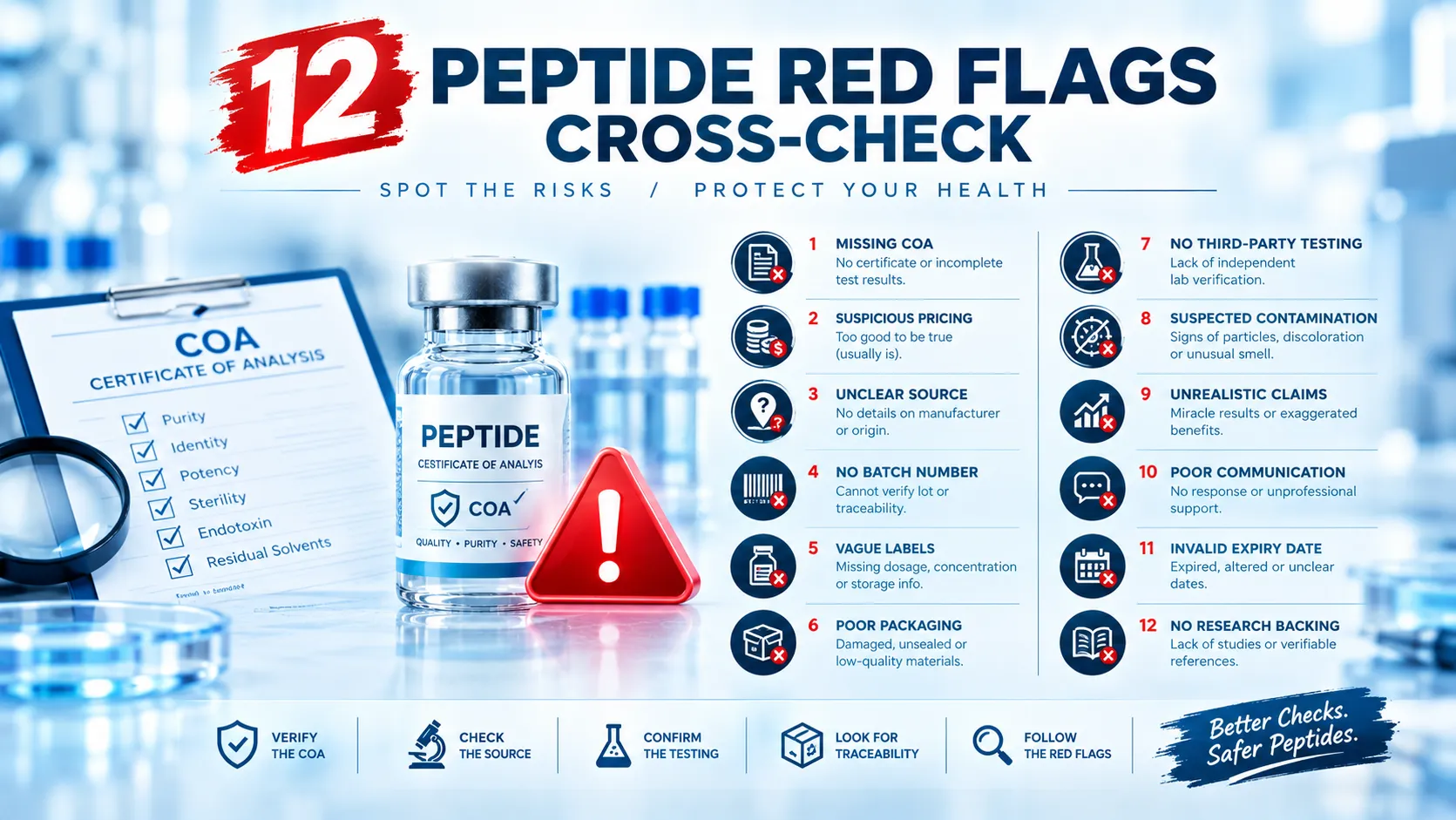
Check a peptide COA against the vial label, the issuing lab's own record, and supplier claims. 12 red flags, what to request, and what stays uncertain.
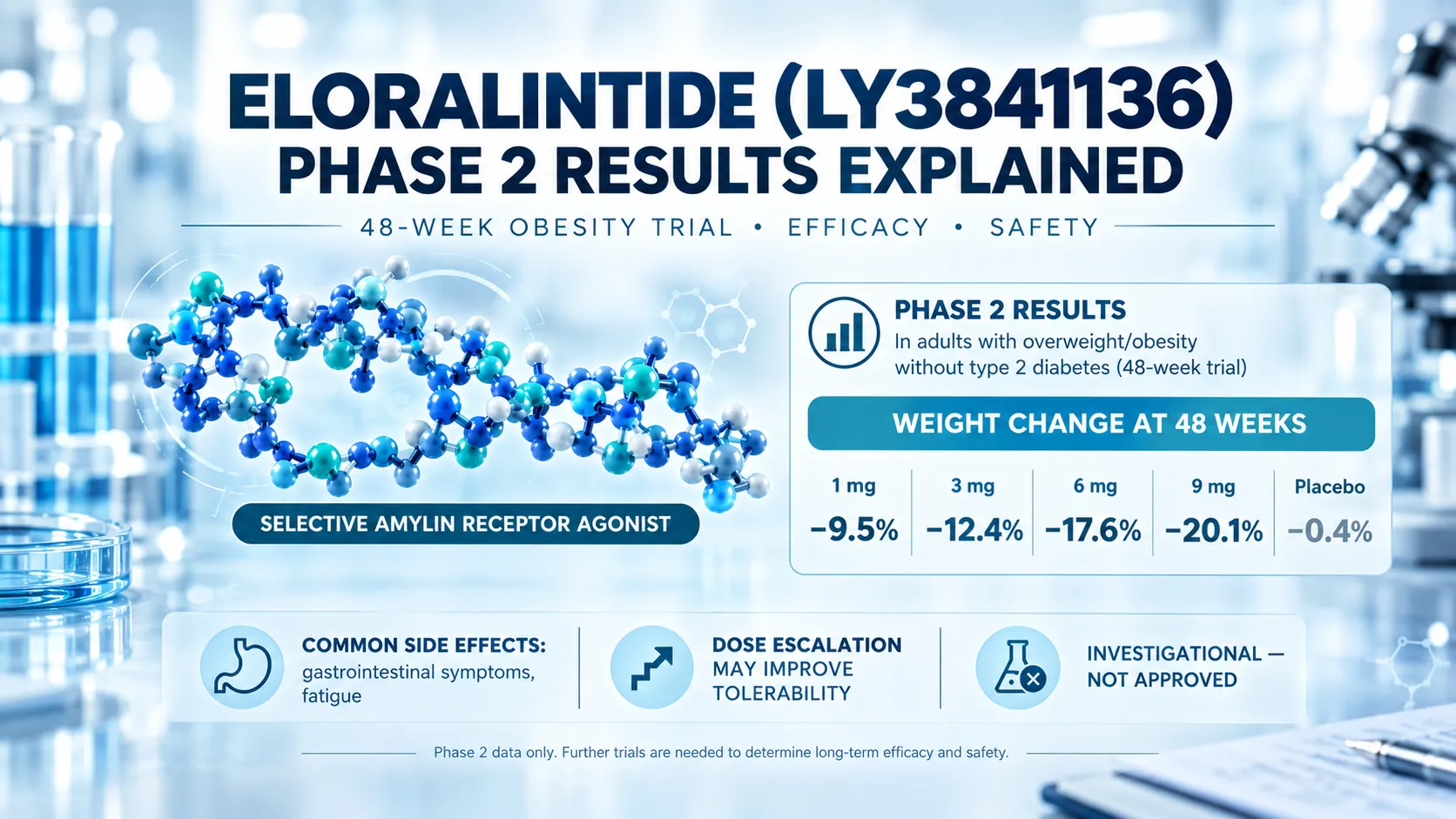
Eloralintide (LY3841136) research explained: AMY1R mechanism, Phase 1/2 trial data, safety signals, EloraTZP combination evidence, and current FDA status.
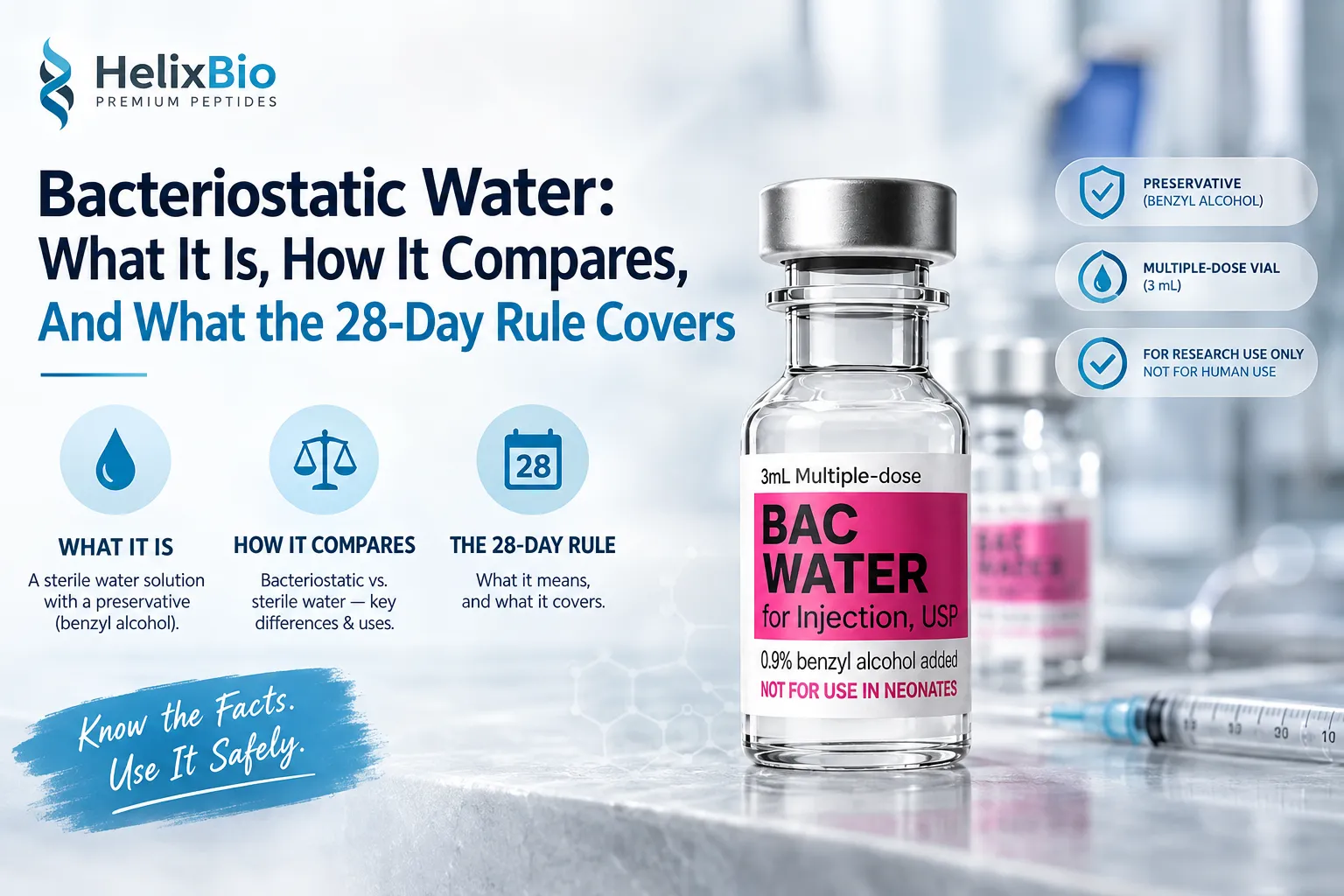
What bacteriostatic water contains, how it differs from sterile water and saline, where the 28-day opened-vial figure comes from, and what a COA can show.