- GHK-Cu is a naturally occurring copper tripeptide first isolated from human plasma in 1973, demonstrating effects on collagen synthesis, angiogenesis, and inflammation in laboratory models.
- The peptide modulates over 4,000 human genes through dual mechanisms: copper ion delivery to metalloenzymes and direct peptide signaling via cell surface receptors.
- In vitro research uses GHK-Cu concentrations from 10⁻¹² M (picomolar) to 1 μM (micromolar), with collagen synthesis maximally stimulated at 10⁻⁹ M.
- Topical GHK-Cu has decades of human cosmetic research, while injectable administration lacks human randomized controlled trials and remains empirically dosed.
- GHK-Cu activates the Wnt/β-catenin pathway in dermal papilla cells, promoting hair follicle proliferation and anagen phase extension in research models.
- Lyophilized GHK-Cu remains stable for 18 to 24 months at -20°C, while reconstituted solution should be used within 14 to 30 days when refrigerated at 2 to 8°C.
- Research-grade GHK-Cu should achieve ≥98% to ≥99% purity by HPLC with mass spectrometry confirmation of molecular weight (~404.9 Da for copper-bound form).
- GHK-Cu is supplied exclusively for laboratory and investigative purposes, not approved for human consumption or therapeutic applications.
GHK-Cu (glycyl-L-histidyl-L-lysine copper complex) has emerged as one of the most extensively studied copper peptides in dermatological and tissue regeneration research. This naturally occurring tripeptide, first isolated from human plasma by biochemist Loren Pickart in 1973, demonstrates remarkable capacity to modulate extracellular matrix synthesis, angiogenesis, and inflammatory signaling in laboratory models.
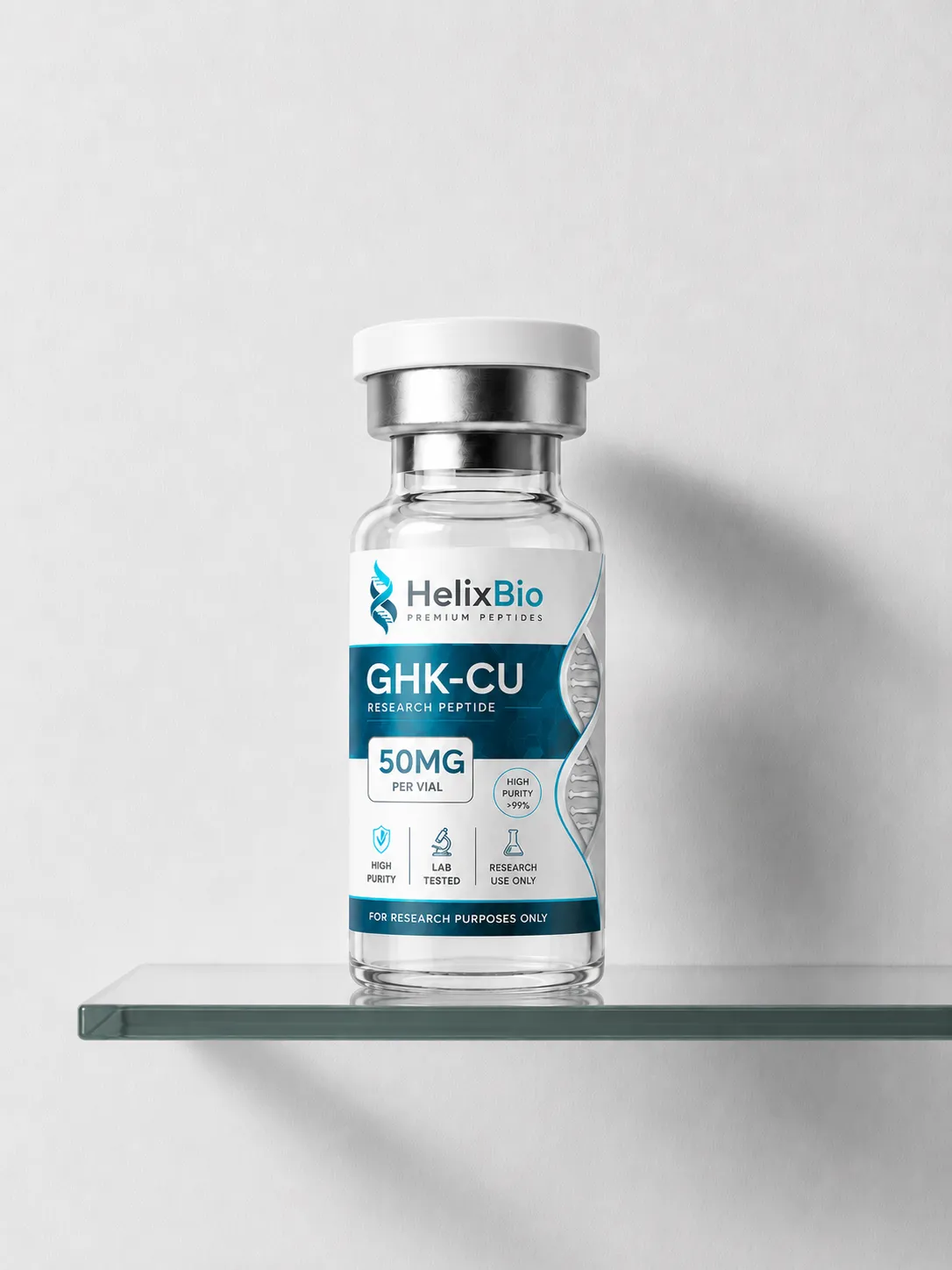
GHK-CU
RESEARCH PEPTIDE
GHK-CU (Glycyl-L-Histidyl-L-Lysine Copper) is a naturally occurring copper-binding tripeptide that has become one of the most extensively studied peptides in regenerative biology, extracellular matrix research, peptide chemistry, and cellular signaling. Researchers investigate GHK-CU in laboratory settings to better understand its interactions with biological pathways involved in tissue remodeling, cellular communication, protein regulation, and copper metabolism. Helix Bio supplies research-grade GHK-CU exclusively for laboratory, analytical, and educational research. This product is supplied strictly for research use only and is not intended for human consumption, veterinary use, therapeutic applications, or diagnostic procedures.
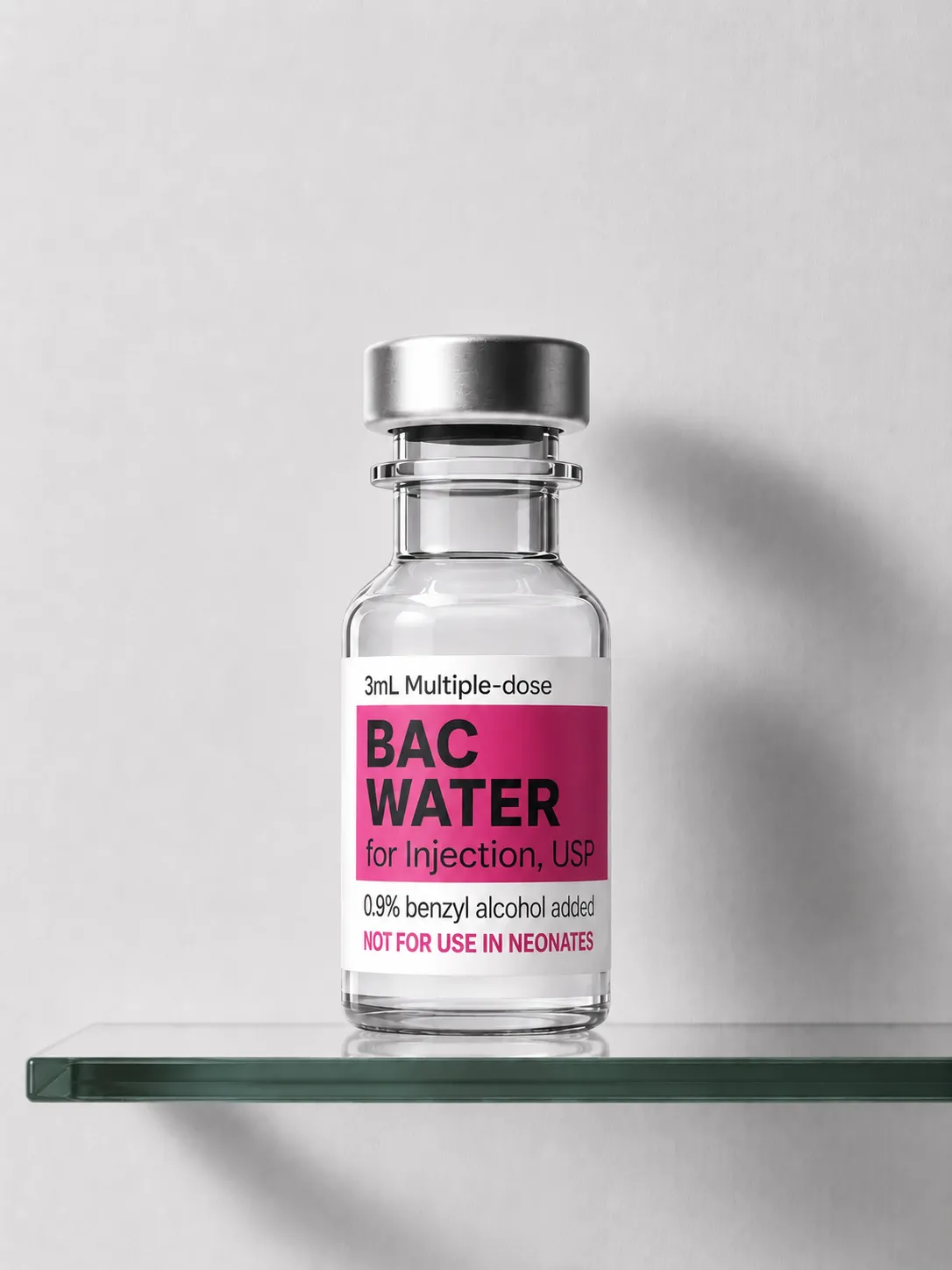
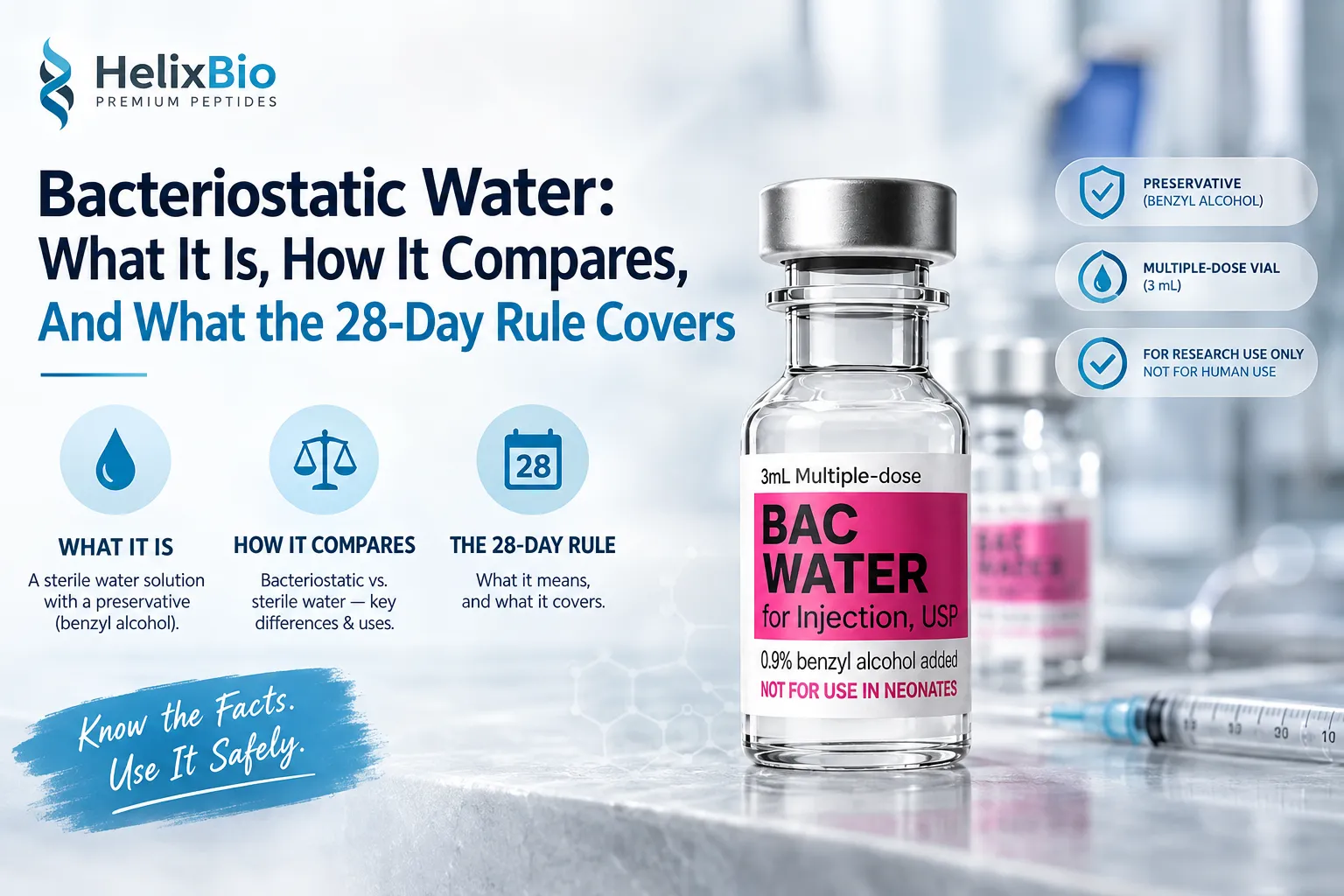
BAC Water
LABORATORY SOLVENT
BAC Water, also known as Bacteriostatic Water, is a sterile, non-pyrogenic solution commonly used in laboratory environments for the reconstitution and dilution of research peptides and other compatible research compounds. It contains Water for Injection with 0.9% benzyl alcohol as a preservative to help inhibit bacterial growth after the vial has been opened. Helix Bio supplies research-grade BAC Water exclusively for laboratory, analytical, and educational research applications. This product is intended for research use only and is not intended for human or veterinary use.
Researchers across dermatology, wound healing, and hair biology are investigating GHK-Cu's multi-pathway mechanisms, which include copper ion delivery to metalloenzymes, fibroblast activation, and gene expression modulation affecting over 4,000 human genes. Understanding proper laboratory handling, reconstitution protocols, and research dosage ranges is critical for generating reproducible experimental data.
This comprehensive guide examines GHK-Cu's research applications in skin regeneration, hair follicle studies, and tissue repair models, with detailed attention to laboratory dosing parameters, stability considerations, and methodological best practices for in vitro and in vivo investigations.
GHK-Cu Molecular Structure and Biological Mechanisms
GHK-Cu consists of three amino acids (glycine, histidine, and lysine) bound to a copper(II) ion with high affinity. The copper-binding site on GHK shares structural similarity with albumin's copper transport domain, enabling efficient cellular uptake and tissue distribution in biological systems.
The peptide's biological activity stems from two complementary mechanisms: copper ion delivery to copper-dependent enzymes and direct peptide signaling through cell surface receptors. Copper serves as an essential cofactor for lysyl oxidase (collagen and elastin crosslinking), superoxide dismutase (antioxidant defense), and tyrosinase (melanin synthesis), while the peptide moiety activates specific transcriptional pathways independent of copper transport.
Primary Research Mechanisms
GHK-Cu modulates multiple cellular pathways relevant to tissue remodeling and regeneration:
- Collagen and extracellular matrix synthesis. GHK-Cu stimulates fibroblast production of type I collagen, elastin, proteoglycans, and glycosaminoglycans at concentrations as low as 10⁻¹² M (picomolar range).
- Angiogenesis promotion. The peptide upregulates vascular endothelial growth factor (VEGF), fibroblast growth factor 2 (FGF-2), and platelet-derived growth factor (PDGF), facilitating new blood vessel formation in wound healing models.
- Anti-inflammatory signaling. GHK-Cu suppresses NF-κB activation, reduces TNF-alpha-induced IL-6 secretion, and decreases pro-inflammatory cytokine production in macrophage and keratinocyte cultures.
- Metalloproteinase regulation. The peptide modulates matrix metalloproteinase (MMP) activity and tissue inhibitor of metalloproteinase (TIMP) expression, balancing ECM degradation with synthesis during tissue remodeling.
- Wnt/β-catenin pathway activation. In dermal papilla cells, GHK-Cu activates canonical Wnt signaling, stabilizing β-catenin and promoting transcription of hair follicle growth-associated genes.
- Antioxidant enzyme elevation. Research models demonstrate increased superoxide dismutase, catalase, and glutathione peroxidase activity following GHK-Cu exposure, reducing oxidative stress in damaged tissues.
GHK-Cu's concentration-dependent effects are critical for experimental design. Picomolar to nanomolar concentrations (10⁻¹² to 10⁻⁹ M) typically stimulate collagen synthesis and cell proliferation, while micromolar concentrations may inhibit MMP activity and shift toward anti-inflammatory effects.
GHK-Cu Research Applications in Skin Regeneration Studies
Dermatological research represents the most extensively documented application area for GHK-Cu, with over five decades of in vitro, ex vivo, and in vivo investigations examining its effects on skin structure, wound healing, and photoaging.
Collagen Synthesis and Dermal Matrix Remodeling
The foundational work by Maquart et al. (1988) demonstrated that GHK-Cu increases collagen, elastin, and glycosaminoglycan synthesis in cultured human fibroblasts at concentrations beginning at 10⁻¹² M, with maximal effects observed at 10⁻⁹ M. This concentration-dependent response has been replicated across multiple cell lines and experimental conditions.
In vivo rodent wound chamber models showed that subcutaneous GHK-Cu administration produced concentration-dependent increases in wound dry weight, DNA content, total protein, collagen, and glycosaminoglycan accumulation. Collagen synthesis stimulation reached approximately twice the rate of non-collagen protein synthesis, indicating selective extracellular matrix enhancement.
Topical vs Injectable Route Research
A critical methodological consideration in GHK-Cu research involves the route of administration. Topical application has decades of clinical data in cosmetic formulations, while injectable (subcutaneous or intradermal) administration remains primarily empirical with limited human trial evidence.
Research Parameter | Topical Application | Injectable (Subcutaneous) |
|---|---|---|
Primary evidence base | Human cosmetic RCTs, controlled studies (Leyden, Finkley) | Rodent wound chamber models, in vitro studies |
Typical research concentration | 0.05–2% in serums/creams (0.5–20 mg/mL) | 1–2 mg per administration (community-reported) |
Penetration mechanism | Stratum corneum diffusion, epidermal depot formation | Direct dermal delivery, systemic distribution |
Best-supported applications | Fine lines, skin density, texture improvement | Wound healing, tissue repair, angiogenesis |
Confidence level | Moderate (multiple human studies) | Low (mechanistic inference, no direct human RCTs) |
Topical GHK-Cu operates through localized fibroblast stimulation in the epidermis and upper dermis, with the peptide accumulating as a depot in superficial skin layers. Injectable administration bypasses the stratum corneum barrier, potentially reaching deeper dermal concentrations, but no published human randomized controlled trial directly compares topical versus injectable routes for any endpoint.
Photoaging and UV Damage Protection
Research indicates GHK-Cu may protect against UV-induced skin damage through multiple mechanisms. The peptide reduces UVB-induced cyclooxygenase-2 (COX-2) expression, decreases prostaglandin E2 production, and inhibits UV-triggered matrix metalloproteinase activation in keratinocyte and fibroblast cultures.
In ex vivo human skin models, GHK-Cu treatment improved fibroblast recovery following X-ray exposure and reduced markers of oxidative stress and inflammation. These findings suggest potential applications in photoprotection research, though clinical translation requires further investigation.
GHK-Cu in Hair Follicle and Alopecia Research
Hair biology represents an emerging application area for GHK-Cu research, with mechanistic studies demonstrating effects on dermal papilla cell proliferation, hair follicle cycling, and androgenetic alopecia models.
Wnt Pathway Activation in Dermal Papilla Cells
The canonical Wnt/β-catenin pathway serves as a critical regulator of hair follicle development, cycling, and regeneration. GHK-Cu activates this pathway in cultured human dermal papilla cells, leading to β-catenin stabilization and transcription of downstream targets including cyclin D1, c-Myc, and other proliferation-associated genes.
Published research demonstrates that GHK-Cu exposure increases dermal papilla cell proliferation, upregulates VEGF and IGF-1 expression, and enhances alkaline phosphatase activity—a marker of follicle inductivity. These effects occur at concentrations ranging from 10 nM to 1 μM, consistent with the peptide's activity range in other cell types.
Hair Follicle Size and Growth Phase Modulation
In vivo studies report that GHK-Cu increases hair follicle size and extends the anagen (growth) phase of the hair cycle. Pickart and colleagues documented enlarged follicle diameter and prolonged anagen duration in animal models, effects attributed to enhanced fibroblast growth factor 2 (FGF-2) and vascular endothelial growth factor (VEGF) expression in the follicular microenvironment.
A 2025 Phase II trial at Seoul National University investigated subcutaneous microdosing of GHK-Cu at the vertex scalp in androgenetic alopecia patients. The study reported a 22% improvement in non-vellus hair count at 20 weeks, though peer-reviewed publication details remain limited.
No published human randomized controlled trial has directly compared GHK-Cu to minoxidil or finasteride for androgenetic alopecia. Claims of superiority remain mechanistically inferred rather than clinically proven.
Comparative Research with Other Hair Loss Compounds
GHK-Cu is frequently studied alongside other peptides with hair growth potential, including TB-500 (thymosin beta-4 fragment) and various growth factors. For a deeper comparison of GHK-Cu alongside BPC-157 and TB-500 in tissue-repair protocols, see our guide on tissue repair synergy. While TB-500 primarily targets angiogenesis and cell migration, GHK-Cu's dual mechanism of copper delivery and Wnt pathway activation provides complementary effects in follicle regeneration models.
Tissue Repair and Wound Healing Research Models
Wound healing represents the most extensively documented research application for GHK-Cu, with studies spanning skin wounds, bone repair, gastrointestinal mucosal healing, and nerve regeneration.
Multi-Phase Wound Healing Modulation
Wound healing proceeds through overlapping phases: hemostasis, inflammation, proliferation, and remodeling. GHK-Cu influences each phase through distinct mechanisms:
Inflammatory phase: GHK-Cu reduces pro-inflammatory cytokine production (TNF-alpha, IL-6), suppresses NF-κB activation, and decreases oxidative stress through antioxidant enzyme upregulation.
Proliferative phase: The peptide stimulates fibroblast proliferation, collagen and glycosaminoglycan synthesis, angiogenesis via VEGF and FGF-2 upregulation, and keratinocyte migration for re-epithelialization.
Remodeling phase: GHK-Cu modulates MMP/TIMP balance, promotes collagen crosslinking through lysyl oxidase activation, and reduces scar formation by shifting toward regenerative rather than fibrotic healing.
In Vivo Wound Healing Evidence
Rabbit experimental wound models demonstrated that GHK-Cu alone or combined with helium-neon laser improved wound contraction, granulation tissue formation, antioxidant enzyme activity, and blood vessel growth. In rodent wound chamber studies, GHK-Cu increased local collagen content nine-fold in diabetic and ischemic wound models while simultaneously reducing TNF-alpha levels.
A collagen dressing model impregnated with GHK-Cu accelerated wound closure in both diabetic and ischemic rat wounds, improving outcomes in two impaired healing models simultaneously. This suggests potential applications in research on compromised healing states.
Beyond Skin: Bone, GI Tract, and Nerve Regeneration
GHK-Cu's tissue remodeling effects extend beyond cutaneous wounds. Research documents accelerated bone healing in fracture models, enhanced gastrointestinal mucosal repair following injury, and improved nerve outgrowth in neural regeneration studies.
The peptide's ability to upregulate nerve growth factor (NGF), neurotrophin-3, and neurotrophin-4 suggests potential applications in neuroregeneration research, though this area remains less extensively studied than dermatological applications.
Laboratory Dosage Ranges and Research Protocols
GHK-Cu research employs diverse dosage ranges depending on the experimental model, route of administration, and specific research question. Understanding these parameters is essential for experimental design and data interpretation.
In Vitro Concentration Ranges
Cell culture studies typically use GHK-Cu concentrations spanning picomolar to micromolar ranges:
Research Application | Typical Concentration Range | Notes |
|---|---|---|
Collagen synthesis stimulation | 10⁻¹² to 10⁻⁹ M (picomolar to nanomolar) | Maximal effect at ~10⁻⁹ M |
Fibroblast proliferation | 10 nM to 1 μM | Dose-dependent increase in cell number |
Wnt pathway activation | 10 nM to 100 nM | β-catenin stabilization in dermal papilla cells |
Anti-inflammatory effects | 100 nM to 1 μM | NF-κB suppression, cytokine reduction |
MMP modulation | 100 nM to 10 μM | Concentration-dependent MMP/TIMP balance |
Hair follicle studies | 10 nM to 1 μM | Dermal papilla cell proliferation and VEGF upregulation |
Researchers should note that GHK-Cu exhibits biphasic or concentration-dependent effects in some assays. Low concentrations (picomolar to nanomolar) typically stimulate proliferation and matrix synthesis, while higher concentrations (micromolar) may shift toward anti-inflammatory or MMP-inhibitory effects.
Topical Formulation Research Concentrations
Cosmetic and dermatological research commonly employs GHK-Cu in topical formulations at concentrations ranging from 0.05% to 2% (0.5 to 20 mg/mL). The optimal concentration depends on the specific research endpoint:
- 0.05–0.1% (0.5–1 mg/mL): Minimal effective concentration for collagen synthesis stimulation in some studies
- 0.5–1% (5–10 mg/mL): Common range for anti-aging and skin texture research
- 1–2% (10–20 mg/mL): Higher concentrations for wound healing and barrier repair studies
Formulation stability, penetration enhancers, and delivery vehicle (serum, cream, gel) significantly influence bioavailability and should be controlled in experimental design.
Injectable Research Protocols
While human clinical data for injectable GHK-Cu remains limited, community-reported research protocols and animal studies provide reference points:
- Subcutaneous administration: 1–2 mg per injection (community-reported, not standardized)
- Rodent wound chamber models: Concentration-dependent effects observed from 0.1 to 10 mg/mL local administration
- Frequency: Daily to every-other-day administration in most protocols, though optimal dosing intervals remain undefined
No published human randomized controlled trial has established standardized dosing protocols for injectable GHK-Cu. All current protocols derive from mechanistic studies, animal models, or community-reported practices.
GHK-Cu Reconstitution and Storage Protocols for Laboratory Research
Proper handling and storage of GHK-Cu is essential for maintaining peptide integrity and experimental reproducibility. See our peptide reconstitution guide and peptide dosage calculator for the general math and technique behind the protocols below. The copper-peptide complex exhibits moderate stability compared to other research peptides, but requires attention to temperature, light exposure, and solvent selection.
Lyophilized Powder Storage
Unreconstituted GHK-Cu lyophilized powder should be stored under the following conditions:
Storage Condition | Expected Stability | Recommendations |
|---|---|---|
-20°C (frozen) | 18 to 24 months | Optimal for long-term storage |
-80°C (ultra-low freezer) | Up to 3 years | Use for extended research timelines |
2 to 8°C (refrigerated) | 12 to 18 months | Acceptable for medium-term use |
Room temperature (~25°C) | 2 to 4 months maximum | Avoid for extended periods; degradation accelerates |
Key storage principles for lyophilized GHK-Cu:
- Maintain cold, dry, dark, and sealed conditions
- Avoid repeated temperature cycling, which can cause moisture condensation
- Desiccate vials before long-term frozen storage to prevent ice crystal formation
- Bring vials to room temperature before opening to minimize condensation
Reconstitution Solvent Selection
GHK-Cu reconstitution requires careful solvent selection to maintain peptide stability and prevent precipitation:
Recommended solvents:
- Bacteriostatic water (0.9% benzyl alcohol) for general laboratory use
- Sterile water for injection (SWFI) for short-term experiments
- Buffered solutions at pH 6.5 to 7.5 for pH-sensitive assays
Solvents to avoid:
- Strongly acidic or alkaline solutions (pH <5 or >9)
- Solutions containing DTT (dithiothreitol), high-dose ascorbate, or peroxides
- Organic solvents (DMSO, ethanol) unless specifically required for the assay
GHK-Cu is water-soluble and does not require organic co-solvents for reconstitution. The peptide-copper complex remains stable in aqueous solution at neutral pH, but may precipitate under acidic or highly alkaline conditions.
Reconstitution Protocol
Standard reconstitution procedure for GHK-Cu:
- Bring lyophilized vial to room temperature before opening to prevent moisture condensation
- Add reconstitution solvent slowly down the side of the vial, not directly onto the lyophilized cake
- Gently swirl the vial to dissolve; avoid vigorous shaking which may denature the peptide
- Inspect solution for clarity; GHK-Cu should form a clear, slightly blue-tinted solution
- Proceed immediately to aliquoting or refrigeration
Typical reconstitution volumes:
- 5 mg vial: 1 to 2 mL bacteriostatic water (2.5 to 5 mg/mL final concentration)
- 10 mg vial: 2 to 4 mL bacteriostatic water (2.5 to 5 mg/mL final concentration)
- 50 mg vial: 10 to 20 mL bacteriostatic water (2.5 to 5 mg/mL final concentration)
Higher concentrations (5 to 10 mg/mL) may be used for topical formulation research, while lower concentrations (1 to 2 mg/mL) facilitate precise dosing in injection studies.
Reconstituted Solution Storage
Reconstituted GHK-Cu requires refrigeration and has limited stability compared to lyophilized powder:
Storage Condition | Stability Window | Notes |
|---|---|---|
2 to 8°C (refrigerated) | 14 to 30 days | Protect from light; use within 21 days optimal |
-20°C (frozen, aliquoted) | 1 to 3 months | Avoid repeated freeze-thaw cycles |
-80°C (frozen, aliquoted) | 3 to 6 months | Best for extended storage of reconstituted material |
Room temperature | Not recommended | Rapid degradation; avoid except during immediate use |
Critical storage considerations:
- Refrigerate immediately after reconstitution at 2 to 8°C
- Protect from light exposure, which accelerates oxidation and degradation
- Aliquot into single-use volumes to avoid repeated freeze-thaw cycles
- Do not refreeze thawed aliquots; ice crystals can damage peptide structure
Reconstituted GHK-Cu solutions should be used within 21 to 30 days when stored at 2 to 8°C. After 30 days, purity levels and peptide potency begin to diminish, potentially affecting experimental reproducibility.
GHK-Cu Purity, Quality Testing, and Research-Grade Sourcing
Research reproducibility depends on peptide purity and accurate characterization. GHK-Cu research-grade material should meet specific quality standards before use in experimental protocols.
Purity Standards and Analytical Methods
High-performance liquid chromatography (HPLC) and mass spectrometry represent the gold-standard analytical methods for GHK-Cu quality assessment:
HPLC analysis: Determines the percentage of the target peptide relative to total detectable compounds. Research-grade GHK-Cu typically achieves ≥98% to ≥99% purity by HPLC.
Mass spectrometry: Confirms peptide identity by measuring molecular weight. GHK-Cu (copper-bound) has a molecular weight of approximately 404.9 Da, while copper-free GHK measures approximately 340.4 Da.
Additional quality markers:
- Endotoxin levels <1 EU/mg for cell culture applications
- Heavy metal content within acceptable limits for research use
- Sterility testing for injectable research protocols
- Certificate of Analysis (CoA) from independent third-party laboratory
Interpreting Certificates of Analysis
A comprehensive CoA for GHK-Cu should include:
- HPLC chromatogram showing single dominant peak at expected retention time
- Mass spectrometry confirmation of molecular weight
- Purity percentage (typically ≥98% or ≥99%)
- Residual solvent analysis (if organic solvents used in synthesis)
- Endotoxin testing results
- Heavy metal screening
- Batch number and manufacturing date for traceability
Researchers should verify that CoA data corresponds to the specific batch received, not a representative batch from the manufacturer. Batch-to-batch variability can affect experimental outcomes, particularly in sensitive assays such as cell culture or gene expression studies.
Research-Use-Only Compliance
GHK-Cu is supplied exclusively for laboratory and investigative purposes. It is not approved for human consumption, not classified as a supplement or drug, and cannot be marketed for therapeutic applications.
All research involving GHK-Cu must comply with institutional guidelines, animal care protocols (for in vivo studies), and applicable regulatory frameworks. Researchers should maintain documentation of peptide sourcing, quality testing, and experimental protocols for reproducibility and compliance purposes.
GHK-Cu Research Limitations and Future Directions
Despite extensive mechanistic data, GHK-Cu research faces several limitations that warrant consideration in experimental design and data interpretation.
Evidence Gaps and Methodological Challenges
Human clinical data: While topical GHK-Cu has decades of cosmetic research, injectable administration lacks human randomized controlled trials. Most mechanistic claims for systemic effects derive from in vitro or animal models.
Standardization issues: Research protocols vary widely in concentration, route, frequency, and formulation. No consensus exists on optimal dosing parameters for specific research applications.
Mechanism versus outcome: Many studies demonstrate GHK-Cu's effects on molecular markers (collagen synthesis, VEGF expression) without establishing functional outcomes (wound closure rate, hair density improvement). Translational research bridging mechanistic and functional endpoints remains needed.
Emerging Research Areas
Gene expression modulation: GHK-Cu influences approximately 31% of human genes (over 4,000 genes) in microarray studies, affecting pathways related to inflammation, oxidative stress, tissue remodeling, and stem cell function. Future research may explore epigenetic mechanisms and long-term transcriptional effects.
Stem cell interactions: GHK-Cu may modulate stem cell replication and differentiation, with copper-free GHK promoting stem cell proliferation and copper-bound GHK-Cu stimulating differentiation. This biphasic effect suggests potential applications in regenerative medicine research.
Combination therapies: GHK-Cu is increasingly studied alongside other peptides (TB-500, BPC-157), growth factors, and small molecules. Understanding synergistic or antagonistic interactions represents an important research direction.
When designing GHK-Cu research protocols, prioritize reproducibility through standardized reconstitution, storage, and dosing procedures. Document all methodological details to facilitate replication and meta-analysis.
Conclusion
GHK-Cu represents a uniquely well-characterized copper peptide with documented effects on collagen synthesis, angiogenesis, inflammation, and tissue remodeling across diverse research models. Its dual mechanism of copper delivery and peptide signaling, combined with favorable safety profile in laboratory studies, makes it a valuable tool for dermatological, hair biology, and wound healing research.
Critical considerations for GHK-Cu research include concentration-dependent effects, route-of-administration differences, proper reconstitution and storage protocols, and adherence to research-use-only compliance standards. As the peptide research landscape continues to evolve, GHK-Cu's extensive mechanistic data provides a foundation for future investigations into tissue regeneration, stem cell modulation, and combination therapeutic approaches.
Researchers should approach GHK-Cu studies with rigorous methodology, transparent reporting, and awareness of current evidence limitations. Standardized protocols, quality-tested materials, and careful experimental design will maximize the scientific value of GHK-Cu research contributions.
Frequently Asked Questions
In vitro GHK-Cu research typically employs concentrations from 10⁻¹² M (picomolar) to 1 μM (micromolar). Collagen synthesis stimulation begins at 10⁻¹² M and peaks at 10⁻⁹ M, while Wnt pathway activation and fibroblast proliferation occur at 10 nM to 1 μM.
Reconstituted GHK-Cu solutions stored at 2 to 8°C remain stable for 14 to 30 days, with optimal use within 21 days. After 30 days, purity and potency begin to diminish. Solutions should be protected from light and not subjected to repeated freeze-thaw cycles.
Topical GHK-Cu has decades of human cosmetic research supporting effects on skin density and fine lines, while injectable administration lacks human randomized controlled trials. Topical operates through localized epidermal and dermal fibroblast stimulation, while injectable bypasses the stratum corneum for direct dermal delivery.
Yes, GHK-Cu activates the canonical Wnt/β-catenin pathway in cultured human dermal papilla cells, leading to β-catenin stabilization and transcription of proliferation-associated genes including cyclin D1 and c-Myc. This occurs at concentrations of 10 nM to 100 nM.
Bacteriostatic water (0.9% benzyl alcohol) or sterile water for injection (SWFI) are recommended for GHK-Cu reconstitution. Buffered solutions at pH 6.5 to 7.5 may be used for pH-sensitive assays. Strongly acidic/alkaline solutions, DTT, high-dose ascorbate, and organic solvents should be avoided.
GHK-Cu modulates all phases of wound healing: reducing pro-inflammatory cytokines during the inflammatory phase, stimulating fibroblast proliferation and angiogenesis during proliferation, and balancing MMP/TIMP activity during remodeling. In rodent models, it increased local collagen content nine-fold in diabetic and ischemic wounds.
Research-grade GHK-Cu should achieve ≥98% to ≥99% purity by HPLC analysis, with mass spectrometry confirmation of molecular weight (~404.9 Da for copper-bound form). Certificates of Analysis should include endotoxin testing, heavy metal screening, and batch-specific data.
Lyophilized GHK-Cu can be stored at room temperature (~25°C) for 2 to 4 months maximum, but degradation accelerates significantly beyond this period. For long-term storage, -20°C (18 to 24 months) or -80°C (up to 3 years) is recommended.
GHK-Cu stimulates collagen synthesis through copper delivery to lysyl oxidase (the enzyme crosslinking collagen and elastin), direct fibroblast activation via cell surface receptors, and upregulation of collagen gene expression. Effects begin at picomolar concentrations (10⁻¹² M) and peak at nanomolar levels (10⁻⁹ M).
No published human randomized controlled trial has directly compared GHK-Cu injection versus topical application for any endpoint. All superiority claims for injection over topical are mechanistically inferred from animal and in vitro studies, not clinically proven.
In vivo research indicates GHK-Cu increases hair follicle diameter and extends the anagen (growth) phase of the hair cycle. These effects are attributed to enhanced FGF-2 and VEGF expression in the follicular microenvironment and Wnt pathway activation in dermal papilla cells.
GHK-Cu should undergo HPLC analysis for purity (≥98% to ≥99%), mass spectrometry for identity confirmation, endotoxin testing (<1 EU/mg for cell culture), and heavy metal screening. A comprehensive Certificate of Analysis from an independent third-party laboratory should accompany each batch.
- 01Pickart L. The human tri-peptide GHK and tissue remodeling. J Biomater Sci Polym Ed. 2008;19(7):929-947. PMID: 18644225.
- 02Maquart FX, et al. In vivo stimulation of connective tissue accumulation by the tripeptide-copper complex glycyl-L-histidyl-L-lysine-Cu2+. Arch Biochem Biophys. 1993;306(1):237-242. PMID: 8227353.
- 03Loren Pickart. GHK Peptide as a Natural Modulator of Multiple Cellular Pathways in Skin Remodeling. Int J Mol Sci. 2015;16(7):15731-15752. PMID: 26184177.
- 04Siméon Grandjean et al. GHK-Cu-liposomes accelerate scald wound healing in mice. J Dermatol Sci. 2017;87(1):73-81. PMID: 28370978.
- 05ClinicalTrials.gov. Topical GHK-Cu Gel for Acute Skin Wound Healing. NCT07437586. 2026.
- 06Palmetto Peptides. GHK-Cu vs KPV Stability: Temperature, pH, and Storage Guidelines for Research Peptides. 2026.
- 07PeptidesLab UK. GHK-Cu and Wound Healing Research: Copper Peptide Biology, Tissue Regeneration, and Growth Factor Modulation Mechanisms. 2026.
- 08Peptide-Wiki. GHK-Cu Copper Peptide: Complete 2026 Guide — Skin, Hair, and Wound Healing Research. 2026.
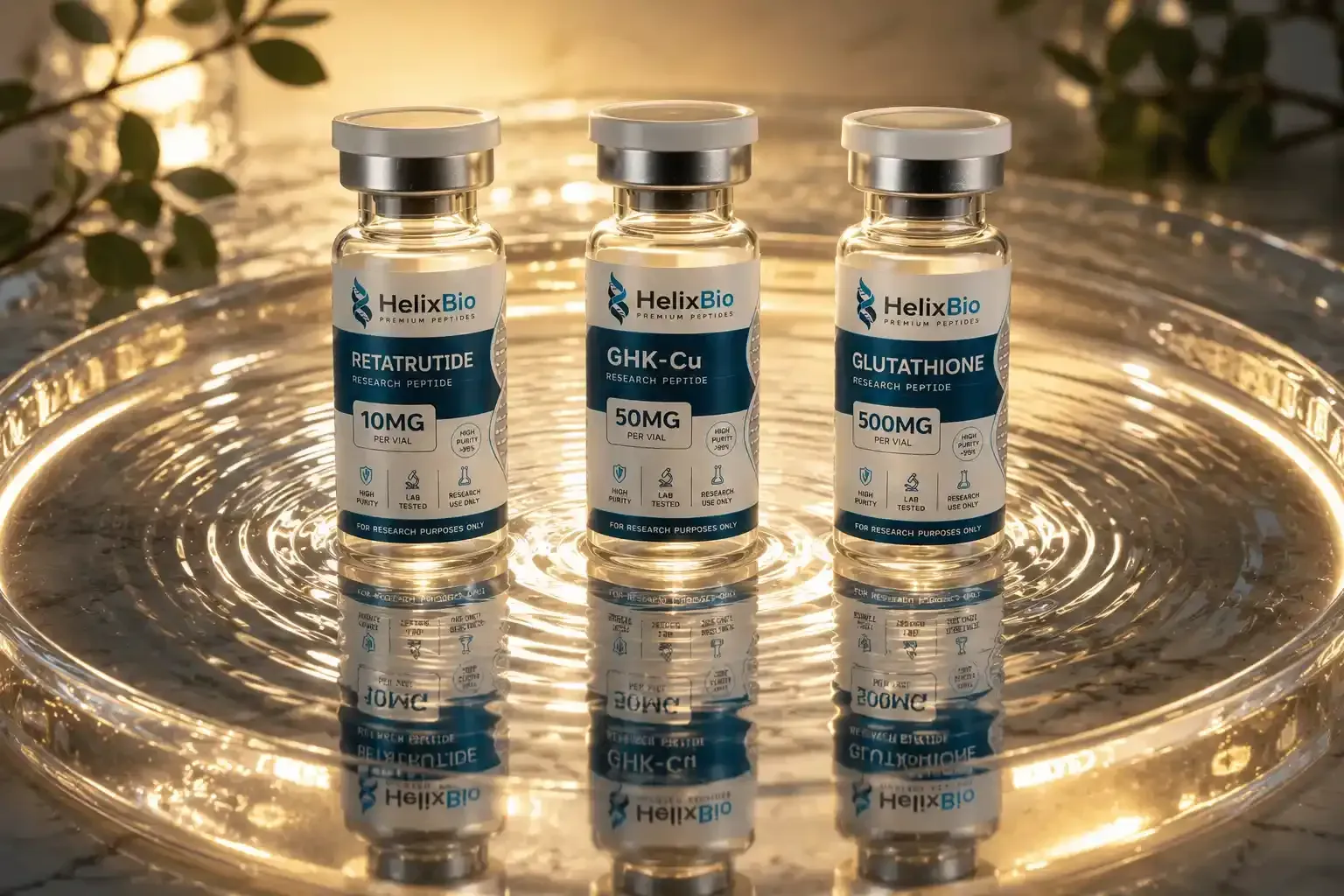
Helix Bio Chem Team
Research & Product Team
Our in-house team tracks published peptide research and translates it into clear, source-cited summaries for the research community.
Reviewed by in-house research chemists
support@helixbiochem.com