- BPC-157, TB-500, and GHK-Cu are each studied for distinct but complementary roles in tissue-repair research.
- BPC-157 research centers on angiogenesis via VEGF upregulation and nitric oxide system interaction.
- TB-500 is studied for actin modulation, supporting research into cellular migration and reduced scar tissue formation.
- GHK-Cu is studied for extracellular matrix remodeling, including Type I collagen synthesis.
- Combined-protocol research typically sequences these three compounds: vascularization, cellular migration, then matrix deposition.
- These compounds are intended strictly for in-vitro laboratory research, not human or animal use.
Cellular regeneration and rapid tissue repair remain two of the most intensely studied frontiers in peptide research. When subject models incur muscular, tendinous, or skeletal injuries, the standard biological healing timeline is often a limiting factor. However, the study of targeted peptides—specifically BPC-157, TB-500, and GHK-Cu—has shown potential to accelerate this timeline by upregulating angiogenesis, modulating inflammation, and signaling extracellular matrix repair.
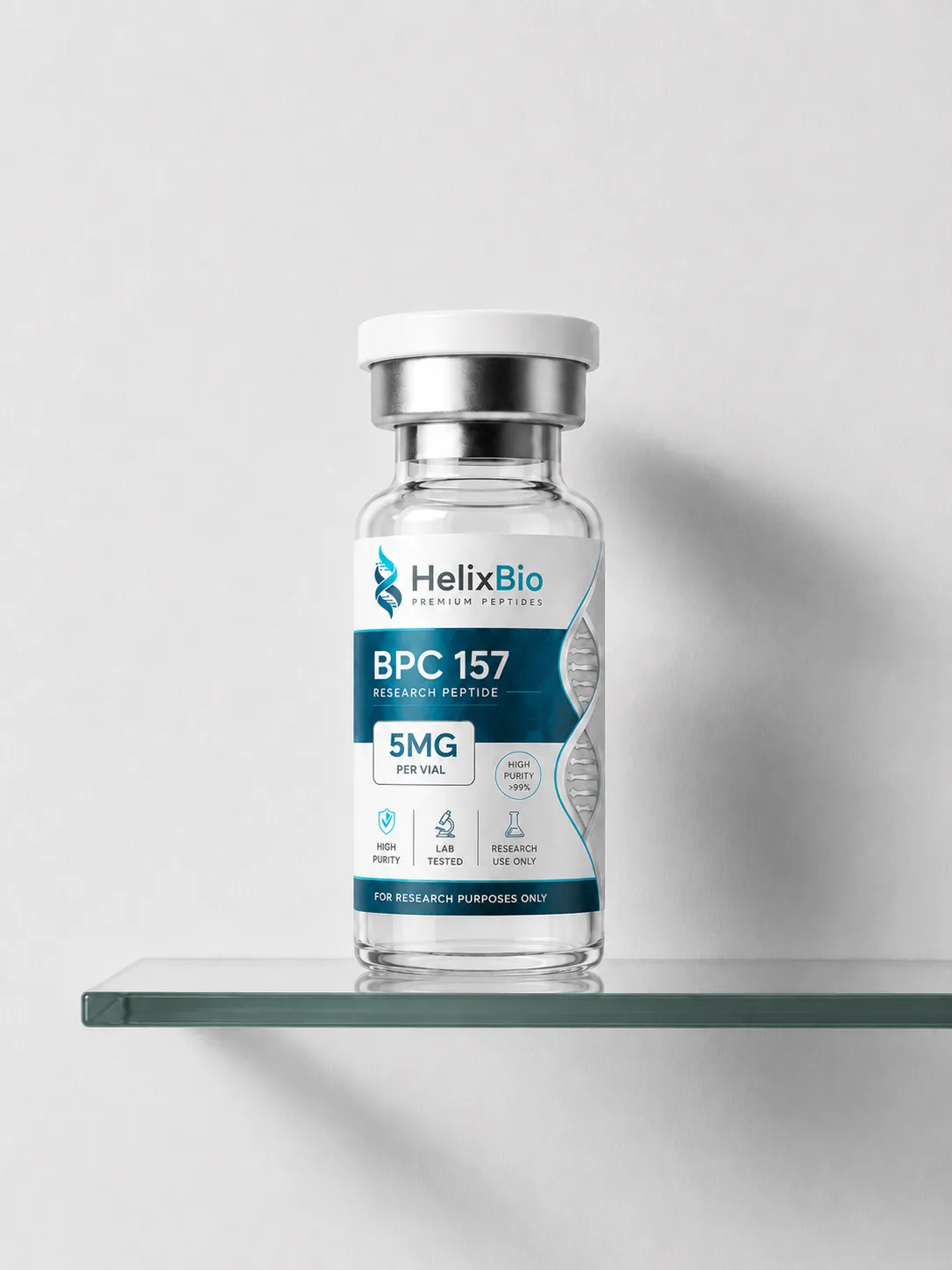
BPC-157
RESEARCH PEPTIDE
BPC-157 is a synthetic pentadecapeptide, a short chain of 15 amino acids derived from a protective protein found in gastric juice. It's one of the most widely studied research peptides in the biotech space, referenced across laboratory literature on tissue repair, angiogenesis, and gastrointestinal research models. Helix Bio's BPC-157 is manufactured for laboratory use, supplied as a lyophilized powder, and backed by a certificate of analysis for every batch. It's intended strictly for qualified researchers, laboratories, and academic institutions — not for human or animal use.
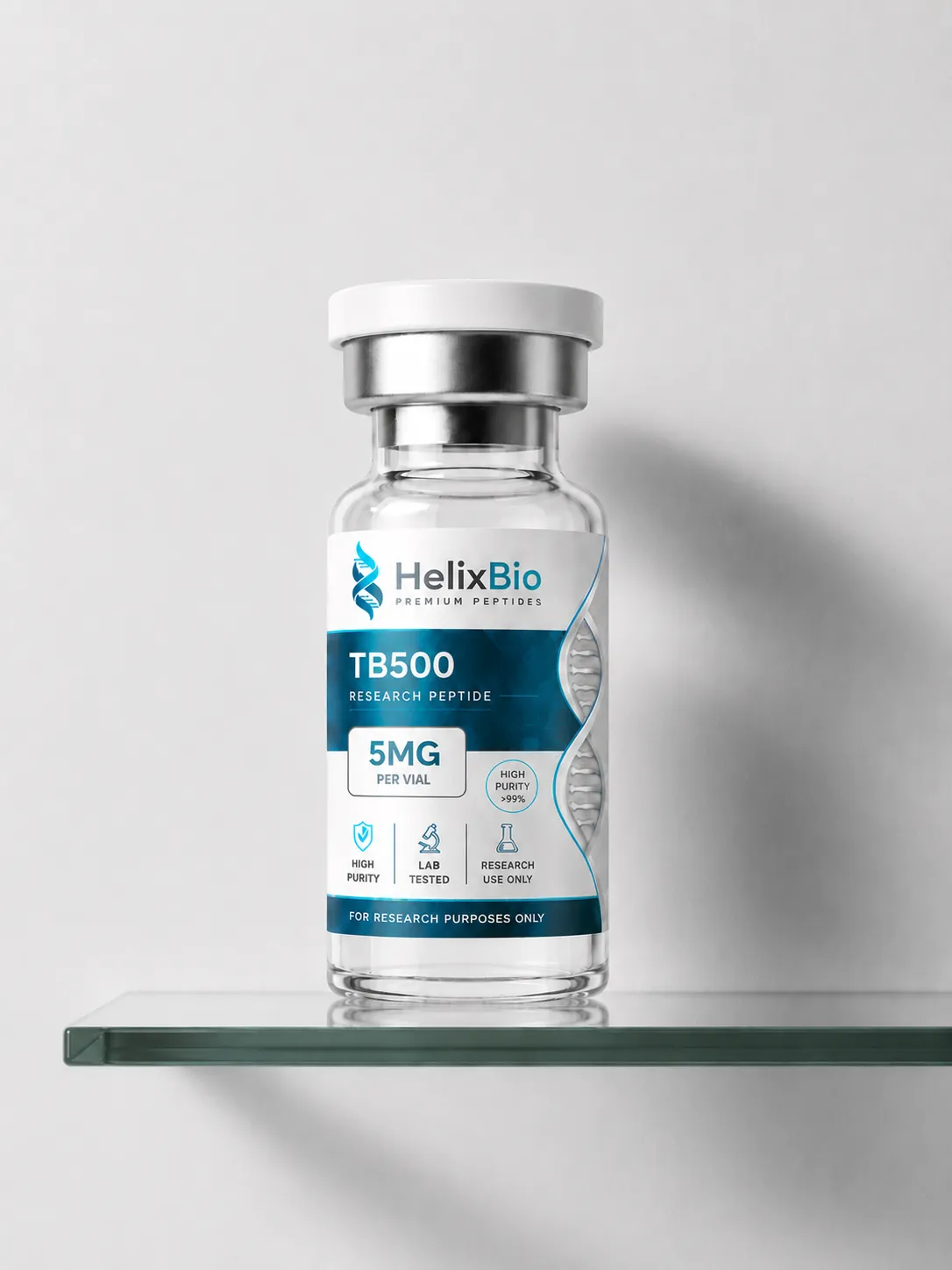
TB-500
RESEARCH PEPTIDE
TB-500 is a synthetic peptide fragment derived from Thymosin Beta-4, a naturally occurring protein involved in actin regulation within cells. It's one of the most referenced research peptides in laboratory literature on cell migration, angiogenesis, and tissue repair models. Helix Bio's TB-500 is manufactured for laboratory use, supplied as a lyophilized powder, and backed by a certificate of analysis for every batch. It's intended strictly for qualified researchers, laboratories, and academic institutions studying cellular repair mechanisms — not for human or animal use.
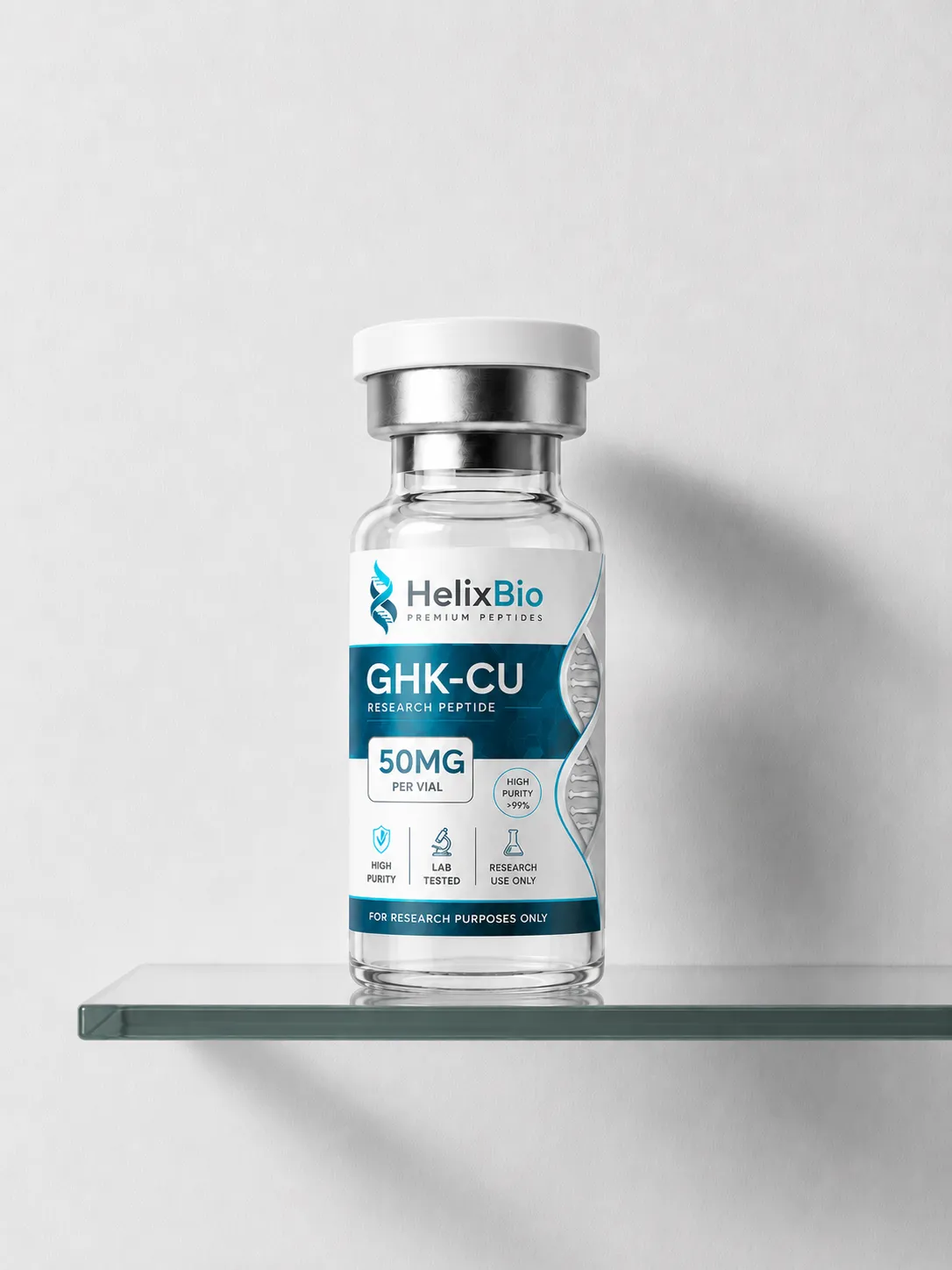
GHK-CU
RESEARCH PEPTIDE
GHK-CU (Glycyl-L-Histidyl-L-Lysine Copper) is a naturally occurring copper-binding tripeptide that has become one of the most extensively studied peptides in regenerative biology, extracellular matrix research, peptide chemistry, and cellular signaling. Researchers investigate GHK-CU in laboratory settings to better understand its interactions with biological pathways involved in tissue remodeling, cellular communication, protein regulation, and copper metabolism. Helix Bio supplies research-grade GHK-CU exclusively for laboratory, analytical, and educational research. This product is supplied strictly for research use only and is not intended for human consumption, veterinary use, therapeutic applications, or diagnostic procedures.
BPC-157: The Systemic Healing Catalyst
Body Protection Compound-157 (BPC-157) is a 15-amino acid pentadecapeptide derived from a naturally occurring protein found in human gastric juice. Initially researched for its potent cytoprotective effects on the gastric endothelium, BPC-157 has since been studied as a broader regulator of systemic healing processes.
Mechanism of Action: BPC-157 is studied for its effects on the upregulation of growth factors, notably Vascular Endothelial Growth Factor (VEGF). By promoting angiogenesis (the formation of new blood vessels), research models show injured tissues receiving increased oxygen and nutrients. It is also studied for its interaction with the nitric oxide (NO) system, relevant to endothelial tissue protection under hypoxic conditions.
TB-500: The Actin Modulator
TB-500 is a synthetic fraction of Thymosin Beta-4, a naturally occurring protein found in virtually all human and animal cells. While BPC-157 research focuses heavily on blood flow and growth factors, TB-500 research centers on structural cellular motility.
Mechanism of Action: TB-500's primary studied function is its ability to bind to actin, a vital cellular protein that forms microfilaments. By upregulating actin sequestering, TB-500 is studied for its role in facilitating cellular migration — meaning healing cells such as fibroblasts and myoblasts may travel to the site of injury at an accelerated rate in research models. TB-500 is also studied for its potential to reduce scar tissue formation.
GHK-Cu: The Extracellular Matrix Architect
Glycyl-L-histidyl-L-lysine bound to copper (GHK-Cu) is a naturally occurring copper complex. Levels of GHK-Cu in human plasma peak at age 20 and decline with age, a pattern researchers correlate with reduced capacity to repair skin, connective tissue, and bone.
Mechanism of Action: GHK-Cu is studied for its ability to modulate the extracellular matrix, including stimulating the synthesis of Type I collagen and glycosaminoglycans, while also being studied for regulating the breakdown of scar tissue through modulation of metalloproteinases. Research models associate GHK-Cu reintroduction with anti-inflammatory, neuroprotective, and dermal remodeling effects.
The Synergistic Triad Protocol
When researched in isolation, each of these peptides demonstrates notable research interest. However, advanced protocols often study the combined administration of all three compounds.
- Phase 1: Vascularization (BPC-157). The foundational step studied is establishing new blood networks to the affected area.
- Phase 2: Cellular Migration (TB-500). With blood flow established, research models show repair cells migrating along the new vascular pathways to the injury site.
- Phase 3: Structural Matrix Deposition (GHK-Cu). Research suggests arriving cells utilize localized copper peptides to synthesize collagen, supporting repair without excessive fibrosis.
These peptides are distributed strictly for in-vitro laboratory research and are not for human or animal consumption.
Frequently Asked Questions
They are studied for acting on different pathways. BPC-157 research focuses on angiogenesis and gut lining repair, while TB-500 research focuses on actin up-regulation and cellular migration, together suggesting a more comprehensive healing environment in research models.
While site-specific administration is common in localized tendon injury research, studies also show BPC-157 exhibiting systemic effects across research models, regardless of injection site.
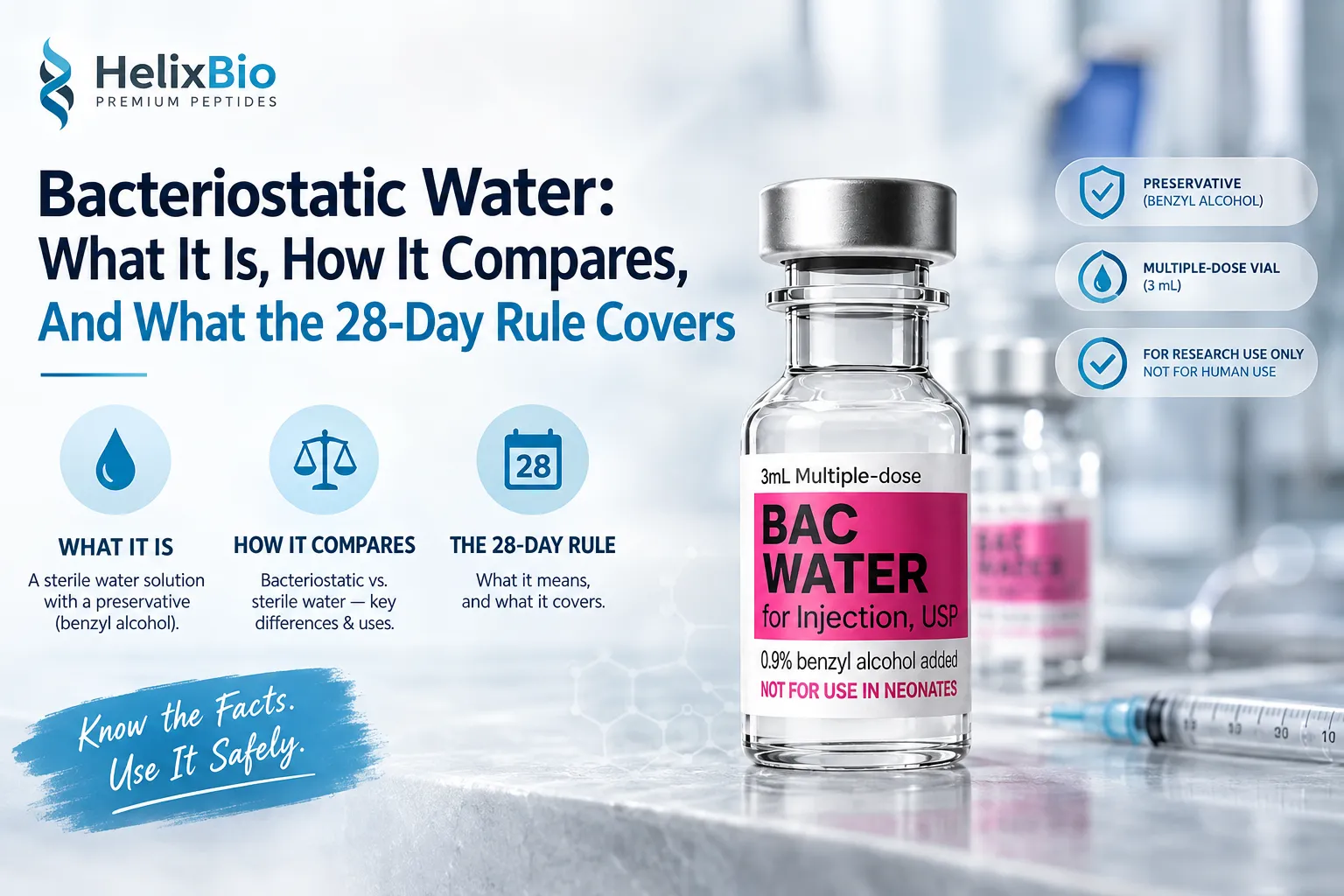
Because it is a copper-binding peptide, subcutaneous administration of GHK-Cu can sometimes cause localized irritation at the injection site in research models. Diluting with additional Bacteriostatic Water or co-administering with BPC-157 is sometimes studied to mitigate this.
Due to its longer half-life relative to BPC-157, TB-500 research protocols typically administer it twice weekly during an acute loading phase, followed by a once-weekly maintenance phase.
While chemically stable in isolation, combining multiple peptides in a single syringe for prolonged periods is generally discouraged due to potential molecular degradation. Researchers typically draw and administer them separately or mix immediately prior to administration.
Most research protocols evaluate subjects over a 4 to 8-week cycle, depending on the severity of the musculoskeletal or dermal injury model being studied.
Because BPC-157 is heavily studied for promoting angiogenesis, there is theoretical research interest in its interaction with models involving active neoplastic conditions, as tumors also rely on angiogenesis for growth.
GHK-Cu has been studied for enlarging hair follicle size and stimulating blood flow to the scalp by upregulating local VEGF, making it a compound of interest in androgenetic alopecia research models.
No, TB-500 is a large molecular structure that does not readily cross the blood-brain barrier in research models, which confines its studied actin-modulating effects primarily to peripheral tissues.
Lyophilized BPC-157 is generally stable at room temperature for several weeks but should be stored in a freezer for long-term preservation. Once reconstituted, it should be refrigerated.
Emerging research explores BPC-157's potential neuroprotective properties, including studies on peripheral nerve regeneration post-injury in research models.
TB-500 is studied for its regulation of actin, a protein essential for muscle contraction and cell structure. Research suggests this may support muscle fiber regeneration research without excessive stiff scar tissue deposition.
Recent genomic studies suggest that GHK-Cu may alter gene expression in the brain associated with anxiety and pain response in research models, an active area of ongoing investigation.
Standard research protocols typically evaluate GHK-Cu at 2mg to 5mg daily, monitoring for systemic copper accumulation if run for extended research durations.
Unlike anabolic-androgenic compounds, BPC-157, TB-500, and GHK-Cu are not studied as suppressing the body's natural endocrine HPTA axis, so no post-cycle therapy protocol is typically required in research models.
Helix Bio Chem Team
Research & Product Team
Our in-house team tracks published peptide research and translates it into clear, source-cited summaries for the research community.
Reviewed by in-house research chemists
support@helixbiochem.com