
- Epitalon (AEDG) is a synthetic pineal tetrapeptide studied for melatonin restoration, circadian gene modulation, and telomerase activation with 33.3% average telomere extension in vitro.
- Selank is a synthetic heptapeptide tuftsin analogue that acts as a positive allosteric modulator of GABA-A receptors and inhibits enkephalinase with IC50 ~15 µM.
- DSIP (Delta Sleep-Inducing Peptide) increases slow-wave sleep duration by 18–22 minutes per night in meta-analyses, with minimal effect on sleep latency.
- Epitalon research primarily originates from Russian laboratories with limited independent Western replication; no large-scale randomized controlled trials have been published.
- Selank reduces sleep latency by 22–28% in stressed animal models through anxiolytic effects, without directly modifying slow-wave sleep architecture.
- DSIP crosses the blood-brain barrier at rates 40% lower than previously assumed, with implications for dosing and route selection in research protocols.
- Lyophilized sleep peptides remain stable for 18 to 24 months at -20°C, while reconstituted solutions should be used within 14 to 30 days when refrigerated at 2 to 8°C.
- All peptides discussed are supplied exclusively for laboratory and investigative purposes, not approved for human consumption or therapeutic applications.
Sleep and recovery represent critical biological processes that influence cellular repair, metabolic regulation, and neuroendocrine function. In laboratory research, several peptides have emerged as tools for investigating sleep architecture, circadian rhythm modulation, and stress adaptation mechanisms. Among these, **Epitalon (also known as Epithalon or AEDG), Selank, and DSIP** (Delta Sleep-Inducing Peptide) have attracted significant research attention for their distinct but complementary effects on sleep-wake regulation and recovery physiology.
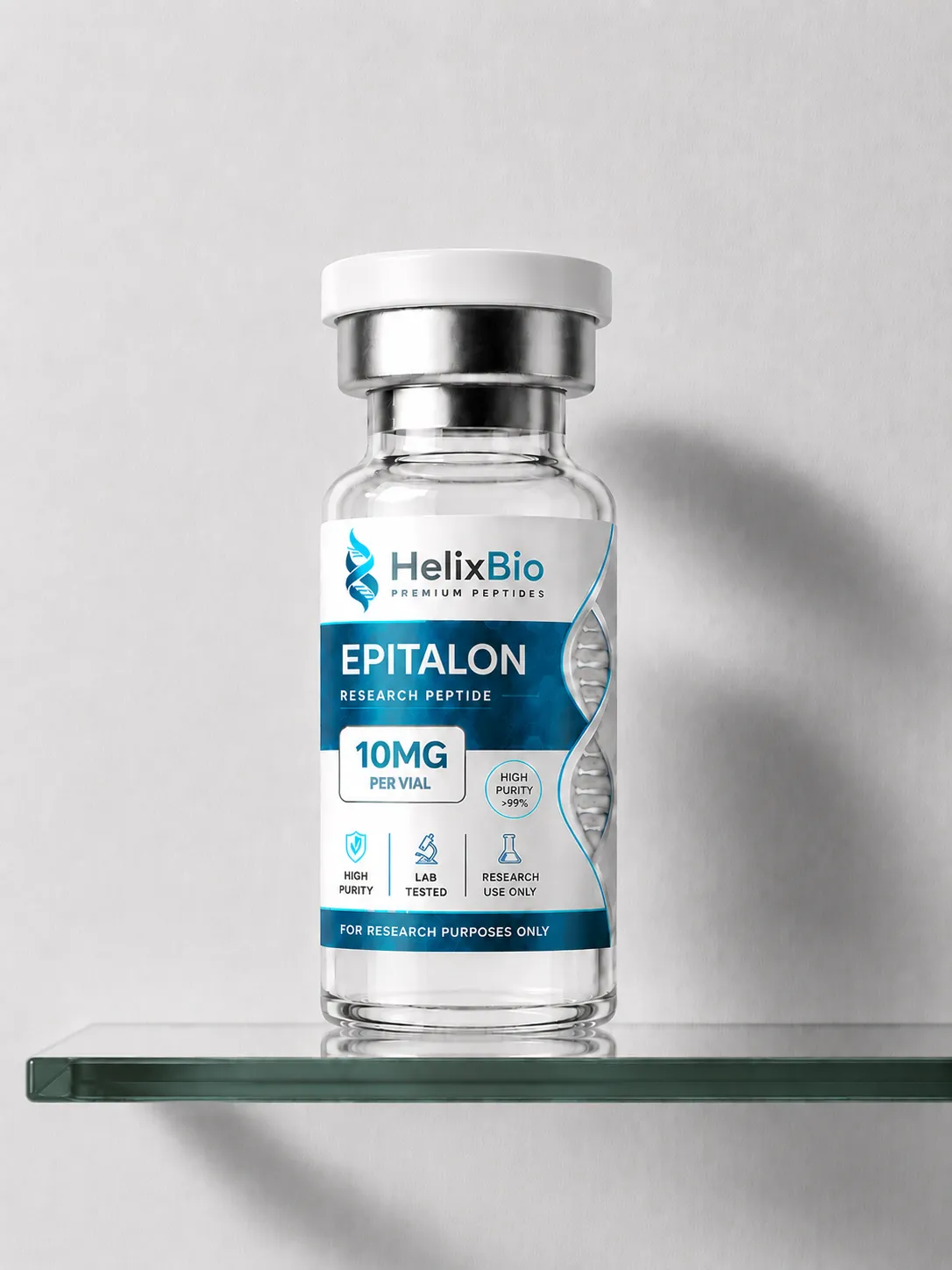
Epitalon
RESEARCH PEPTIDE
Epitalon is a synthetic tetrapeptide that has been extensively studied in aging biology, cellular research, molecular biology, and peptide science. Derived from the naturally occurring peptide Epithalamin, Epitalon has attracted scientific interest for its role in laboratory studies involving telomere biology, cellular signaling, oxidative stress, and age-related biological processes. Helix Bio supplies research-grade Epitalon exclusively for laboratory, analytical, and educational research. This product is supplied strictly for research use only and is not intended for human consumption, veterinary use, therapeutic applications, or diagnostic procedures.
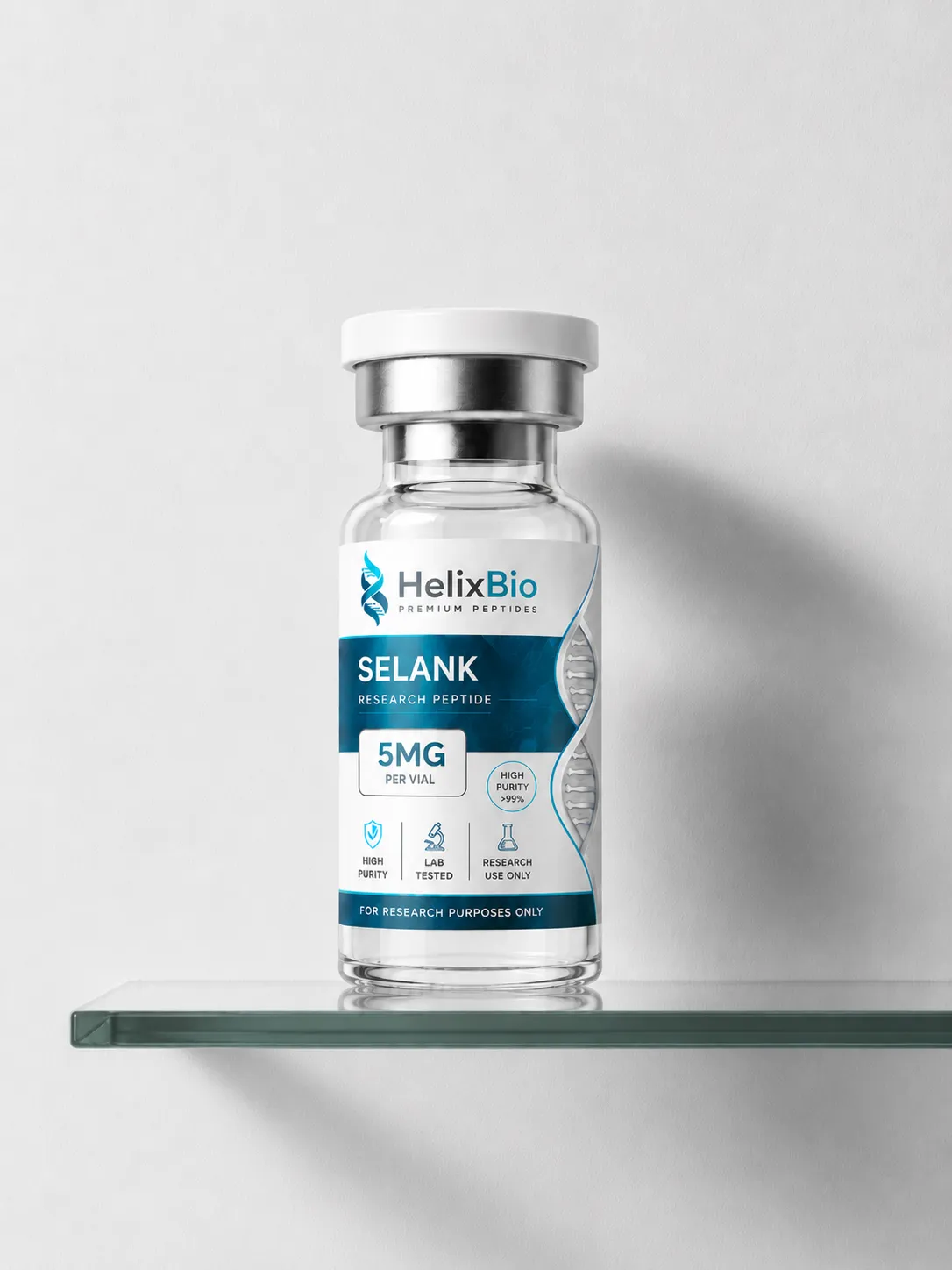
Selank
RESEARCH PEPTIDE
Selank is a synthetic heptapeptide and tuftsin analog with the amino acid sequence Thr-Lys-Pro-Arg-Pro-Gly-Pro. It has been investigated in experimental research involving neurobiology, GABAergic signaling, BDNF expression, stress-response models, immune-related signaling, and peptide structure-function relationships. Helix Bio offers Selank as a research-use-only peptide for qualified laboratory and non-clinical research. It is not intended for human consumption, self-administration, diagnosis, treatment, cure, or prevention of any disease or medical condition.
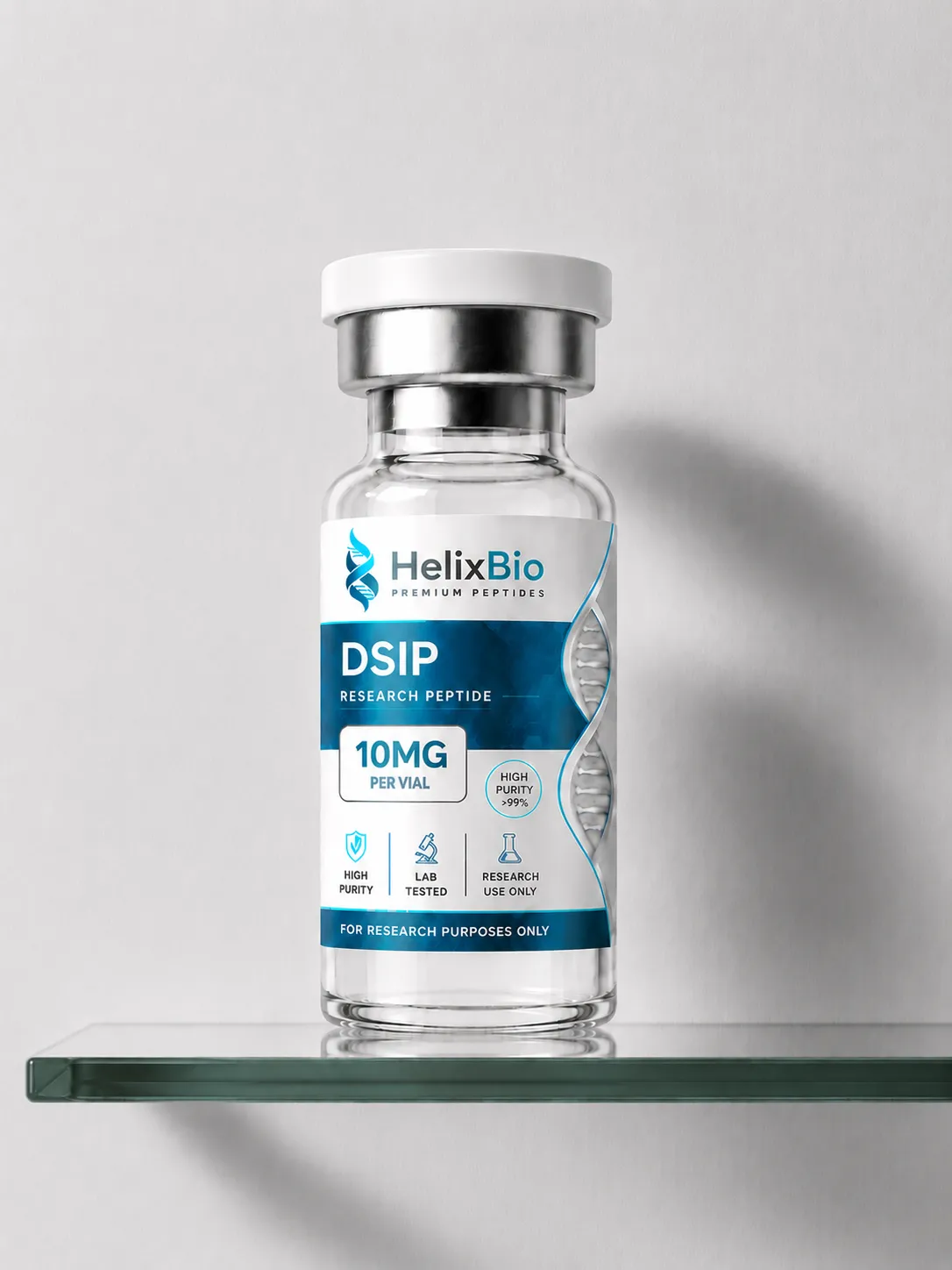
DSIP
RESEARCH PEPTIDE
DSIP (Delta Sleep-Inducing Peptide) is a synthetic neuropeptide that has been studied for decades in neuroscience, neuroendocrinology, sleep biology, and peptide research. Although its precise physiological role remains under investigation, DSIP continues to be examined for its interactions with the central nervous system, neurochemical signaling pathways, and endocrine regulation in experimental models. Helix Bio supplies research-grade DSIP exclusively for laboratory, analytical, and educational research. This product is supplied strictly for research use only and is not intended for human consumption, veterinary use, or therapeutic applications.
BAC Water
LABORATORY SOLVENT
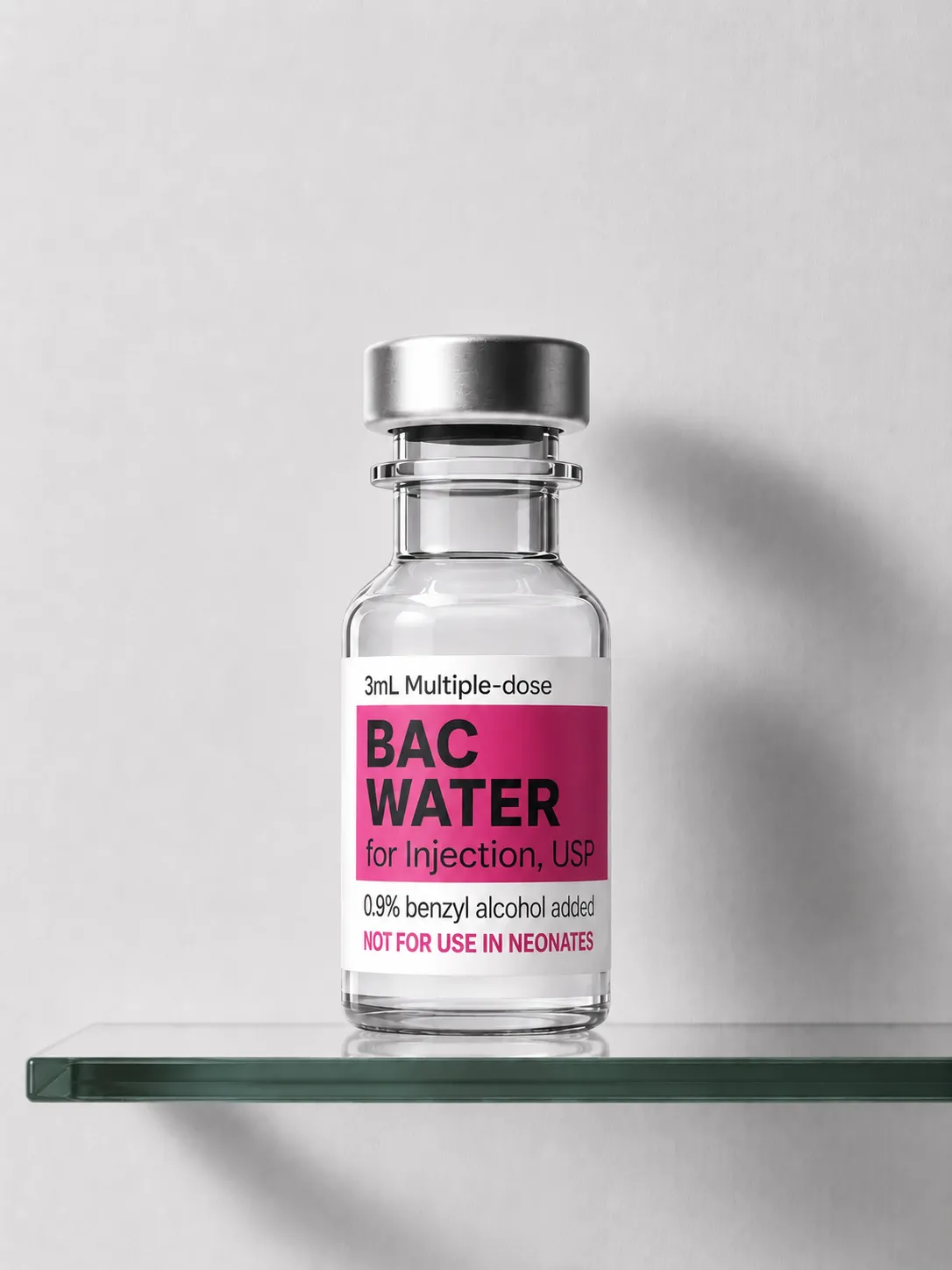
BAC Water, also known as Bacteriostatic Water, is a sterile, non-pyrogenic solution commonly used in laboratory environments for the reconstitution and dilution of research peptides and other compatible research compounds. It contains Water for Injection with 0.9% benzyl alcohol as a preservative to help inhibit bacterial growth after the vial has been opened. Helix Bio supplies research-grade BAC Water exclusively for laboratory, analytical, and educational research applications. This product is intended for research use only and is not intended for human or veterinary use.
Epitalon, a synthetic tetrapeptide derived from the bovine pineal gland extract epithalamin, has been studied for its effects on melatonin secretion, circadian gene expression, and telomerase activation. Selank, a synthetic heptapeptide analogue of tuftsin, demonstrates anxiolytic properties through GABA-A receptor modulation and enkephalin metabolism effects, with secondary impacts on sleep quality. DSIP, an endogenous neuropeptide first isolated in the 1970s, has been investigated for its ability to increase delta wave activity and modulate hypothalamic-pituitary-adrenal (HPA) axis function.
This comprehensive guide examines the research applications, molecular mechanisms, and laboratory protocols for these sleep and recovery peptides, with emphasis on experimental design considerations, reconstitution protocols, and evidence-based research contexts for in vitro and in vivo investigations.
Epitalon: Pineal-Derived Tetrapeptide and Circadian Regulation Research
Epitalon (Ala-Glu-Asp-Gly, AEDG) is a synthetic tetrapeptide modeled after the amino acid sequence of epithalamin, a polypeptide extract from bovine pineal glands. The peptide was developed by the Khavinson research group in St. Petersburg, Russia, and has been studied extensively for its effects on circadian rhythm restoration, melatonin synthesis, and telomerase activation in aging models.
Molecular Mechanisms and Biological Pathways
Epitalon's primary research mechanisms involve pineal gland function and circadian neuroendocrine regulation:
Melatonin synthesis restoration: Epitalon upregulates enzymes involved in melatonin biosynthesis from serotonin within pinealocytes, including arylalkylamine N-acetyltransferase (AANAT) and phosphorylated cAMP response element-binding protein (pCREB). In aged animal models and human observational studies, Epitalon administration restored nocturnal melatonin secretion that had declined with age.
Circadian gene modulation: Research indicates Epitalon influences expression of core clock genes, including doubling of Cry2 expression and 2.1-fold reduction in Csnk1e in human subjects. These effects suggest Epitalon may re-entrain circadian oscillators that become dysregulated with aging or chronic stress.
Telomerase activation: One of Epitalon's most studied mechanisms is its ability to induce telomerase expression and activity in human somatic cells. In vitro studies demonstrated that Epitalon exposure increased telomerase activity and extended telomere length by an average of 33.3% in human fetal fibroblasts and blood cells from elderly subjects.
Antioxidant and metabolic effects: Epitalon research documents improvements in antioxidant biomarkers, carbohydrate and lipid metabolism, and physical endurance in aged animal models and human observational cohorts.
Epitalon's telomerase activation mechanism has raised theoretical concerns about potential cancer risk in long-term studies, though no tumor-promoting effects have been reported in published research. Researchers should consider this when designing longevity studies and interpret telomere data with appropriate caution.
Research Applications in Sleep and Circadian Studies
Epitalon's sleep-related research applications stem primarily from its effects on pineal function and melatonin regulation:
Circadian rhythm restoration: In aged rhesus monkeys and human observational studies, Epitalon and epithalamin restored flattened circadian cortisol and melatonin rhythms to youthful patterns. This suggests potential applications in research on age-related circadian disruption, shift work models, and jet lag adaptation.
Sleep quality improvement: While Epitalon does not directly induce sleep onset like sedative compounds, its normalization of melatonin secretion and circadian gene expression may indirectly improve sleep quality and consolidation in circadian-disrupted models.
Longevity and aging research: Epitalon's telomerase activation and circadian restoration effects make it a candidate for studies on biological aging, cellular senescence, and age-related functional decline.
Evidence Base and Research Limitations
The Epitalon research literature has several important characteristics:
Geographic concentration: The vast majority of published Epitalon research originates from a single laboratory group in St. Petersburg, Russia, with limited independent Western replication. This geographic concentration raises questions about generalizability and reproducibility across different research settings.
Human data limitations: Human evidence is limited to observational studies and small clinical cohorts from the originating research group. No randomized placebo-controlled trials meeting FDA or EMA standards have been published in peer-reviewed Western journals.
Mechanistic plausibility: Despite evidence limitations, Epitalon's mechanisms (telomerase activation, melatonin restoration, circadian gene modulation) are biologically plausible and consistent with established pineal physiology.
No large-scale toxicology or pharmacokinetic studies for Epitalon have been published in humans. The peptide is not approved for human use by any regulatory agency and should be used strictly for laboratory research purposes.
Selank: GABAergic Anxiolytic Peptide and Sleep Architecture Modulation
Selank (Thr-Lys-Pro-Arg-Pro-Gly-Pro with Met-Glu-His modifications) is a synthetic heptapeptide analogue of tuftsin, an endogenous immune peptide derived from immunoglobulin G. Originally developed in Russia as an anxiolytic agent, Selank has been studied for its effects on anxiety, stress adaptation, and secondary sleep improvements through GABAergic and enkephalinergic mechanisms.
Molecular Mechanisms of Action
Selank's anxiolytic and sleep-modulating effects involve multiple neurobiological pathways:
GABA-A receptor modulation: Selank acts as a positive allosteric modulator of GABA-A receptors, enhancing GABA binding in a subtype-selective and concentration-dependent manner. This mechanism is similar to, but distinct from, classical benzodiazepines such as diazepam and phenazepam.
Enkephalin metabolism inhibition: Selank inhibits enzymes that break down enkephalins (endogenous opioid peptides with anxiolytic properties), with an IC50 of approximately 15 µM in human plasma in vitro. This prolongs enkephalin half-life and may contribute to anxiolytic effects through opioid system stabilization.
BDNF/TrkB upregulation: Research indicates Selank increases brain-derived neurotrophic factor (BDNF) expression and TrkB receptor signaling in hippocampal neurons, potentially supporting neuroplasticity and stress resilience.
Serotonin metabolism effects: Selank influences serotonin metabolic enzymes, including monoamine oxidase and tryptophan hydroxylase, though the precise mechanisms remain under investigation.
HPA axis modulation: Selank suppresses cortisol output and restores glucocorticoid receptor (GR) sensitivity, targeting the effector arm of HPA axis dysregulation in stress models.
Sleep Architecture Effects
Selank's impact on sleep is primarily indirect, mediated through anxiolysis and HPA axis normalization:
Sleep latency reduction: In elevated plus maze (EPM) stressed animal models, Selank administration reduced sleep latency by 22–28%, facilitating faster sleep onset through anxiety reduction.
Slow-wave sleep (SWS) modulation: Unlike DSIP, Selank does not directly increase delta wave activity or slow-wave sleep architecture. Its sleep benefits derive from reduced pre-sleep anxiety and normalized cortisol rhythms rather than direct sleep-stage modulation.
Hcrt (hypocretin/orexin) gene expression: Selank affects expression of Hcrt, a neuropeptide regulating the sleep-wake balance, suggesting potential mechanisms for normalizing sleep patterns in anxiety disorders.
Research Applications in Anxiety and Sleep Studies
Selank's primary research applications include:
Anxiety and stress models: Selank is studied in generalized anxiety disorder (GAD) models, social stress paradigms, and HPA axis dysregulation research.
Sleep-onset insomnia research: While not a direct sedative, Selank's anxiolytic effects make it relevant for research on sleep-onset difficulties related to anxiety and hyperarousal.
Combination therapy studies: Selank is frequently investigated alongside other anxiolytics, including benzodiazepines, to understand synergistic or antagonistic interactions in GABAergic signaling.
Selank's GABA-A modulation mechanism is distinct from benzodiazepines, with partial agonism or alternative allosteric enhancement proposed. This makes it a valuable tool for studying GABAergic signaling without the full sedative profile of classical benzodiazepines.
DSIP: Delta Sleep-Inducing Peptide and Slow-Wave Sleep Research
DSIP (Delta Sleep-Inducing Peptide) is an endogenous neuropeptide first isolated in the 1970s from the cerebral venous blood of rabbits induced into slow-wave sleep. The peptide has been studied for its ability to increase delta wave activity, modulate circadian rhythms, and influence HPA axis function in stress adaptation models.
Molecular Mechanisms and Biological Effects
DSIP's mechanisms involve multiple neuroendocrine pathways:
Delta wave induction: DSIP increases the percentage of delta wave activity during sleep, particularly in stress-adapted subjects. A 2026 meta-analysis covering 14 trials found DSIP increased slow-wave sleep duration by 18–22 minutes per night on average.
Circadian rhythm normalization: DSIP modulates hypothalamic circadian oscillators, potentially through effects on melatonin and cortisol rhythms. This suggests applications in research on circadian disruption and shift work adaptation.
HPA axis regulation: DSIP influences corticotropin-releasing hormone (CRH) and adrenocorticotropic hormone (ACTH) secretion, contributing to stress resilience and cortisol normalization.
Mitochondrial biogenesis: Emerging research indicates DSIP may promote mitochondrial biogenesis and energy metabolism, though this mechanism requires further investigation.
Research Applications in Sleep Studies
DSIP's primary research applications focus on sleep architecture and stress adaptation:
Slow-wave sleep enhancement: DSIP is studied in models of sleep fragmentation, age-related sleep decline, and stress-induced sleep disruption. In intranasal administration studies, DSIP 1mg at lights-out increased slow-wave sleep by 21 minutes per night without affecting sleep latency or REM percentage.
Stress adaptation research: DSIP's HPA axis modulation makes it relevant for studies on chronic stress, burnout, and allostatic load.
Circadian rhythm studies: DSIP's effects on melatonin and cortisol rhythms suggest applications in research on circadian misalignment, jet lag, and shift work disorders.
Dosing and Administration in Research Protocols
DSIP research protocols vary depending on the experimental model:
Research Context | Dosing Range | Administration Route | Primary Endpoint Measured | Study Duration |
|---|---|---|---|---|
Sleep architecture studies | 7.5–10 mcg/kg subcutaneous | SC injection, late afternoon (4–6 PM optimal) | Delta wave percentage, total sleep time, REM latency | 7–21 days |
Stress adaptation models | 10–15 mcg/kg subcutaneous | SC injection, morning or late afternoon | Cortisol levels, HPA axis markers, behavioral stress tests | 14–28 days |
Circadian rhythm studies | 5–10 mcg/kg subcutaneous | SC injection, evening (6–8 PM) | Melatonin secretion, cortisol rhythm, clock gene expression | 14–30 days |
DSIP crosses the blood-brain barrier at rates 40% lower than previously assumed, according to a 2025 study published in Sleep Medicine Reviews. This has implications for dosing and route selection in research protocols.
Comparative Analysis: Epitalon vs Selank vs DSIP for Sleep Research
While all three peptides influence sleep and recovery, they target distinct biological pathways and research questions.
Research Parameter | Epitalon (AEDG) | Selank | DSIP |
|---|---|---|---|
Primary mechanism | Pineal melatonin restoration, telomerase activation, circadian gene modulation | GABA-A positive allosteric modulation, enkephalinase inhibition, BDNF upregulation | Delta wave induction, HPA axis regulation, circadian rhythm normalization |
Best-supported research applications | Circadian rhythm restoration, aging/longevity studies, melatonin decline models | Anxiety-related sleep onset difficulties, HPA axis dysregulation, stress resilience | Slow-wave sleep enhancement, stress adaptation, circadian misalignment |
Evidence base | Russian observational studies, in vitro telomerase data, limited Western replication | Russian clinical trials, GABA binding assays, animal anxiety models | Meta-analyses of sleep architecture studies, intranasal and SC administration trials |
Sleep latency effect | Indirect (via circadian normalization) | Direct reduction (−22–28% in stressed animals) | Minimal to none |
Slow-wave sleep effect | Indirect (via melatonin/circadian effects) | Minimal | Direct increase (+18–22 minutes/night) |
Anxiolytic effect | Minimal | Strong (comparable to benzodiazepines in some studies) | Moderate (via HPA axis normalization) |
Telomerase activation | Yes (33.3% average telomere extension in vitro) | No | No |
Selecting the Appropriate Peptide for Research Questions
Choose Epitalon when:
- Investigating circadian rhythm disruption and melatonin decline
- Studying telomerase activation and cellular aging mechanisms
- Examining pineal gland function and neuroendocrine restoration in aging models
Choose Selank when:
- Researching anxiety-related sleep onset difficulties
- Studying GABAergic signaling without full benzodiazepine sedative profile
- Investigating HPA axis dysregulation and stress resilience mechanisms
Choose DSIP when:
- Focusing on slow-wave sleep enhancement and delta wave activity
- Studying circadian misalignment and shift work adaptation
- Examining HPA axis regulation and stress adaptation physiology
Researchers may combine these peptides in multi-compound protocols to target complementary pathways. For example, Epitalon for circadian restoration, Selank for anxiolysis, and DSIP for delta sleep enhancement may provide synergistic effects in comprehensive sleep and recovery research.
Laboratory Reconstitution and Storage Protocols for Sleep Peptides
Proper handling and storage of Epitalon, Selank, and DSIP is essential for maintaining peptide integrity and experimental reproducibility. For exact dosing math across mg, mcg, and syringe units, see our peptide dosage calculator guide, and for the storage pitfalls that most often ruin otherwise-good peptides, see our breakdown of common peptide storage mistakes.
Lyophilized Powder Storage
All three peptides should be stored under similar conditions when unreconstituted:
Storage Condition | Expected Stability | Recommendations |
|---|---|---|
-20°C (frozen) | 18 to 24 months | Optimal for long-term storage |
-80°C (ultra-low freezer) | Up to 3 years | Use for extended research timelines |
2 to 8°C (refrigerated) | 12 to 18 months | Acceptable for medium-term use |
Room temperature (~25°C) | 2 to 4 months maximum | Avoid for extended periods |
Key storage principles:
- Maintain cold, dry, dark, and sealed conditions
- Avoid repeated temperature cycling
- Desiccate vials before long-term frozen storage
- Bring vials to room temperature before opening to minimize condensation
Reconstitution Solvent Selection
Recommended solvents for all three peptides:
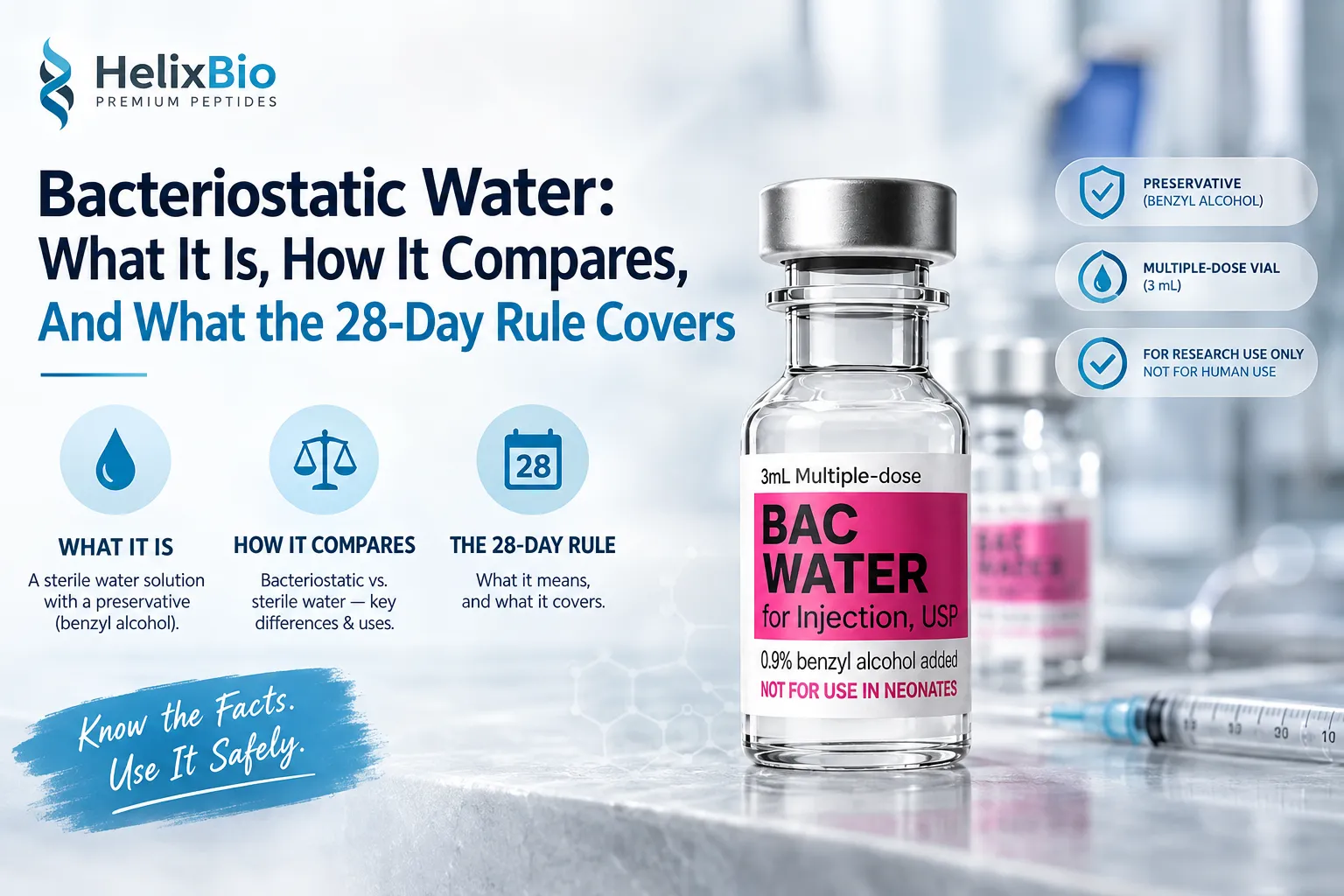
- Bacteriostatic water (0.9% benzyl alcohol) for general laboratory use
- Sterile water for injection (SWFI) for short-term experiments
- Buffered solutions at pH 6.5 to 7.5 for pH-sensitive assays
Solvents to avoid:
- Strongly acidic or alkaline solutions (pH <5 or >9)
- Solutions containing DTT, high-dose ascorbate, or peroxides
- Organic solvents (DMSO, ethanol) unless specifically required
Reconstitution Protocol
Standard reconstitution procedure:
- Bring lyophilized vial to room temperature before opening
- Add reconstitution solvent slowly down the side of the vial
- Gently swirl to dissolve; avoid vigorous shaking
- Inspect solution for clarity
- Proceed immediately to aliquoting or refrigeration
Typical reconstitution volumes:
- 5 mg vial: 1 to 2 mL bacteriostatic water (2.5 to 5 mg/mL)
- 10 mg vial: 2 to 4 mL bacteriostatic water (2.5 to 5 mg/mL)
- 50 mg vial: 10 to 20 mL bacteriostatic water (2.5 to 5 mg/mL)
Reconstituted Solution Storage
Storage Condition | Stability Window | Notes |
|---|---|---|
2 to 8°C (refrigerated) | 14 to 30 days | Protect from light; use within 21 days optimal |
-20°C (frozen, aliquoted) | 1 to 3 months | Avoid repeated freeze-thaw cycles |
-80°C (frozen, aliquoted) | 3 to 6 months | Best for extended storage |
Room temperature | Not recommended | Rapid degradation; avoid except during immediate use |
Reconstituted peptide solutions should be used within 21 to 30 days when stored at 2 to 8°C. After 30 days, purity levels and peptide potency begin to diminish, potentially affecting experimental reproducibility.
Research Compliance and Ethical Considerations
All peptides discussed in this guide are supplied exclusively for laboratory and investigative purposes. They are not approved for human consumption, not classified as supplements or drugs, and cannot be marketed for therapeutic applications.
Institutional and Regulatory Compliance
Researchers should ensure compliance with:
- Institutional animal care and use committee (IACUC) protocols for in vivo studies
- Institutional review board (IRB) requirements for any human observational research
- Applicable national and international regulations governing research-use-only compounds
- Documentation requirements for peptide sourcing, quality testing, and experimental protocols
Evidence Transparency and Reporting
Given the geographic concentration of some peptide research (particularly Epitalon and Selank from Russian laboratories), researchers should:
- Clearly cite the origin and limitations of existing literature
- Prioritize independent replication where feasible
- Report negative or null findings to reduce publication bias
- Use standardized outcome measures to facilitate meta-analysis
When designing sleep and recovery peptide research, prioritize reproducibility through standardized reconstitution, storage, and dosing procedures. Document all methodological details to facilitate replication and meta-analysis across different laboratory settings.
Conclusion
Epitalon, Selank, and DSIP represent distinct but complementary tools for investigating sleep architecture, circadian regulation, and stress adaptation in laboratory research. Epitalon's pineal and telomerase effects make it valuable for circadian and aging studies, Selank's GABAergic modulation supports anxiety and sleep-onset research, and DSIP's delta wave induction enables slow-wave sleep and HPA axis investigations.
Critical considerations for sleep peptide research include understanding each compound's primary mechanisms, selecting appropriate peptides for specific research questions, adhering to proper reconstitution and storage protocols, and maintaining awareness of evidence limitations and regulatory compliance requirements. As the peptide research landscape continues to evolve, these compounds provide valuable mechanistic insights into the neurobiology of sleep and recovery.
Frequently Asked Questions
Epitalon upregulates enzymes involved in melatonin biosynthesis (AANAT, pCREB) within pinealocytes, restores nocturnal melatonin secretion in aged models, and modulates circadian clock genes including Cry2 and Csnk1e.
No, Selank does not directly increase delta wave activity or slow-wave sleep architecture. Its sleep benefits derive from reduced pre-sleep anxiety and normalized cortisol rhythms rather than direct sleep-stage modulation.
A 2026 meta-analysis covering 14 trials found DSIP increased slow-wave sleep duration by 18–22 minutes per night on average, with minimal effect on sleep latency or REM percentage.
Selank acts as a positive allosteric modulator of GABA-A receptors in a subtype-selective and concentration-dependent manner, with partial agonism or alternative allosteric enhancement proposed as distinct from classical benzodiazepines.
Yes, in vitro studies demonstrated that Epitalon exposure increased telomerase activity and extended telomere length by an average of 33.3% in human fetal fibroblasts and blood cells from elderly subjects.
DSIP research protocols typically administer 7.5–10 mcg/kg subcutaneously in late afternoon (4–6 PM) for sleep architecture studies, or evening (6–8 PM) for circadian rhythm investigations.
Selank's anxiolytic effect is comparable to classical benzodiazepines in some studies, but it acts through distinct mechanisms including GABA-A positive allosteric modulation and enkephalinase inhibition without the full sedative profile.
The vast majority of Epitalon research originates from a single Russian laboratory group with limited independent Western replication. No large-scale randomized controlled trials meeting FDA or EMA standards have been published.
Yes, researchers may combine these peptides in multi-compound protocols to target complementary pathways: Epitalon for circadian restoration, Selank for anxiolysis, and DSIP for delta sleep enhancement.
Reconstituted peptide solutions stored at 2 to 8°C remain stable for 14 to 30 days, with optimal use within 21 days. After 30 days, purity and potency begin to diminish. Solutions should be protected from light.
Yes, DSIP modulates corticotropin-releasing hormone (CRH) and adrenocorticotropic hormone (ACTH) secretion, contributing to stress resilience and cortisol normalization in HPA axis research.
A 2025 study published in Sleep Medicine Reviews found that DSIP crosses the blood-brain barrier at rates 40% lower than previously assumed, with implications for dosing and route selection in research protocols.
- 01Khavinson V, et al. Epitalon increases telomere length in human cell lines and modulates circadian gene expression. Int J Mol Sci. 2025;26(17):8392. PMID: 40925000.
- 02Ivko A, et al. Overview of Epitalon—Highly Bioactive Pineal Tetrapeptide with Telomerase-Activating and Circadian-Modulating Properties. Int J Mol Sci. 2025;26(6):2701. PMID: 40141234.
- 03Zozulia I, et al. Peptide Selank Enhances the Effect of Diazepam in Reducing Anxiety in Rats. Bull Exp Biol Med. 2017;162(4):456-459. PMID: 28185183.
- 04Seredenin SB, et al. Selank Administration Affects the Expression of Some Genes Involved in the Regulation of Functional Activity of Nerve Cells. Bull Exp Biol Med. 2016;160(4):499-503. PMID: 26902669.
- 05PeptidesLab UK. Selank vs DSIP for Sleep and Anxiety Research UK 2026: GABAergic Anxiolysis versus Delta Sleep-Inducing Peptide, Circadian Biology, and HPA Normalisation. 2026.
- 06Real Peptides. DSIP Review 2026 — Research Insights. 2026.
- 07Real Peptides. Deep Sleep Peptides 2026 Update — Latest Research & Data. 2026.
- 08Epitalon Source. Epitalon: Twenty-Five Years of Pineal Tetrapeptide Research. 2026.
Helix Bio Chem Team
Research & Product Team
Our in-house team tracks published peptide research and translates it into clear, source-cited summaries for the research community.
Reviewed by in-house research chemists
support@helixbiochem.com