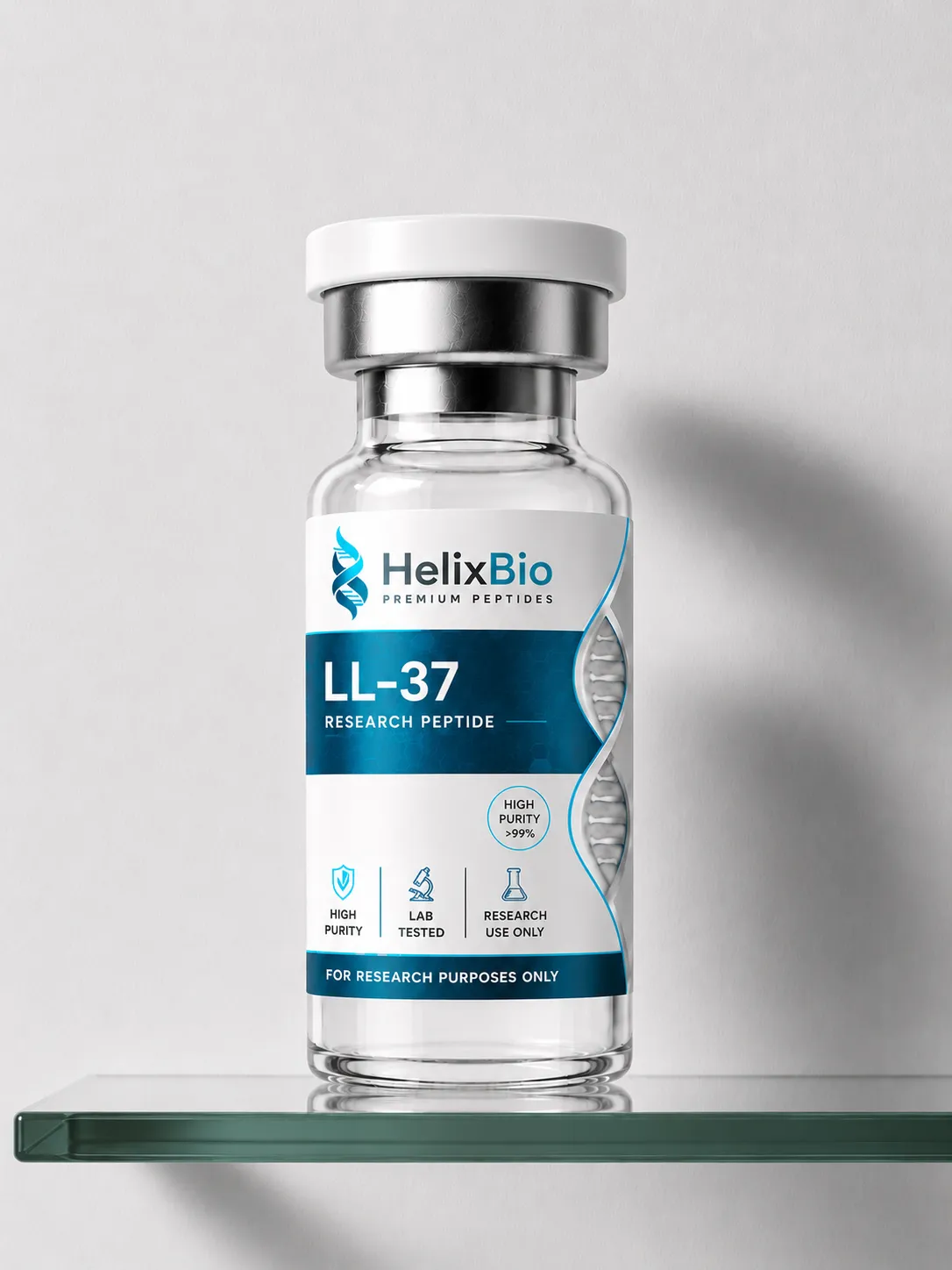
LL-37 is a cathelicidin-derived antimicrobial peptide supplied by Helix Bio for laboratory and academic research use only. It is not manufactured, labeled, or sold for human consumption, clinical use, or self-administration of any kind. Researchers working on innate immunity, antimicrobial resistance, wound-healing models, or skin barrier biology use LL-37 as a reference peptide, since it occurs naturally in human tissue and has been characterized in a large body of peer-reviewed literature. Helix Bio's LL-37 ships as a lyophilized powder, is verified through HPLC and mass spectrometry, and comes with a certificate of analysis for every batch. If you're looking for a research-grade LL-37 peptide vial with documented purity and consistent lot-to-lot quality, the sections below cover specifications, storage guidance, and the published research context researchers typically want before placing an order.
HPLC certified
Independent analysis
Highest standard
Full traceability
LL-37 is the only cathelicidin antimicrobial peptide identified in humans. It's generated by proteolytic cleavage of the C-terminal domain of hCAP18, the precursor protein encoded by the CAMP gene. The result is a linear, 37-residue peptide carrying a net positive charge that folds into an amphipathic alpha-helix when it contacts a lipid membrane — a structural feature that shows up repeatedly in the antimicrobial peptide literature.
LL-37 has been studied since the 1990s in contexts ranging from bacterial membrane disruption to immune cell chemotaxis, which is part of why it remains one of the more frequently requested host defense peptides in research settings.
Researchers typically request LL-37 for study designs involving:
LL-37 from Helix Bio is not sold, marketed, or intended for use as a supplement, drug, cosmetic ingredient, or any product for human or animal application.
When you're comparing LL-37 peptide suppliers, purity you can actually verify and consistency between batches are what matter most. Helix Bio tests each LL-37 lot with HPLC and mass spectrometry, then attaches the certificate of analysis to the order so the numbers aren't just a claim on a website.
The peptide ships lyophilized, which holds up better across transit and short-term storage than a pre-dissolved format. Combined with domestic USA manufacturing and shipping, that means shorter transit times and fewer temperature-exposure risks between the lab that makes it and the lab that uses it.
This product is not intended for individual consumers, self-administration, or any use outside a research setting.
| Field | Detail |
|---|---|
| Product Name | LL-37 Research Peptide |
| Category | Antimicrobial / Host Defense Peptide |
| Sequence | LLGDFFRKSKEKIGKEFKRIVQRIKDFLRNLVPRTES |
| Molecular Weight | ~4,493 Da |
| Purity | 98%+ (HPLC verified) |
| Appearance | White to off-white lyophilized powder |
| Storage (unreconstituted) | -20°C, protected from light and moisture |
| Storage (reconstituted) | 2-8°C; follow your protocol's stability window |
| Packaging | Sealed, sterile glass vial |
| Research Use | Laboratory / in vitro research only — not for human use |
| Manufacturer | Helix Bio |
| Quality | Third-party lab tested, COA per batch |
| Country of Origin | USA |
LL-37 shows up across several areas of published research. This section summarizes what's studied in the literature — it does not describe intended uses for Helix Bio's product beyond laboratory research.
Antimicrobial & Antibiofilm Research. Much of the LL-37 literature focuses on how the peptide interacts with bacterial membranes, including work on gram-positive and gram-negative bacteria and on biofilm disruption. This is also where LL-37 intersects with antimicrobial resistance research, since host defense peptides act through a different mechanism than most conventional antibiotics.
Innate Immunity & Chemotaxis. LL-37 is produced by neutrophils and epithelial cells as part of the innate immune response, and research has examined its role in recruiting immune cells and modulating inflammatory signaling.
Wound Healing & Angiogenesis. A body of published research has looked at LL-37 in wound-healing and angiogenesis models, generally in animal or cell-culture systems rather than human trials.
Skin Barrier & Dermatology Research. LL-37 has been studied in the context of skin barrier function and in research models related to psoriasis and rosacea, where cathelicidin expression levels have been of interest to investigators.
LPS Neutralization. Some research has examined how LL-37 binds lipopolysaccharide (LPS), which is relevant to studies of endotoxin-related immune responses.
Helix Bio verifies LL-37 purity using HPLC (high-performance liquid chromatography) and confirms peptide identity with mass spectrometry. Both methods target 98% or higher purity per batch, and a certificate of analysis is generated for each lot so researchers can check the specific numbers for the vial they receive rather than relying on a general product description.
Standard lab handling practices apply from manufacturing through shipping: peptides are kept lyophilized until they reach the researcher, packaged to limit moisture exposure, and labeled by lot so results can be tied back to a specific batch. If your institution requires documentation beyond the standard COA — such as a specific testing method breakdown — reach out to Helix Bio directly, since requirements vary by lab and by study.
General best practices for handling a lyophilized research peptide like LL-37:
These are general handling notes, not a substitute for your institution's standard operating procedures or safety data sheet guidance.
LL-37 ships in sealed, sterile vials, packaged to protect the lyophilized peptide during transit. Because Helix Bio manufactures and ships domestically within the USA, transit times are generally shorter than with overseas suppliers, which reduces the window of temperature exposure between production and delivery.
Specific shipping timelines, carrier options, and packaging methods can vary by order — check current shipping details at checkout or contact Helix Bio directly for order-specific questions.
LL-37 is sold by Helix Bio strictly for laboratory and research use only (RUO). It is not a drug, dietary supplement, cosmetic, or food product, and it is not intended for human or veterinary use, ingestion, injection, or any form of self-administration.
This product has not been evaluated by the FDA. No statement on this page is intended to diagnose, treat, cure, or prevent any disease. Information about research applications, mechanisms, and published studies is provided for educational purposes and reflects findings in third-party scientific literature — it does not describe intended uses of this product outside a qualified research setting.
By purchasing this product, the buyer confirms they are a qualified researcher, laboratory, or institution acquiring it solely for in vitro or other legally permitted research purposes, and agrees to handle it in compliance with applicable federal, state, and local regulations.
Knowledge Base
Knowledge Base
Knowledge Base
Knowledge Base
Knowledge Base
Knowledge Base
Knowledge Base
Knowledge Base
Knowledge Base
Knowledge Base
Knowledge Base
Knowledge Base
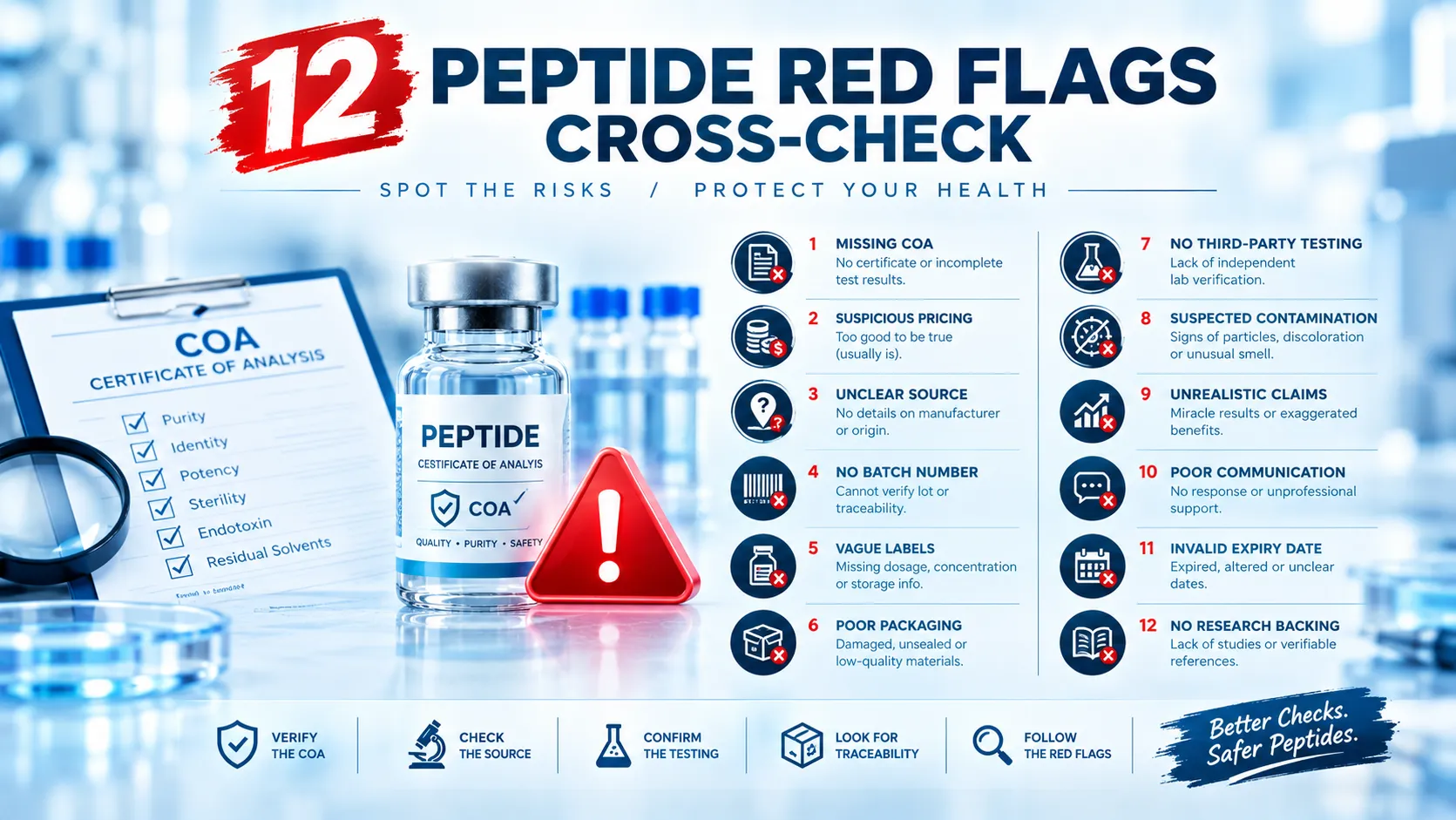
Check a peptide COA against the vial label, the issuing lab's own record, and supplier claims. 12 red flags, what to request, and what stays uncertain.
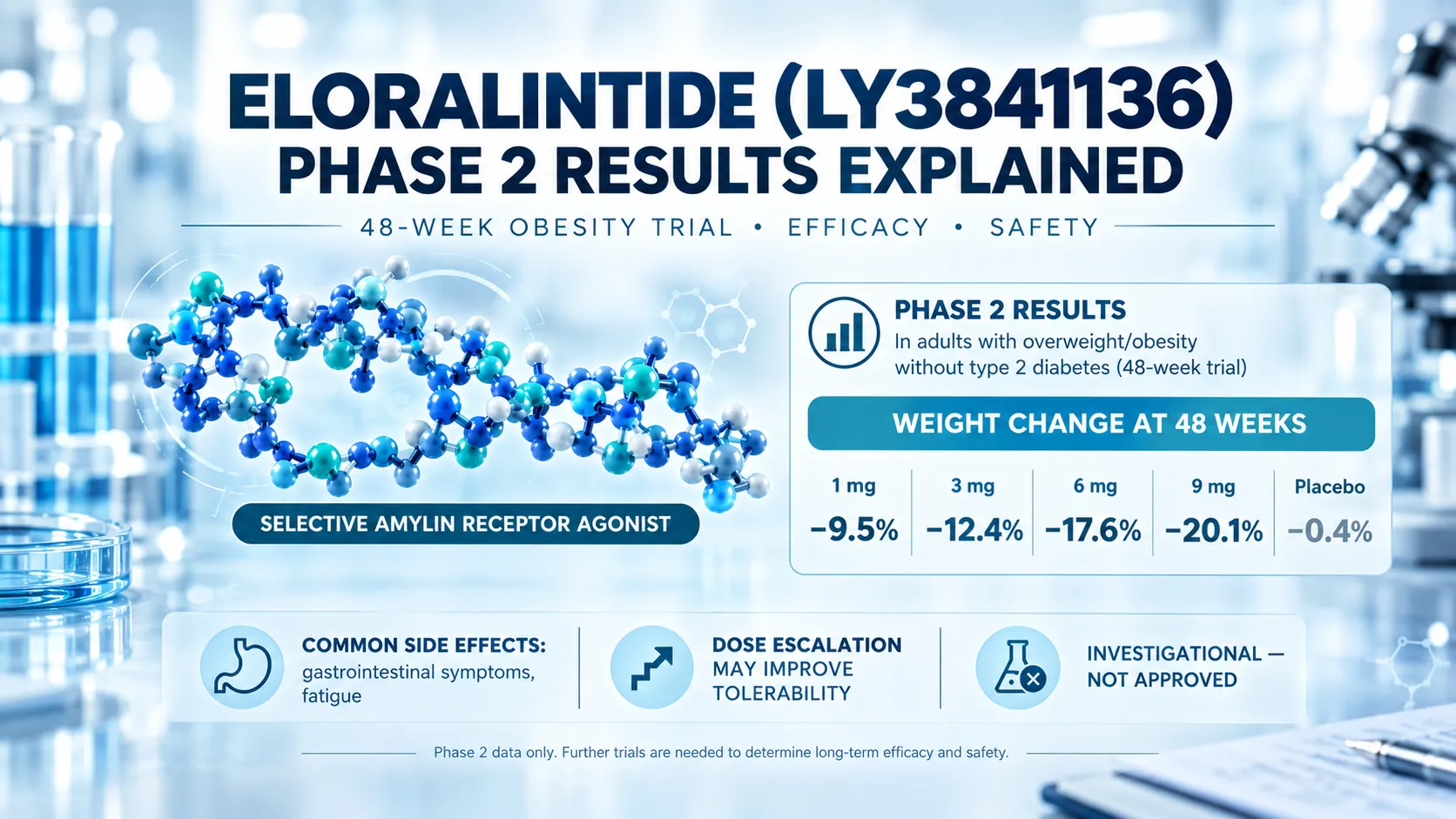
Eloralintide (LY3841136) research explained: AMY1R mechanism, Phase 1/2 trial data, safety signals, EloraTZP combination evidence, and current FDA status.
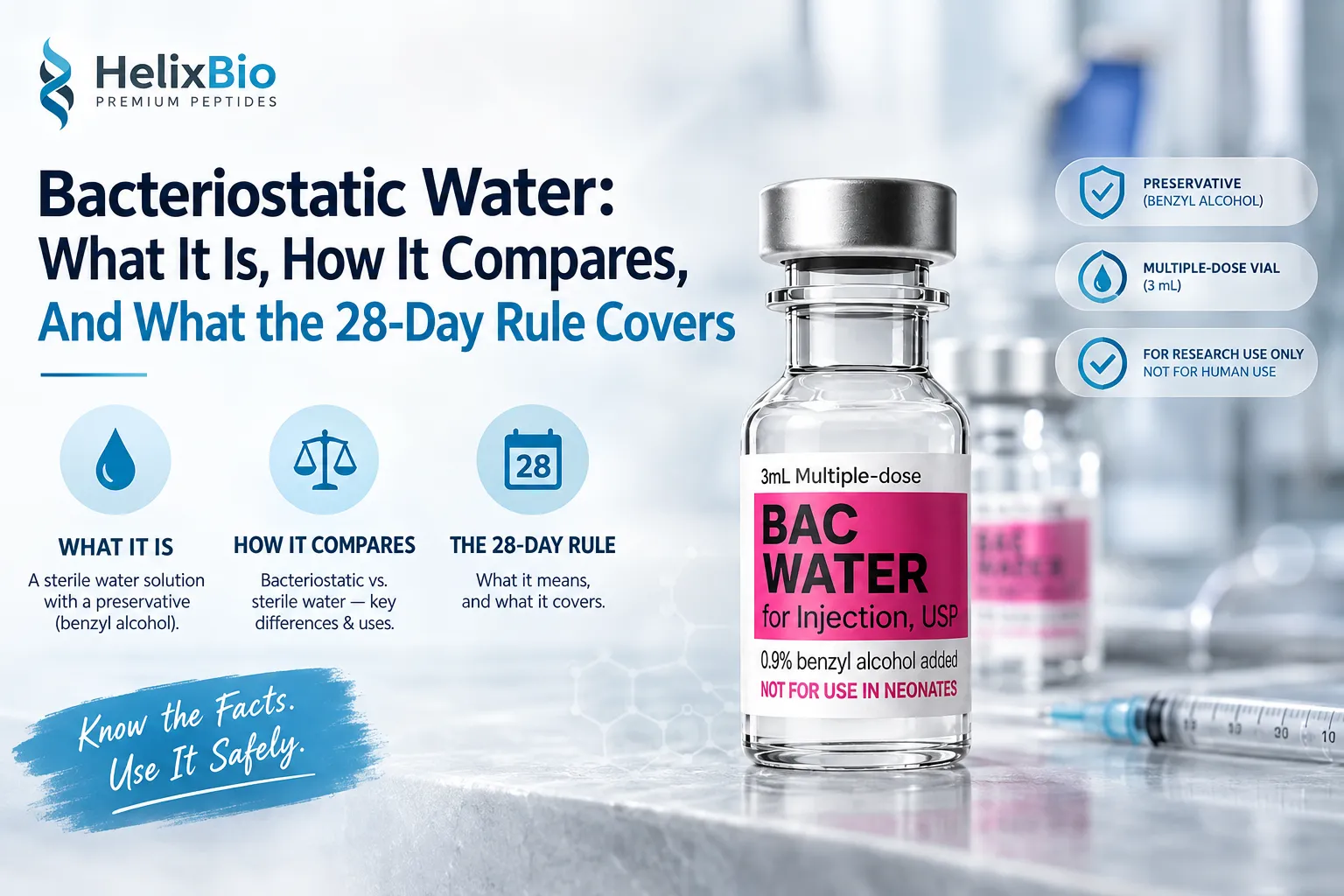
What bacteriostatic water contains, how it differs from sterile water and saline, where the 28-day opened-vial figure comes from, and what a COA can show.