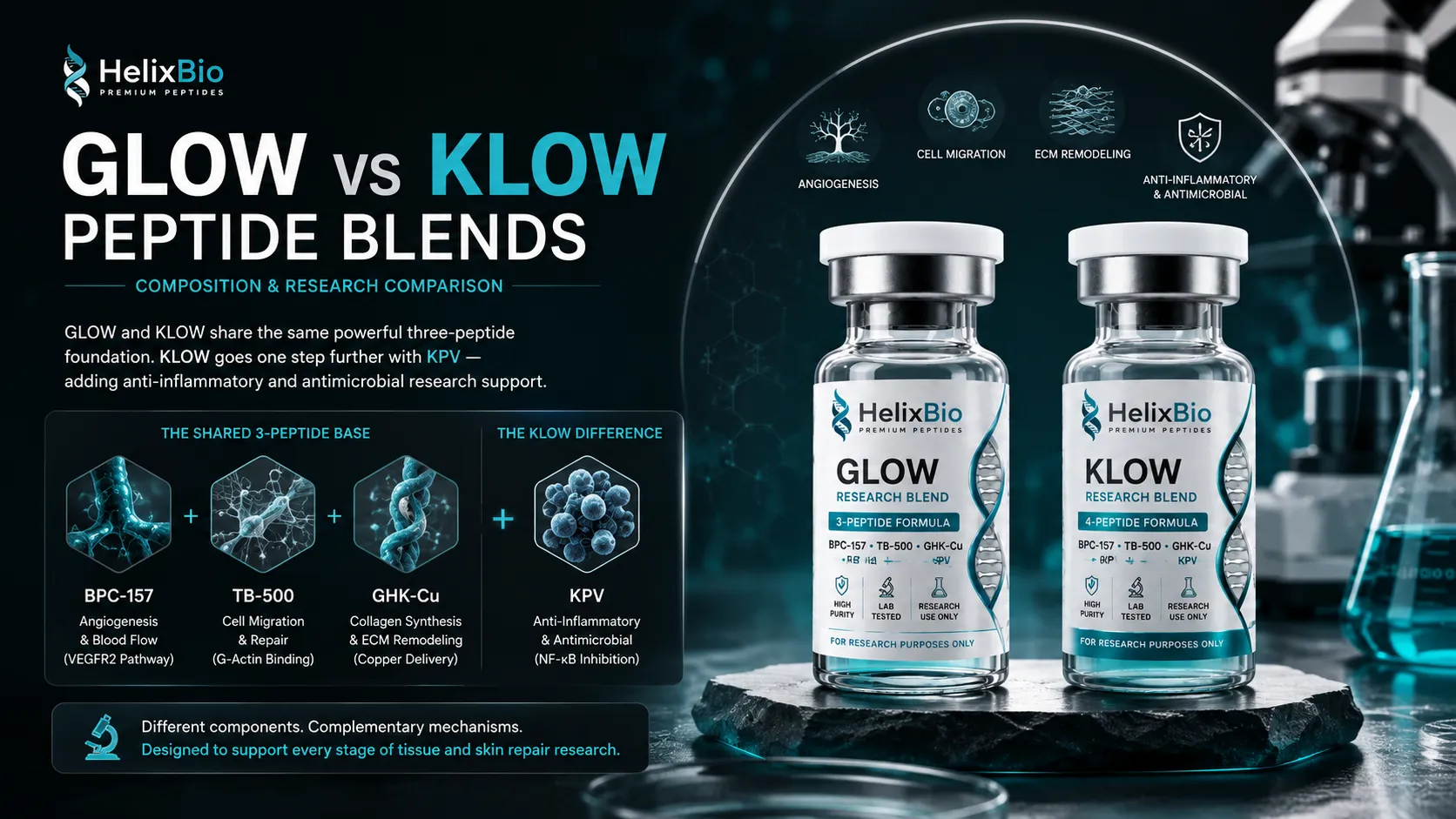
- GLOW combines BPC-157, TB-500, and GHK-Cu; KLOW is the identical three-peptide base plus KPV, added specifically for anti-inflammatory and antimicrobial research capability.
- Neither GLOW nor KLOW has been tested as a combined formulation in a published clinical trial; all evidence traces back to research on the individual component peptides.
- GHK-Cu delivers copper to extracellular matrix-remodeling enzymes including lysyl oxidase, with foundational research showing concentration-dependent increases in collagen type I and III synthesis.
- KPV inhibits NF-kB signaling and suppresses pro-inflammatory cytokines including TNF-alpha, IL-6, and IL-1beta, entering intestinal epithelial cells via the PepT1 transporter.
- KPV and its parent molecule alpha-MSH have documented antimicrobial research activity against Staphylococcus aureus and Candida albicans across a broad concentration range.
- KLOW is the more research-relevant formulation when inflammation or microbial colonization is itself a variable under study alongside structural tissue repair, such as in gut-barrier integrity research.
- Both blends are Research Use Only materials with no FDA approval or evaluated human safety and efficacy data.
GLOW and KLOW are the two most-searched compounded peptide blends in skin and tissue-repair research, and they are frequently confused for the same formulation. They are not. GLOW combines three peptides; KLOW combines the same three plus a fourth. That single difference — the addition of KPV — changes the research question a blend is suited to answer, not just its price or its name. This guide breaks down exactly what is in each blend, what the published research says about every individual component, and where the two formulations diverge in research application.
Glow
RESEARCH PEPTIDE
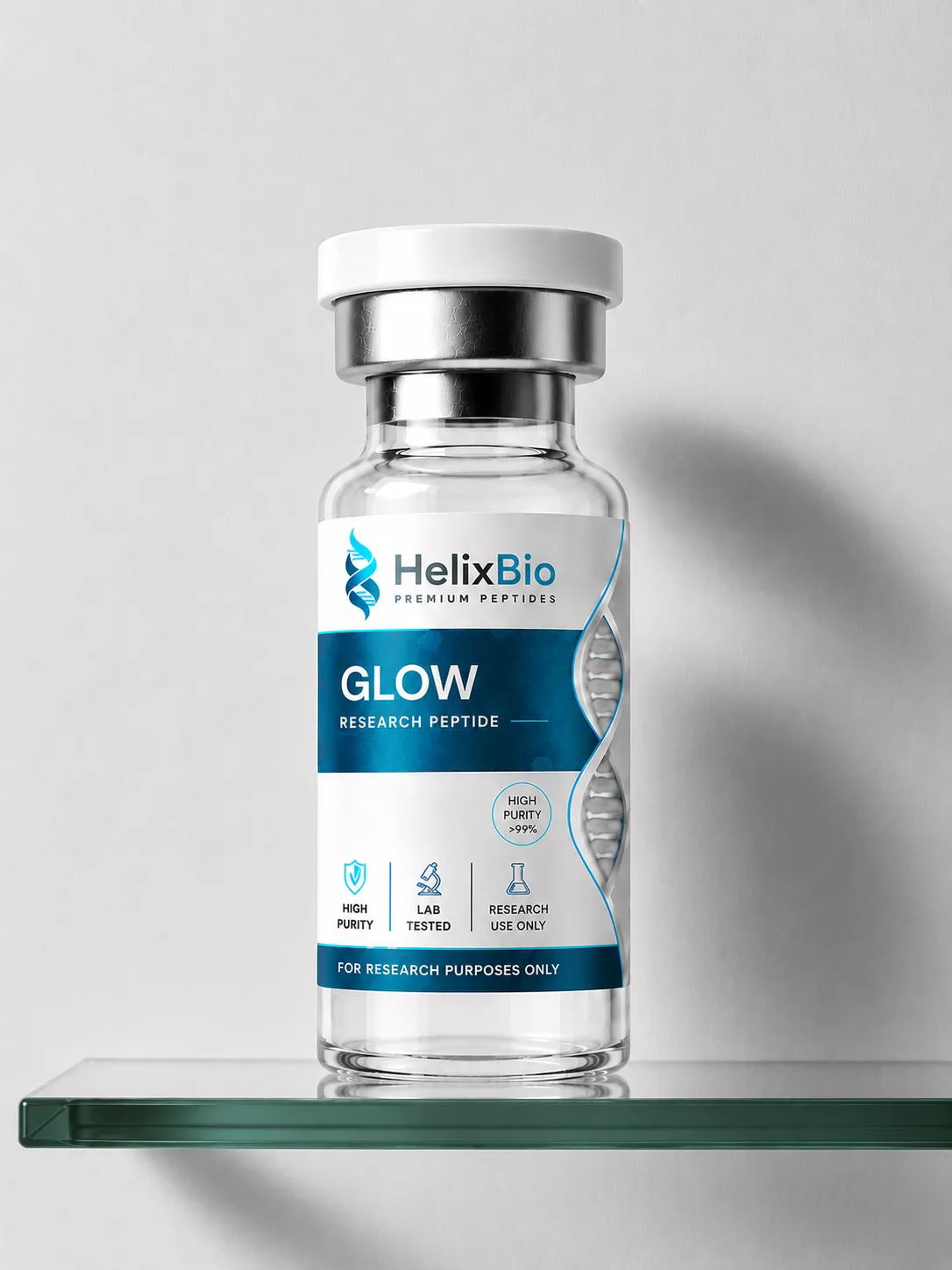
Glow is a multi-peptide research blend supplied by Helix Bio for laboratory use only. It's formulated by combining several peptides commonly referenced in dermal and skin-research literature into a single vial, rather than requiring researchers to source and combine individual compounds themselves. Researchers studying skin barrier function, fibroblast behavior, collagen-related signaling, or oxidative stress in dermal cell models use blended peptide formulations like Glow because they let a study reflect combined or synergistic effects, which is a distinct question from what a single peptide does in isolation. Helix Bio's Glow blend ships as a lyophilized powder, is tested for purity, and includes a certificate of analysis with every batch. This page covers what the blend is, how it's tested, storage guidance, and the research context around multi-peptide formulations — useful background before placing a research order.
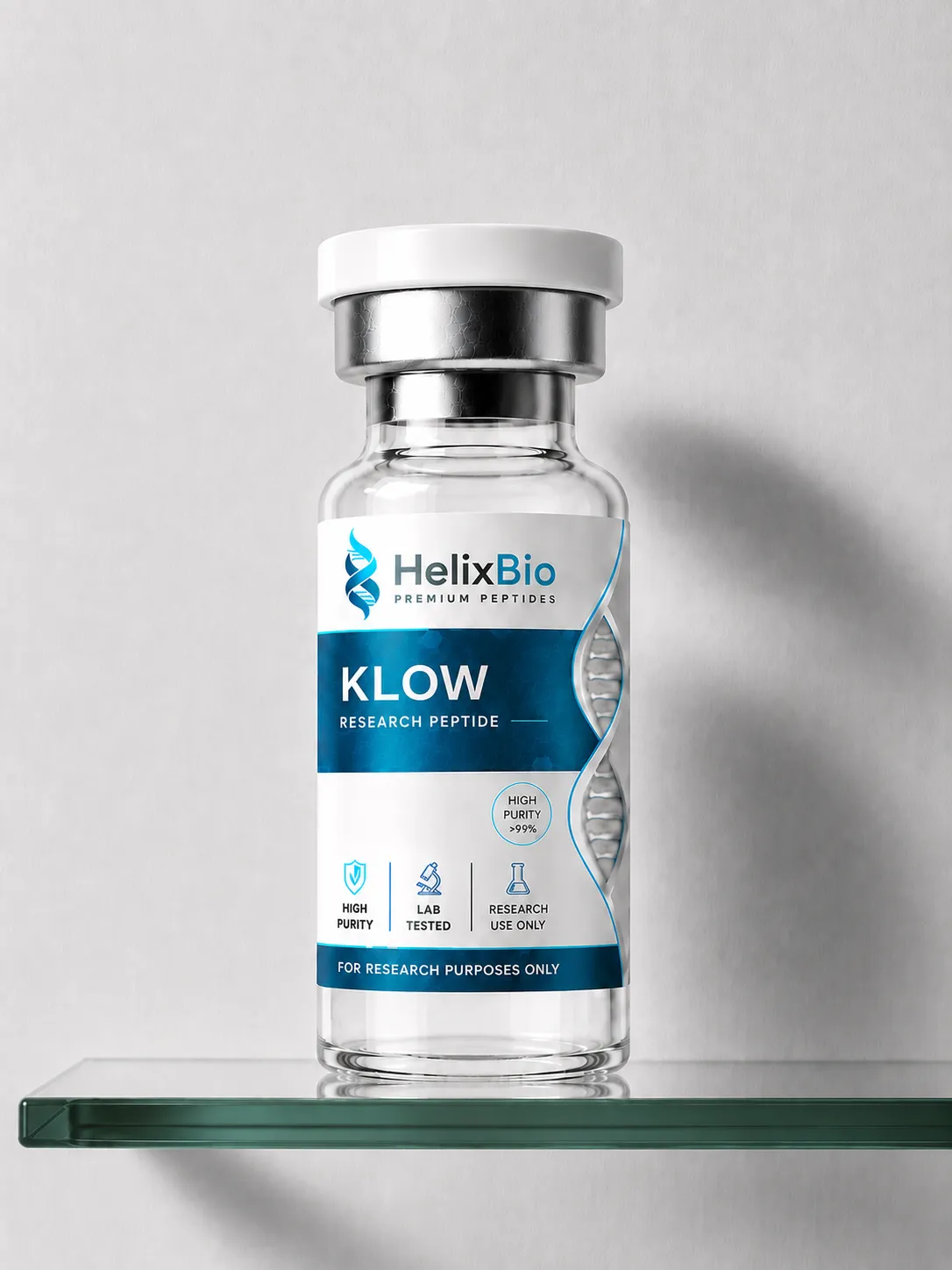
Klow
RESEARCH PEPTIDE
Klow is a multi-peptide research blend supplied by Helix Bio for laboratory use only. It combines several peptides commonly referenced in tissue-repair, recovery, and inflammation-model research literature into a single vial, rather than requiring researchers to source and combine individual compounds separately. Researchers studying cellular regeneration, inflammatory markers, soft-tissue research models, or recovery-related biomarkers use blended formulations like Klow because they let a study reflect combined effects between peptides, which is a different research question than testing one compound in isolation. Helix Bio's Klow blend ships as a lyophilized powder, is batch tested, and includes a certificate of analysis with every order. This page covers what the blend is, how it's tested, storage guidance, and how Klow relates to Helix Bio's other blend, Glow — background that's useful before placing a research order.
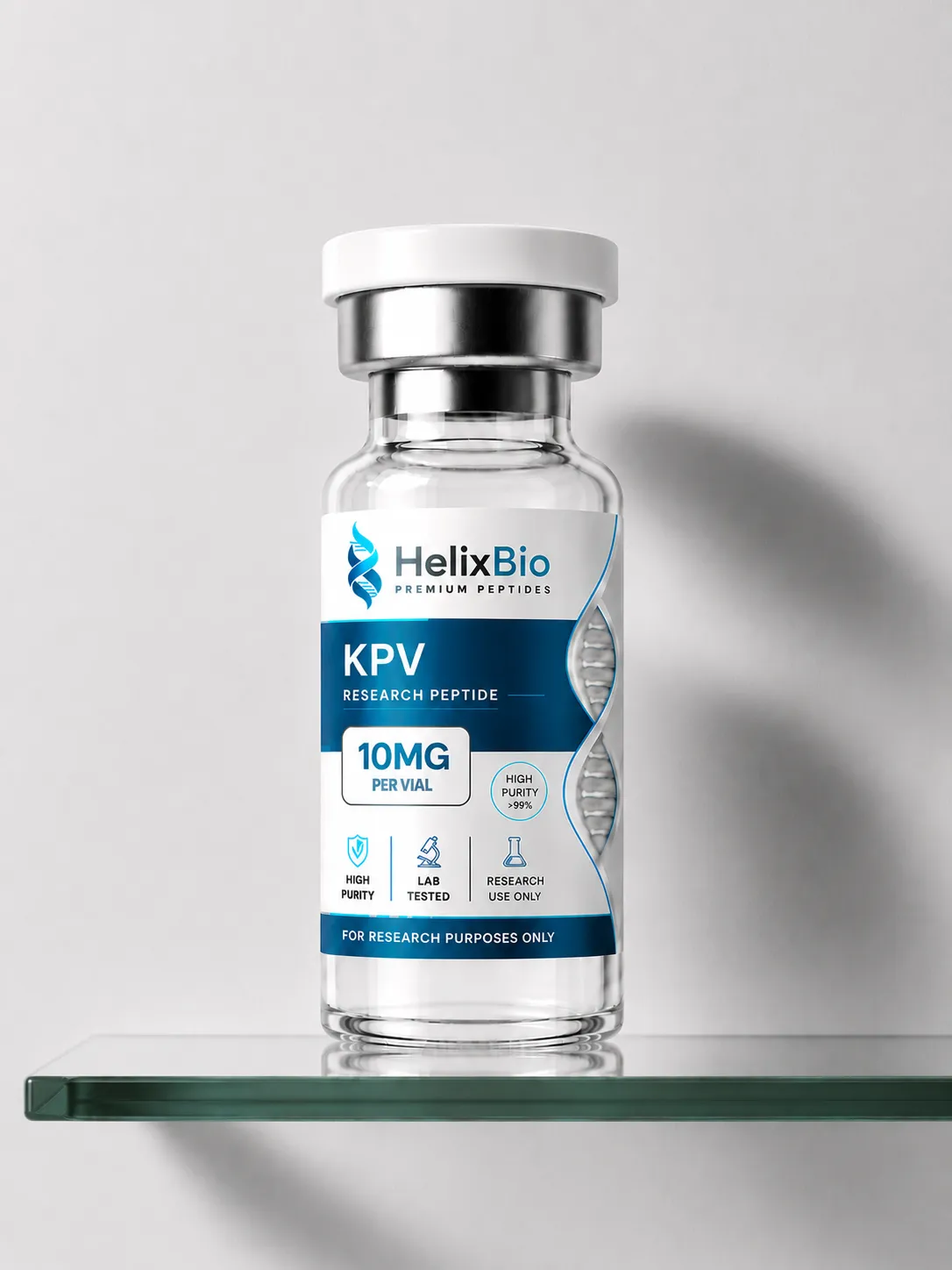
KPV
RESEARCH PEPTIDE
KPV is a small synthetic tripeptide derived from the C-terminal fragment of alpha-melanocyte-stimulating hormone (alpha-MSH). It's a compact, well-defined research compound referenced in laboratory literature examining anti-inflammatory pathways, gut barrier function, and cytokine modulation. Helix Bio's KPV is manufactured for laboratory use, supplied as a lyophilized powder, and backed by a certificate of analysis for every batch. It's intended strictly for qualified researchers, laboratories, and academic institutions — not for human or animal use.
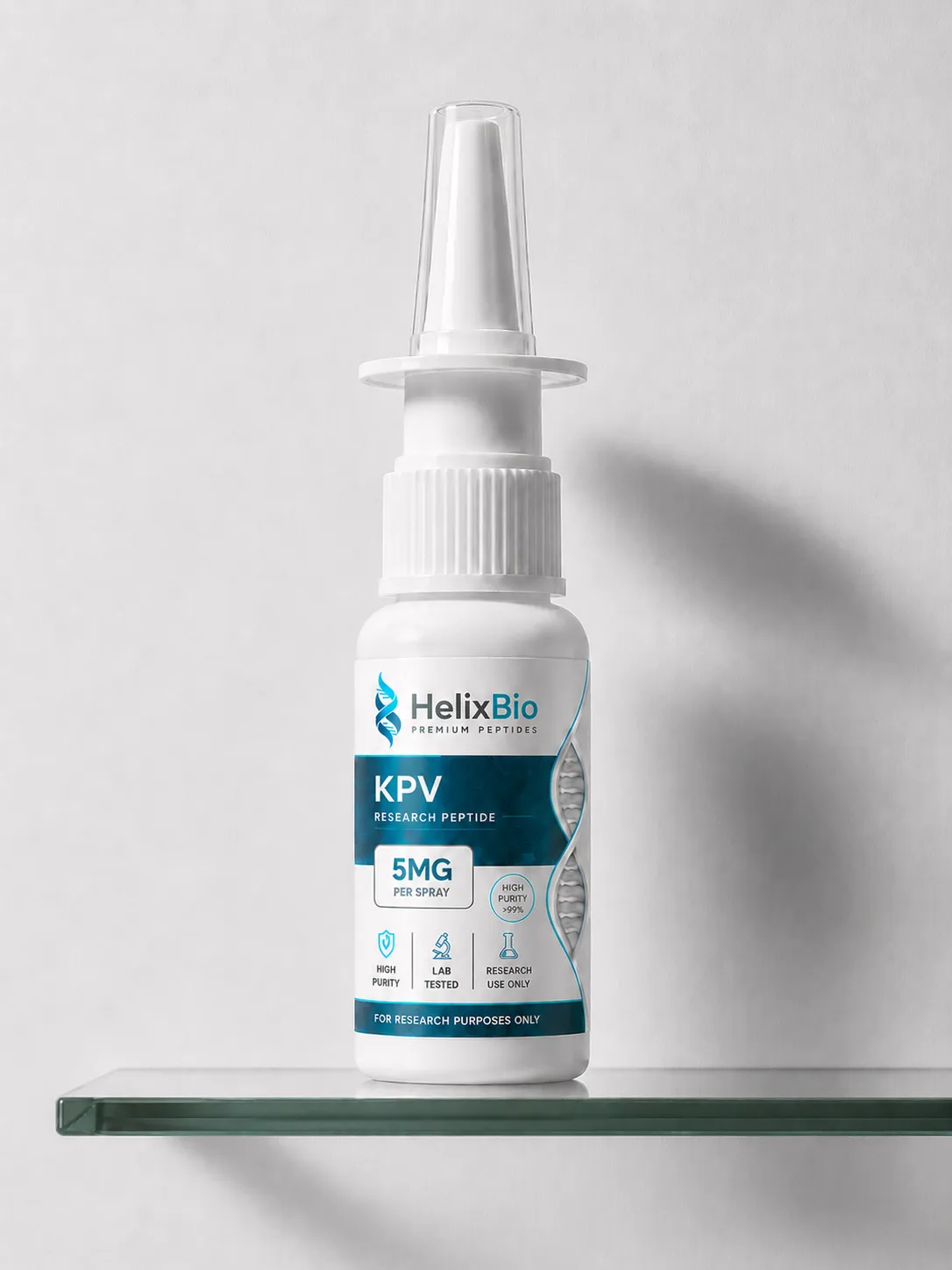
KPV Spray
RESEARCH PEPTIDE
KPV Spray is a research-use formulation containing KPV, a short tripeptide composed of lysine, proline, and valine. KPV corresponds to the C-terminal tripeptide sequence of alpha-melanocyte-stimulating hormone (α-MSH) and has been investigated in laboratory research involving peptide signaling, cellular pathways, intestinal biology, and molecular interactions. Helix Bio supplies KPV Spray strictly as a research and laboratory material. It is intended for qualified researchers and controlled experimental environments and is not intended for human or veterinary use.
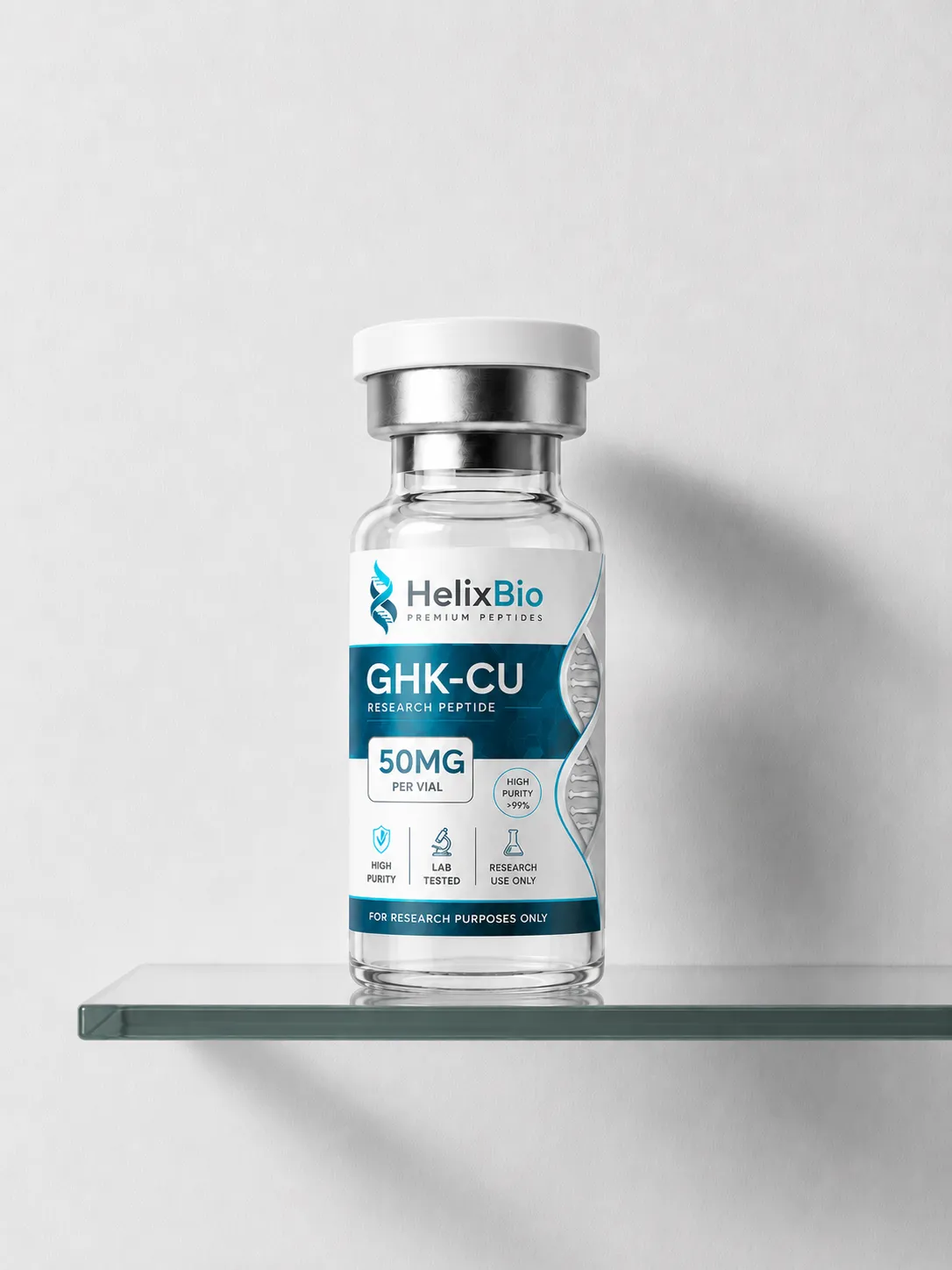
GHK-CU
RESEARCH PEPTIDE
GHK-CU (Glycyl-L-Histidyl-L-Lysine Copper) is a naturally occurring copper-binding tripeptide that has become one of the most extensively studied peptides in regenerative biology, extracellular matrix research, peptide chemistry, and cellular signaling. Researchers investigate GHK-CU in laboratory settings to better understand its interactions with biological pathways involved in tissue remodeling, cellular communication, protein regulation, and copper metabolism. Helix Bio supplies research-grade GHK-CU exclusively for laboratory, analytical, and educational research. This product is supplied strictly for research use only and is not intended for human consumption, veterinary use, therapeutic applications, or diagnostic procedures.
Neither GLOW nor KLOW has itself been the subject of a published clinical trial as a combined formulation. Every claim in this guide is traceable to research on the *individual peptides* that make up each blend — a distinction worth holding onto throughout, since blend-level marketing claims routinely outrun the evidence for the blend as a unit.
What Is Actually In Each Blend
Component | Primary Mechanism | In GLOW | In KLOW |
|---|---|---|---|
VEGFR2-Akt-eNOS angiogenic signaling | Yes | Yes | |
G-actin sequestration, cell migration | Yes | Yes | |
Copper delivery to ECM-remodeling enzymes | Yes | Yes | |
KPV | NF-κB inhibition, antimicrobial activity | No | Yes |
GLOW is the three-peptide base formulation: BPC-157, TB-500, and GHK-Cu, combined on the premise that angiogenesis, cell migration, and extracellular matrix remodeling are complementary steps in tissue and skin repair research. KLOW is GLOW plus KPV, added specifically to introduce anti-inflammatory and antimicrobial research capability that the base three-peptide formula does not address on its own.
Why Compounded Multi-Peptide Blends Emerged
Single-peptide research has historically dominated the literature, since isolating one compound's effect is the cleanest way to attribute a result to a specific mechanism. Compounded blends like GLOW and KLOW emerged from a different, more applied research motivation: recovery and dermatology researchers repeatedly observed that BPC-157, TB-500, and GHK-Cu were being studied together in overlapping protocols anyway, because their proposed mechanisms address sequential phases of tissue repair rather than competing explanations for the same effect. Compounding them into a single formulation reduces the number of separate reconstitutions and injections a research protocol requires, at the cost of losing the ability to attribute an observed effect to any one component without additional controls.
For a full mechanistic breakdown of BPC-157 and TB-500 individually — including a head-to-head comparison of their distinct signaling pathways — see our dedicated guide to BPC-157 vs TB-500. That comparison is not repeated in full here; this guide focuses on what changes when GHK-Cu and KPV are added to the mix.
GHK-Cu: The Shared Collagen and Elasticity Component
GHK-Cu (glycyl-L-histidyl-L-lysine bound to copper) is the peptide both blends have in common with each other but not with the standalone BPC-157/TB-500 research literature. It is a naturally occurring copper-binding tripeptide first identified in human plasma, where its concentration declines substantially with age — a pattern researchers have connected to the body's reduced capacity to repair skin and connective tissue over time.
Mechanism: Copper Delivery to Matrix-Remodeling Enzymes
GHK-Cu's core research mechanism is delivering copper to enzymes that regulate extracellular matrix (ECM) production, most notably lysyl oxidase, which crosslinks collagen and elastin. Foundational research published in *Archives of Biochemistry and Biophysics* found that GHK-Cu produced concentration-dependent increases in collagen type I and III mRNA in a rat wound-chamber model, with collagen synthesis stimulation reaching roughly twice the rate of non-collagen protein synthesis compared to saline controls — one of the earliest direct demonstrations that the peptide selectively upregulates matrix-building pathways rather than acting as a generic growth stimulant.
GHK-Cu's research profile is broader than skin alone: subsequent review literature has documented effects on wound healing, hair follicle size, and antioxidant enzyme activity, all traced back to the same copper-delivery and gene-modulation mechanism. Our dedicated [GHK-Cu dosage and benefits guide](/ghk-cu-dosage-benefits-copper-peptides-skin-hair-tissue-repair) covers this mechanism in full depth, including in vitro concentration ranges and reconstitution protocols.
BPC-157 and TB-500: The Shared Tissue-Repair Backbone
Both blends inherit their tissue-repair rationale from BPC-157 and TB-500, which act through entirely different, non-overlapping mechanisms: BPC-157 through VEGFR2-driven angiogenic signaling, and TB-500 through reversible G-actin sequestration that governs cell migration. Because these two mechanisms address different steps of tissue repair — restoring blood supply versus enabling cells to physically migrate to an injury site — combining them is a common research design choice, and the same rationale carries into both GLOW and KLOW. Researchers who need the full mechanistic detail on either compound, including the specific published tendon and cardiac-repair studies behind them, should reference our BPC-157 vs TB-500 comparison and our broader BPC-157, TB-500, and GHK-Cu tissue repair synergy guide.
KPV: The Component That Separates KLOW From GLOW
KPV is a tripeptide (Lys-Pro-Val) corresponding to the carboxy-terminal fragment of alpha-melanocyte-stimulating hormone (α-MSH), residues 11–13. It is the only component in either blend whose primary research value is immune modulation rather than structural tissue repair.
NF-κB Inhibition and Cytokine Suppression
KPV's principal studied mechanism is inhibition of nuclear factor kappa B (NF-κB), the master transcriptional regulator of inflammatory gene expression. By blocking NF-κB activation, research models show KPV suppresses downstream production of pro-inflammatory cytokines including TNF-alpha, IL-6, and IL-1β. In intestinal epithelial cells and T cells specifically, KPV is taken up via the PepT1 peptide transporter, where it suppresses NF-κB and MAPK signaling to reduce inflammatory cytokine output at the point of uptake — a transporter-mediated entry mechanism that is distinct from how BPC-157, TB-500, or GHK-Cu are studied to act.
Antimicrobial Activity
Independent of its anti-inflammatory signaling, KPV and its parent molecule alpha-MSH have documented antimicrobial research activity against *Staphylococcus aureus* and *Candida albicans*, active across a broad concentration range including physiological (picomolar) levels. A modified dimeric form of the peptide has shown enhanced anti-*Candida* activity in a macrophage polarization model, and separate research has examined alpha-MSH peptides in combination with conventional antibiotics against methicillin-resistant *Staphylococcus aureus* (MRSA). This dual anti-inflammatory-and-antimicrobial profile is the entire reason KPV is added to the base GLOW formula to produce KLOW.
No registered clinical trials exist for KPV as a standalone compound, and no clinical trial exists for KLOW as a combined formulation. All KPV evidence to date comes from in vitro and animal-model research, which does not establish equivalent effects or safety in humans. Both blends remain Research Use Only materials.
GLOW vs KLOW: Head-to-Head Comparison
Research Parameter | GLOW | KLOW |
|---|---|---|
Peptide count | 3 (BPC-157, TB-500, GHK-Cu) | 4 (adds KPV) |
Angiogenesis research | Yes (BPC-157) | Yes (BPC-157) |
Cell migration research | Yes (TB-500) | Yes (TB-500) |
ECM/collagen research | Yes (GHK-Cu) | Yes (GHK-Cu) |
Anti-inflammatory (NF-κB) research | No | Yes (KPV) |
Antimicrobial research | No | Yes (KPV) |
Gut-barrier/intestinal research relevance | Limited | Stronger (KPV + BPC-157 gut mechanisms overlap) |
Best-supported research framing | Structural tissue and skin repair | Structural repair plus immune/microbial modulation |
Why KPV Changes the Research Question, Not Just the Formula
The practical distinction between the two blends is not "KLOW is stronger" — it is that KLOW is designed to answer a different research question. GLOW's three components all address structural tissue rebuilding: new blood vessels, cell migration, and matrix protein synthesis. KPV addresses a fourth, separate axis entirely — immune signaling and microbial load — that becomes relevant specifically in research contexts where inflammation or infection risk is a confounding variable in tissue-repair outcomes, such as gut-barrier integrity research or chronic wound models where bacterial colonization complicates healing measurements.
Research Applications: Choosing Between the Two
GLOW is the more appropriate research formulation when:
- The research question is purely structural — angiogenesis, cell migration, or collagen synthesis — without an inflammatory or microbial confound to control for. Keeping the formulation to three mechanistically distinct components makes it easier to reason about which pathway is driving an observed result.
- A simpler three-variable model is preferred for cleaner mechanistic attribution, particularly in early-stage protocol design where the research group has not yet established baseline effects for any of the individual peptides.
- Skin-specific research is the primary objective, since GHK-Cu — identical in both blends — carries the strongest and most direct skin-research literature of any component in either formulation.
KLOW is the more appropriate research formulation when:
- The research model involves gut-barrier integrity, where BPC-157's gastric-protective origin and KPV's NF-κB/PepT1-mediated gut mechanism are both directly relevant and mechanistically complementary rather than redundant.
- Inflammation or microbial colonization is itself a variable under study alongside structural repair, such as chronic wound models where bacterial load is known to slow healing independent of angiogenesis or migration.
- The research protocol specifically wants to test whether adding immune modulation changes tissue-repair outcomes compared to the three-peptide base — in which case GLOW and KLOW can function as a natural comparator pair within the same study design.
- Skin research specifically involves an inflammatory dermatological model (such as eczema or psoriasis-adjacent research), where KPV's anti-inflammatory mechanism is directly relevant in addition to GHK-Cu's structural effects.
Reconstitution and Handling for Multi-Peptide Blends
Compounded multi-peptide blends carry the same fundamental reconstitution principles as single-compound vials — bacteriostatic water introduced slowly down the vial wall, gentle swirling rather than shaking, and refrigerated storage of the reconstituted solution within its documented stability window — but with less published literature on how four peptides behave together in solution over time compared to any one of them alone. Each of the four peptides has a different individual stability profile: GHK-Cu is a stable copper complex across a wide pH range, BPC-157 and TB-500 are both generally described as stable when refrigerated and protected from light, and KPV, as a short unmodified tripeptide, has a comparatively narrower published stability window than the larger compounds it is mixed with. A compounded blend's overall shelf life should be governed by whichever component degrades fastest, not by the average of all four. Our peptide reconstitution guide covers the underlying technique and solvent selection principles that apply to blends as much as single compounds, and our guide to common peptide storage mistakes covers the handling errors most likely to affect a multi-component formulation's stability.
Because a compounded blend combines multiple peptides with potentially different individual stability profiles, request and review the batch-specific certificate of analysis for the finished blend, not just for its individual components. Our guide to [reading a peptide certificate of analysis](/how-to-read-peptide-certificate-of-analysis) explains what a complete COA should document.
Compliance and Evidence Context
GLOW and KLOW are supplied strictly as Research Use Only laboratory materials, consistent with the regulatory status of every individual peptide that composes them. Neither blend is FDA-approved, evaluated for safety or efficacy in humans, or intended for any application outside laboratory research. It is also worth noting that BPC-157 and TB-500 were both subjects of the FDA's July 2026 Pharmacy Compounding Advisory Committee vote recommending their addition to the federal 503A Bulks List — a non-binding recommendation covering compounding-pharmacy eligibility, not a change to their current RUO classification. Our guide on whether research peptides are legal in the USA covers what that distinction actually means in practice. It bears repeating that the evidence underlying both formulations comes entirely from research on their individual components — BPC-157, TB-500, GHK-Cu, and, for KLOW, KPV — rather than from any study of the combined formulation itself. Researchers designing protocols around either blend should treat the combination's overall effect as a hypothesis under investigation, not an established finding, and should document individual-component evidence separately from blend-level research claims in any resulting publication.
Conclusion
GLOW and KLOW are compounded research formulations built on genuinely different mechanistic premises once KPV enters the picture. GLOW answers a structural-repair question: angiogenesis, migration, and matrix synthesis working together. KLOW answers that same question plus a distinct immune-modulation question layered on top. Choosing between them should be driven by whether inflammation or microbial load is a variable the research protocol actually needs to address — not by an assumption that more peptides automatically means a more effective blend.
Frequently Asked Questions
GLOW contains three peptides: BPC-157, TB-500, and GHK-Cu. KLOW contains the identical three peptides plus a fourth, KPV, which is added specifically for its anti-inflammatory and antimicrobial research properties.
No. Neither GLOW nor KLOW has been the subject of a published clinical trial as a combined formulation. All available evidence comes from research on the individual peptides that make up each blend, studied separately.
KPV inhibits NF-kB signaling, suppressing pro-inflammatory cytokines like TNF-alpha, IL-6, and IL-1beta, and has documented antimicrobial research activity against Staphylococcus aureus and Candida albicans. None of GLOW's three base peptides target immune signaling or microbial activity in this way.
Yes. GHK-Cu's role and mechanism are identical in both blends - it delivers copper to extracellular matrix-remodeling enzymes and stimulates collagen synthesis. Adding KPV to make KLOW does not change what GHK-Cu contributes.
This is a common research approach, but combining separately-sourced peptides into one vial introduces additional variables around concentration accuracy and stability that a pre-compounded blend is formulated to control for. Researchers taking this approach should independently verify combined concentration and document it alongside each component's certificate of analysis.
GHK-Cu carries the strongest skin-specific evidence in both blends, with published research showing concentration-dependent collagen synthesis increases. Since GHK-Cu is present identically in GLOW and KLOW, skin-specific research support does not meaningfully differ between the two - KPV's added value is immune and microbial, not dermatological.
Real preclinical research supports it. Alpha-MSH and its KPV fragment have shown inhibitory activity against Staphylococcus aureus and Candida albicans across a broad concentration range in published studies, and a modified dimeric form has shown enhanced anti-Candida activity in a macrophage polarization model. However, no registered clinical trials exist for KPV in humans.
NF-kB is a master transcriptional regulator of inflammatory gene expression. By inhibiting NF-kB activation, KPV research models show reduced downstream production of pro-inflammatory cytokines, which is the mechanistic basis for studying KPV in inflammatory and gut-barrier research contexts.
Compounded blend formulations specify their own per-component concentrations, which may differ from how BPC-157 or TB-500 are dosed as standalone research compounds. Researchers should always confirm the specific concentration of each component from the blend's certificate of analysis rather than assuming it matches standalone product concentrations.
KLOW is the more mechanistically relevant choice for gut-barrier research, since KPV is taken up via the PepT1 transporter directly in intestinal epithelial cells and BPC-157 originates from a gastric-protective protein, giving the combination two components with documented gut-relevant mechanisms rather than one.
Combining multiple peptides in a single formulation introduces more variables for stability and interaction than a single-compound vial, and published literature on multi-peptide stability specifically is limited compared to single-compound stability data. Researchers should request stability data or a batch-specific certificate of analysis for the combined formulation rather than assuming individual-component stability data applies unchanged.
A complete COA for a compounded blend should confirm the identity and concentration of every individual component, not just an aggregate purity figure, since each peptide in the mix requires its own HPLC and mass spectrometry verification. Researchers should record the lot number of the finished blend alongside the underlying component data in their experimental log.
- 01Maquart FX, et al. In vivo stimulation of connective tissue accumulation by the tripeptide-copper complex glycyl-L-histidyl-L-lysine-Cu2+. Archives of Biochemistry and Biophysics, 1993;306(1):237-242. PMID: 8227353.
- 02Pickart L. The human tri-peptide GHK and tissue remodeling. Journal of Biomaterials Science, Polymer Edition, 2008;19(7):929-947. PMID: 18644225.
- 03Catania A, et al. The neuropeptide alpha-MSH in host defense. Annals of the New York Academy of Sciences. PMID: 11268348.
- 04Antimicrobial effects of alpha-MSH peptides. PMID: 10670585.
- 05The Synthetic Melanocortin (CKPV)2 Exerts Anti-Fungal and Anti-Inflammatory Effects against Candida albicans Vaginitis via Inducing Macrophage M2 Polarization. PLOS ONE.
- 06Combination of Alpha-Melanocyte Stimulating Hormone with Conventional Antibiotics against Methicillin Resistant Staphylococcus aureus. PMC3767696.
- 07PepT1-Mediated Tripeptide KPV Uptake Reduces Intestinal Inflammation.
Helix Bio Chem Team
Research & Product Team
Our in-house team tracks published peptide research and translates it into clear, source-cited summaries for the research community.
Reviewed by in-house research chemists
support@helixbiochem.com