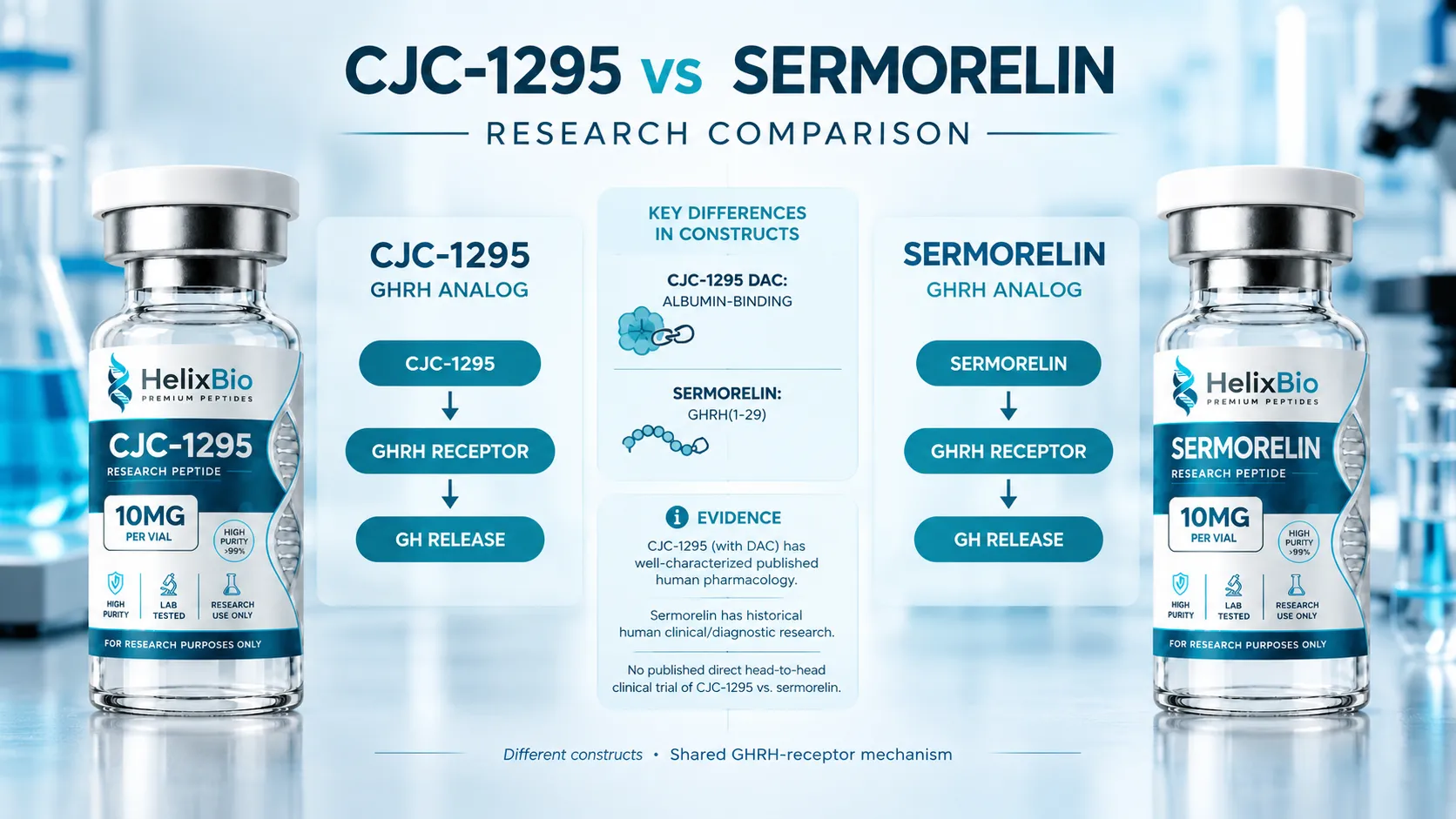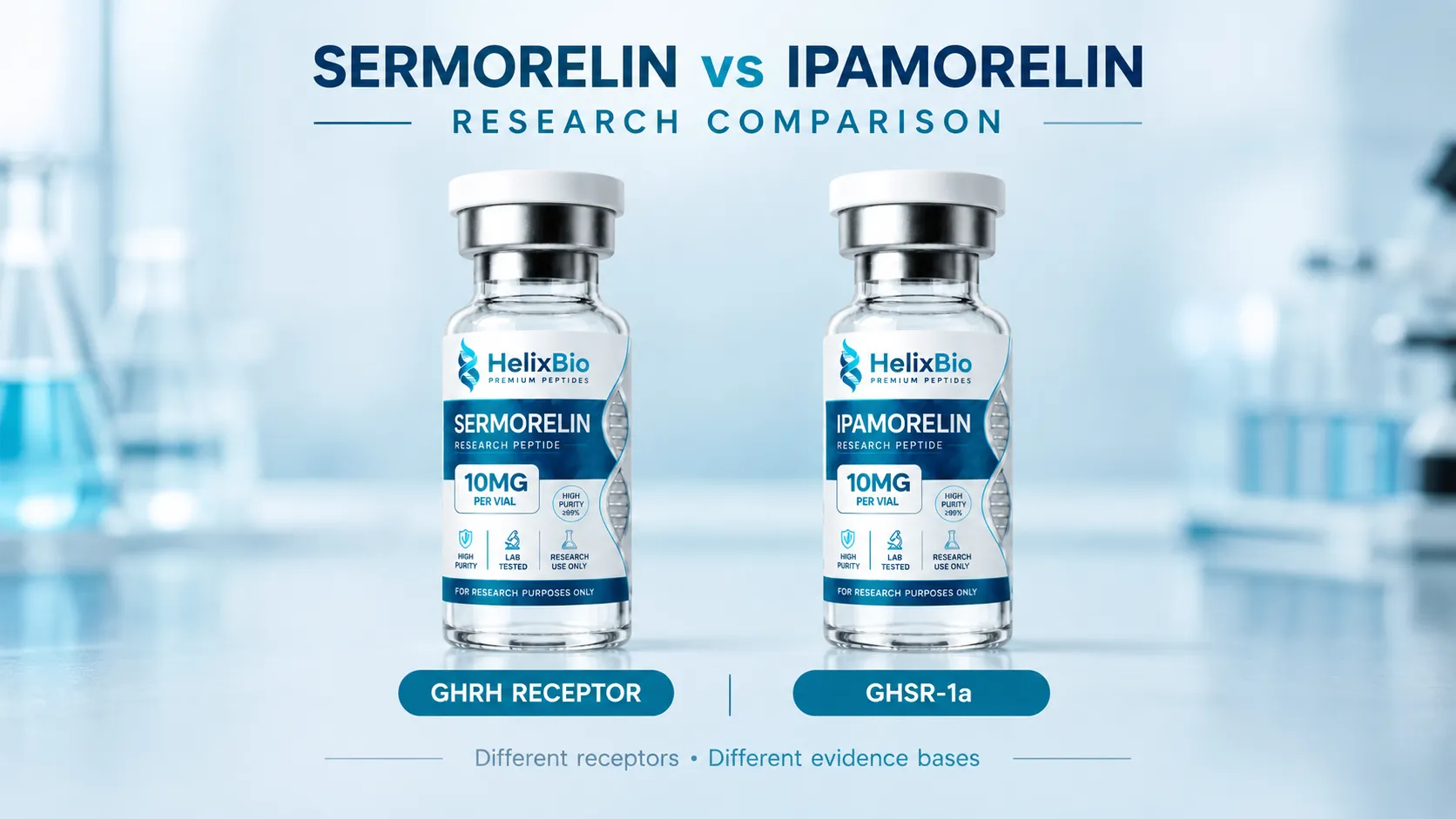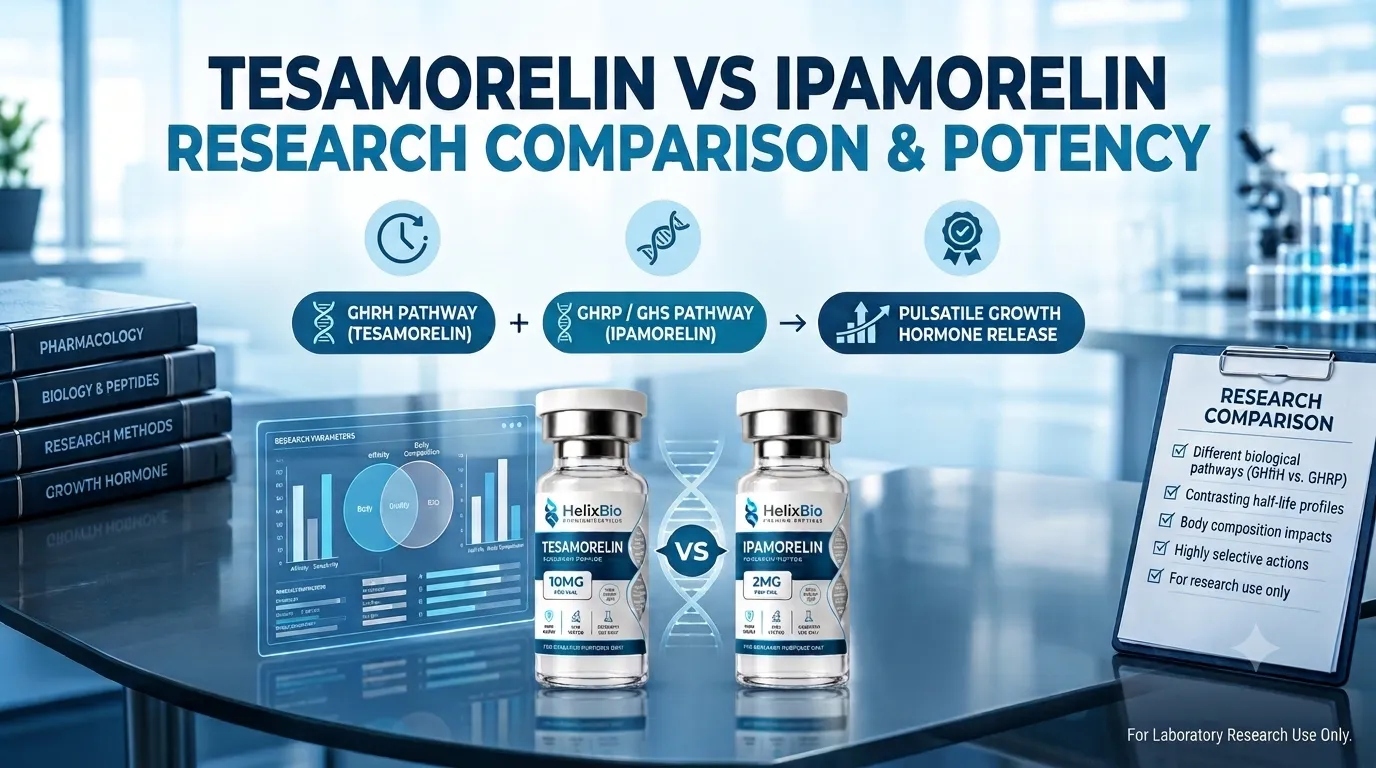
- Combining two agonists that act on the same receptor produces no additive effect and risks receptor desensitization through GPCR internalization and beta-arrestin recruitment.
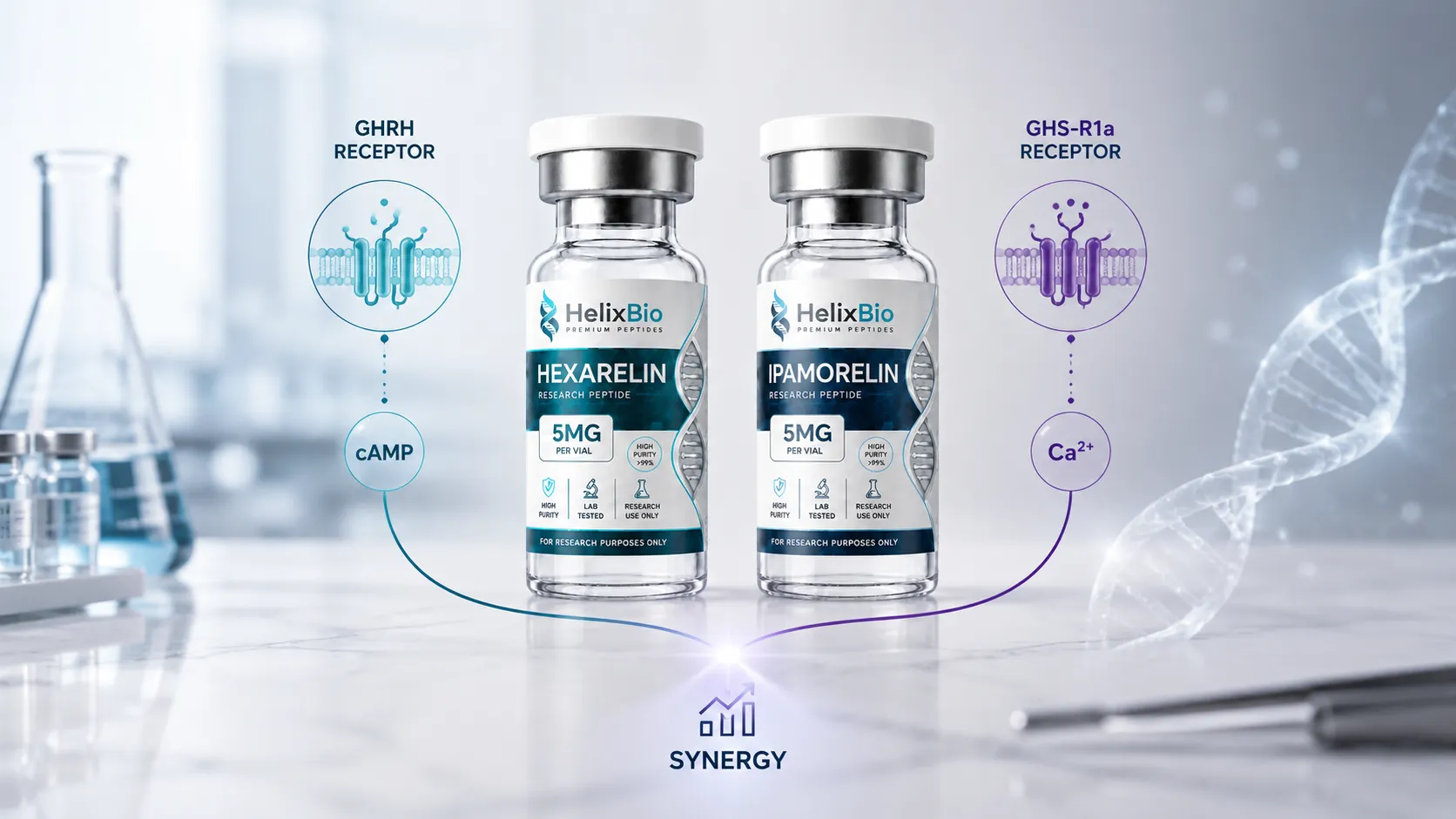
- GHRH analogs act at the Gs-coupled GHRH receptor while GHRPs act at the Gq-coupled GHS-R1a receptor, which is the mechanistic basis for their documented synergy in growth hormone release.
- Combined GHRH plus GHRP-6 administration produced a mean plasma GH peak of 76.7 micrograms per liter in normal subjects, a potentiating response exceeding either compound alone.
- No published randomized controlled trial has tested the CJC-1295 and Ipamorelin combination against either compound administered alone.
- BPC-157 signaling is characterized through VEGFR2 upregulation, internalization, and Akt-eNOS activation, while TB-500 acts through G-actin sequestration and cytoskeletal regulation.
- No published study has compared BPC-157 plus TB-500 against either compound alone in the same model.
- The CagriSema REDEFINE 1 trial randomized 3,417 adults across four arms and reported 22.7 percent mean weight reduction for the combination versus 16.1 percent for semaglutide alone and 11.8 percent for cagrilintide alone on the trial product estimand.
- Combination research designs require monotherapy comparator arms, because a combination-only result cannot be attributed to any individual component.
A peptide stacking guide is only useful if it starts from a receptor map. Most combination advice runs the other direction: pick a goal, list the compounds associated with that goal, and assume the effects add up. Receptor pharmacology does not cooperate with that assumption. Whether two research compounds produce an additive response, no additional response, or a blunted one depends mostly on a single question. Do they act through separate receptor systems, or do they compete for the same one? This guide sorts research peptide combinations by mechanism and draws a hard line between the pairings supported by direct experimental evidence and the ones resting on inference alone.
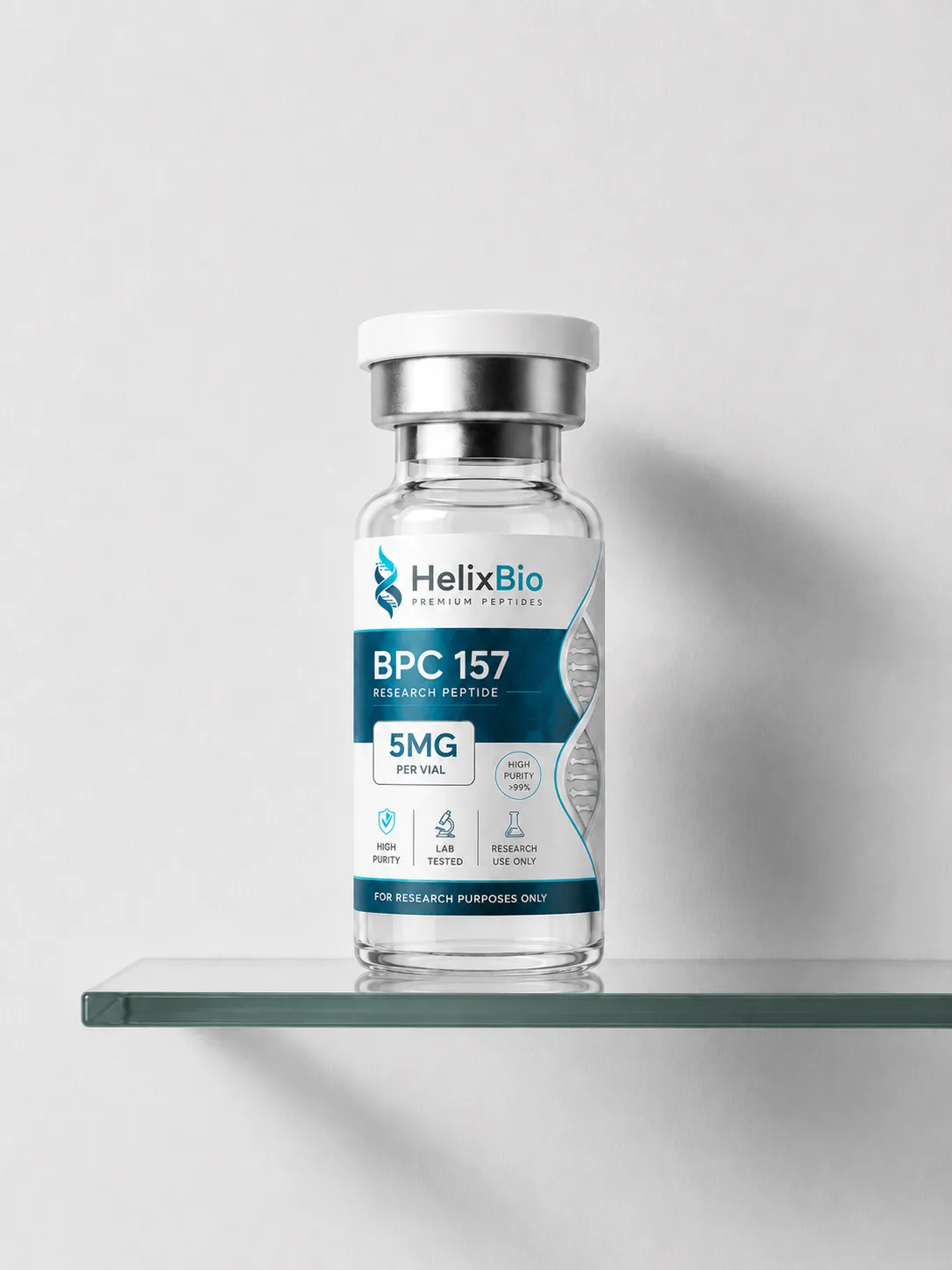
BPC-157
RESEARCH PEPTIDE
BPC-157 is a synthetic pentadecapeptide, a short chain of 15 amino acids derived from a protective protein found in gastric juice. It's one of the most widely studied research peptides in the biotech space, referenced across laboratory literature on tissue repair, angiogenesis, and gastrointestinal research models. Helix Bio's BPC-157 is manufactured for laboratory use, supplied as a lyophilized powder, and backed by a certificate of analysis for every batch. It's intended strictly for qualified researchers, laboratories, and academic institutions — not for human or animal use.
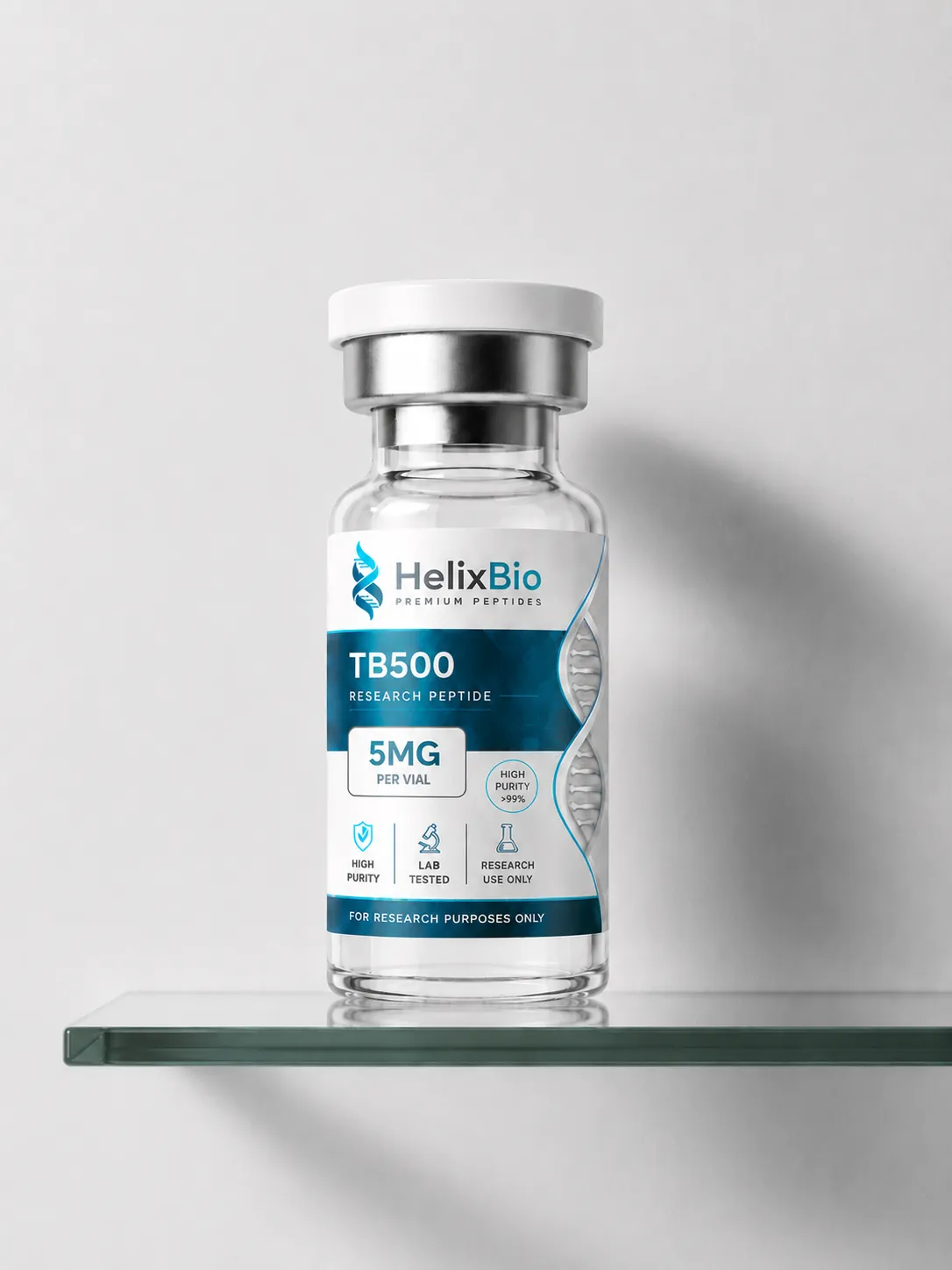
TB-500
RESEARCH PEPTIDE
TB-500 is a synthetic peptide fragment derived from Thymosin Beta-4, a naturally occurring protein involved in actin regulation within cells. It's one of the most referenced research peptides in laboratory literature on cell migration, angiogenesis, and tissue repair models. Helix Bio's TB-500 is manufactured for laboratory use, supplied as a lyophilized powder, and backed by a certificate of analysis for every batch. It's intended strictly for qualified researchers, laboratories, and academic institutions studying cellular repair mechanisms — not for human or animal use.
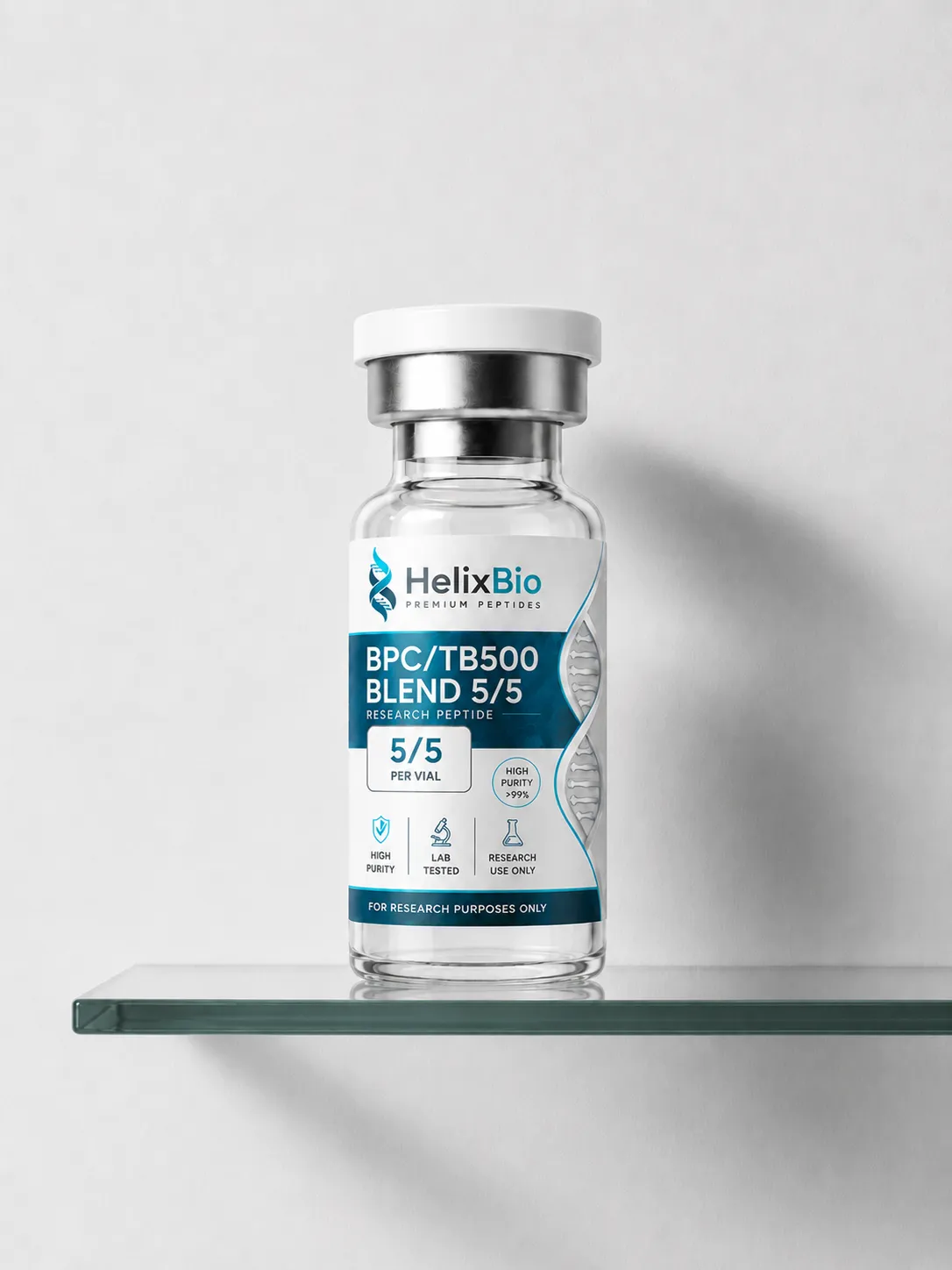
BPC-157 / TB-500 Blend
RESEARCH PEPTIDE
The BPC-157/TB-500 blend combines two of the most studied research peptides — BPC-157, a synthetic pentadecapeptide derived from gastric juice, and TB-500, a synthetic fragment of Thymosin Beta-4 — into a single pre-measured vial. Researchers use blended vials like this to simplify combined-pathway study protocols instead of reconstituting and dosing two separate compounds. Helix Bio's blend is manufactured for laboratory use, supplied as a lyophilized powder with a clearly labeled mg-per-compound ratio, and backed by a certificate of analysis for every batch. It's intended strictly for qualified researchers and laboratories — not for human or animal use.
CJC-1295 / Ipamorelin
RESEARCH PEPTIDE
CJC-1295/Ipamorelin is a research peptide combination pairing a GHRH (growth hormone-releasing hormone) analog with a selective GHRP (growth hormone-releasing peptide). Researchers studying the growth hormone axis often work with this pairing because CJC-1295 and Ipamorelin act on two different receptor pathways that are frequently examined together in pulsatile secretion studies. Each vial from Helix Bio is synthesized to a high purity standard and verified before it ships, with a Certificate of Analysis available for every lot. This product is manufactured strictly for laboratory research and is not intended for human or animal use.
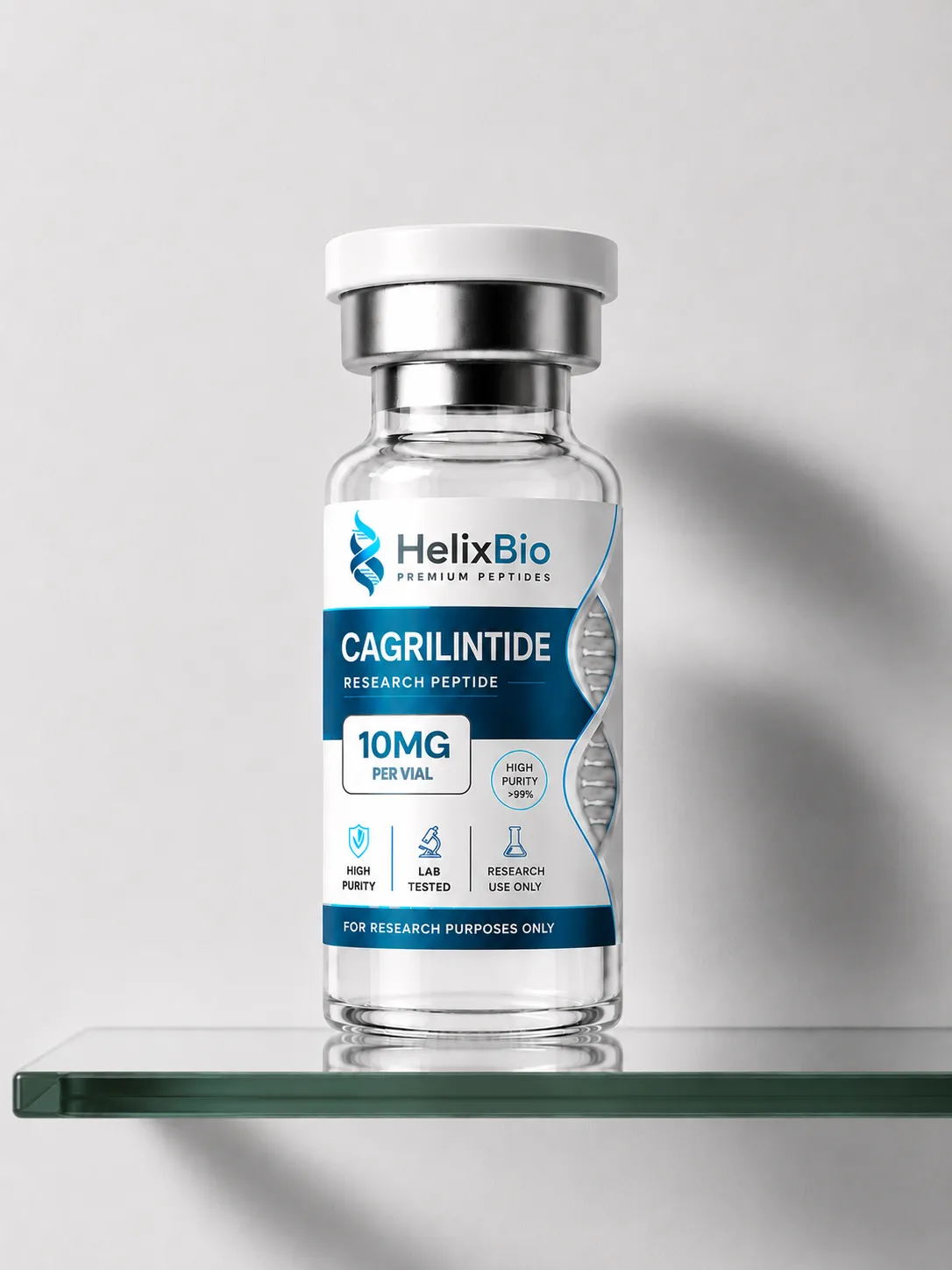
Cagrilintide
RESEARCH PEPTIDE
Cagrilintide is a synthetic research peptide studied as a long-acting amylin receptor agonist — a mechanism distinct from the GLP-1, GIP, and glucagon receptor pathways targeted by compounds like semaglutide, GLP-1TRZ, and GLP-3RTA. Developed originally by Novo Nordisk, cagrilintide has drawn significant research interest both as a standalone amylin analog and as the amylin component of CagriSema, a fixed-dose combination studied alongside semaglutide in the REDEFINE clinical trial program. Helix Bio supplies Cagrilintide as a lyophilized powder intended strictly for laboratory and preclinical research, manufactured to a high-purity standard and backed by third-party verification. It is not intended for human consumption, diagnostic use, or any therapeutic application.
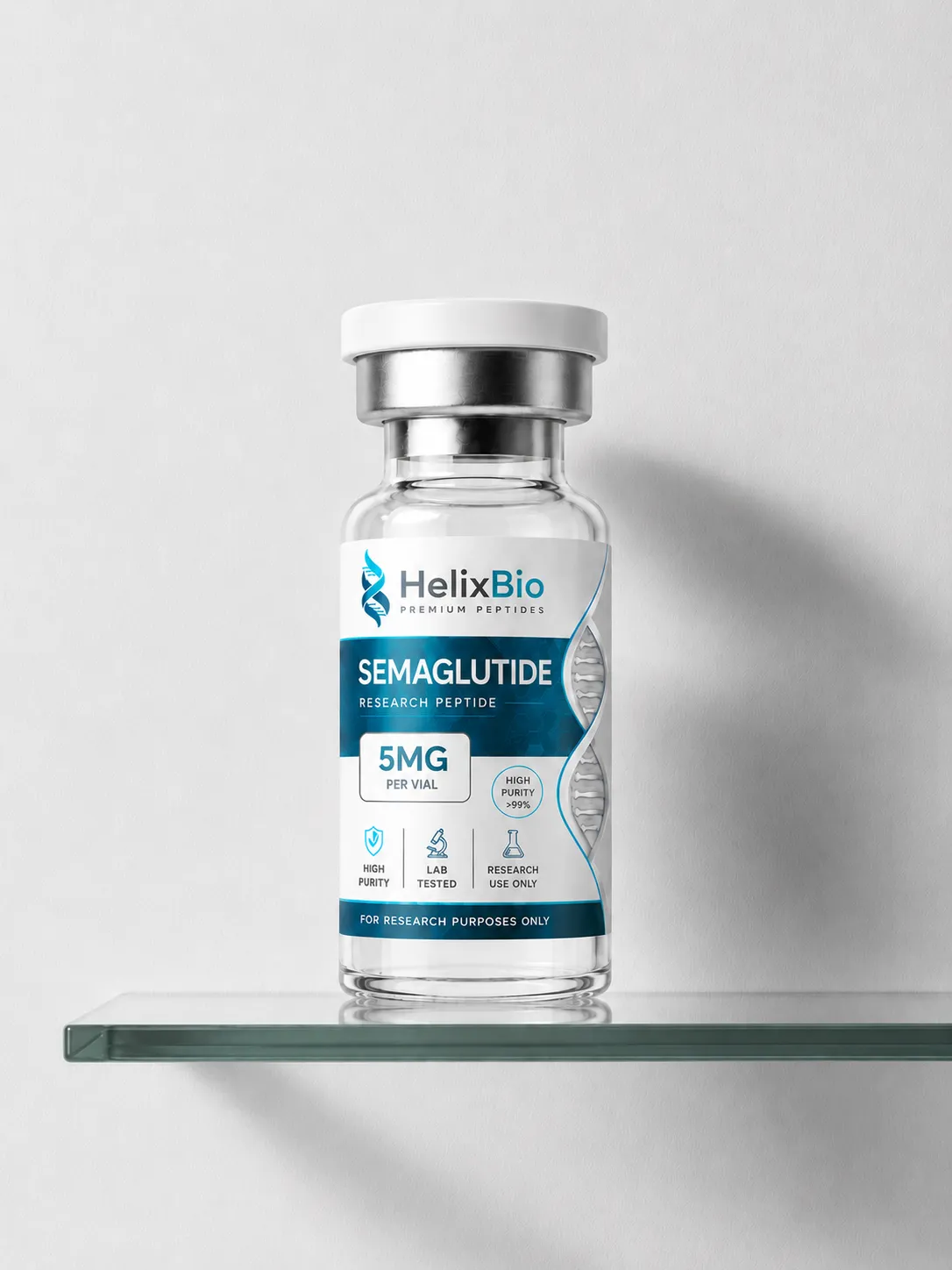
Semaglutide
RESEARCH PEPTIDE
Semaglutide is a synthetic research peptide studied for its activity as a GLP-1 receptor agonist — one of the most extensively documented compounds in incretin pharmacology, with a clinical trial record (the STEP and SUSTAIN programs) that spans over a decade. Developed originally by Novo Nordisk, Semaglutide is the reference point most researchers use when evaluating newer dual- and triple-agonist peptides such as GLP-1TRZ and GLP-3RTA. Helix Bio supplies Semaglutide as a lyophilized powder intended strictly for laboratory and preclinical research, manufactured to a high-purity standard and backed by third-party verification. It is not intended for human consumption, diagnostic use, or any therapeutic application, and it is a separate product from FDA-approved branded medications.
Why Receptor Overlap Decides Whether a Combination Does Anything
Two agonists at the same receptor do not stack. They compete for a finite pool of binding sites, and once that pool approaches saturation, adding a second agonist contributes almost nothing beyond what a higher concentration of the first would have produced.
The situation gets worse than neutral. Sustained or repeated agonist occupancy at a G protein-coupled receptor drives phosphorylation by GPCR kinases, beta-arrestin recruitment, and receptor internalization. The functional result is tachyphylaxis: a progressively smaller response to the same stimulus. Hexarelin, one of the more potent growth hormone secretagogues, is the textbook case in the GHS literature, showing documented desensitization that led researchers to build cycling into study designs rather than dose continuously.
So the organizing principle for any mechanism-based stack is straightforward. Combining compounds is defensible when they engage independent upstream receptors that converge on a shared downstream output. Combining compounds is pharmacologically pointless when they engage the same receptor.
The practical test for any proposed pairing: name the receptor or molecular target for each compound. If both names are the same, the combination is redundant by construction and no amount of goal-based reasoning changes that.
Convergence Is the Mechanism That Actually Produces Synergy
Independent receptors matter because they recruit different second-messenger cascades. When two cascades converge on the same effector — a secretory vesicle, a transcription factor, a metabolic enzyme — the combined signal can exceed the sum of the individual signals. That is what pharmacologists mean by synergy, and it is a much narrower claim than "these two compounds both help with recovery."
The Best-Documented Synergy in Peptide Research: GHRH Plus GHRP
The pairing of a growth hormone-releasing hormone analog with a growth hormone-releasing peptide is the one combination in this space with a genuine, replicated human evidence base going back to the early 1990s.
The two compound classes hit different receptors on the pituitary somatotroph. GHRH analogs act at the GHRH receptor, a Gs-coupled receptor that raises cAMP and activates protein kinase A. GHRPs act at GHS-R1a, the ghrelin receptor, which is Gq-coupled and drives phospholipase C signaling and intracellular calcium release. Two separate receptors, two separate cascades, one shared output: growth hormone secretion.
The magnitude of the combined response is the part worth quoting. In work by Cordido and colleagues, combined intravenous administration of GHRH plus GHRP-6 in normal subjects produced a mean plasma GH peak of 76.7 micrograms per liter at 30 minutes. In obese subjects, the same combination produced a peak of 42.2 micrograms per liter with individual responses ranging from 14 to 86 micrograms per liter, a response the investigators explicitly described as potentiating rather than additive.
A second line of evidence makes the mechanism clearer. Popovic and colleagues reported in 1995 that in patients with hypothalamo-pituitary disconnection, GHRP-6-induced GH secretion was blocked and the synergy with GHRH disappeared entirely. Intact hypothalamic input is required for the effect, which tells researchers the interaction is not purely a pituitary phenomenon.
What the GHRH Plus GHRP Data Does Not Establish
Here is where most stacking content overreaches. No published randomized controlled trial has tested the specific combination of CJC-1295 and Ipamorelin against either compound administered alone.
The rationale for that particular pairing is assembled from three separate things: CJC-1295 is characterized as a GHRH receptor analog, Ipamorelin is characterized as a selective GHS-R1a agonist, and the broader GHRH-plus-GHRP class shows synergy in human studies using other molecules. That is a reasonable mechanistic inference. It is not a head-to-head combination trial, and describing it as "proven synergy" for this exact pairing misrepresents the evidence. Researchers working with the CJC-1295 / Ipamorelin blend should treat the class-level data as the actual evidentiary basis. The broader pharmacology is covered in the CJC-1295 and Ipamorelin research guide.
Tissue Repair: BPC-157 and TB-500 Run on Separate Machinery
The pairing usually marketed as the "Wolverine stack" is mechanistically coherent and evidentially thin, and both halves of that statement deserve equal weight.
BPC-157 is a synthetic pentadecapeptide whose repair-associated signaling is best characterized through angiogenesis. Hsieh and colleagues reported in the Journal of Molecular Medicine in 2017 that BPC-157 increased VEGFR2 messenger RNA and protein expression in human vascular endothelial cells without changing VEGF-A, promoted VEGFR2 internalization, and activated VEGFR2-Akt-eNOS signaling in a time-dependent manner. The causal detail is the one that carries weight: when the researchers blocked endocytosis with dynasore, both the angiogenic effect and endothelial tube formation were inhibited. Receptor internalization, not simply receptor binding, sits at the center of the mechanism.
TB-500 is a synthetic fragment corresponding to the active region of thymosin beta-4, a 43-amino-acid peptide that Goldstein, Hannappel, and Kleinman described in 2005 as the major G-actin-sequestering molecule in eukaryotic cells. It binds monomeric G-actin and regulates the availability of actin subunits for filament assembly, which governs cytoskeletal dynamics, cell shape, and directed cell migration. Downstream effects on Rho-family GTPase signaling have been reported in cell systems.
Angiogenic receptor signaling and cytoskeletal actin regulation are genuinely non-overlapping. That makes the pairing mechanistically sensible in a way that, say, combining two GHRPs is not.
What does not exist is a study testing the combination. No published trial has compared BPC-157 plus TB-500 against either compound alone in the same model. A 2026 scoping review in Applied Sciences searched PubMed, Europe PMC, and ClinicalTrials.gov through March 2026, screened 1,772 records, and included 80 studies, finding the evidence base weighted toward in vitro designs and concentrated on thymosin beta-4 rather than TB-500 specifically. The direct comparison between these two compounds is covered in more depth in the BPC-157 vs TB-500 comparison, and a three-compound extension is discussed in the tissue repair synergy guide.
What Real Combination Evidence Looks Like: The CagriSema Trials
Set the stacking literature against a case where the combination itself was actually tested, and the difference in evidentiary quality becomes obvious.
CagriSema pairs semaglutide, a GLP-1 receptor agonist, with cagrilintide, a long-acting amylin analog acting at amylin and calcitonin receptors. Two independent receptor systems, one shared metabolic output. Same logic as GHRH plus GHRP.
The difference is REDEFINE 1, a 68-week Phase 3 trial (NCT05567796) that randomized 3,417 adults with obesity or overweight and at least one comorbidity into four arms: the combination, semaglutide 2.4 mg alone, cagrilintide 2.4 mg alone, and placebo. On the trial product estimand, mean body weight reduction at week 68 was 22.7 percent for the combination, 16.1 percent for semaglutide alone, 11.8 percent for cagrilintide alone, and 2.3 percent for placebo. On the treatment policy estimand, the figures were 20.4 percent and 3.0 percent for combination and placebo respectively. Gastrointestinal adverse events were reported in 79.6 percent of the combination group versus 39.9 percent on placebo.
Four arms. Both monotherapies included as active comparators. That design is what allows anyone to say the combination outperformed its components rather than merely assuming it. Related agonist pharmacology is covered in the GLP-1 and GIP agonist research overview.
Peptide Stacking Guide: Categories and Their Evidence Status
Research category | Example pairing | Receptor or molecular targets | Independent pathways | Direct combination-arm evidence |
|---|---|---|---|---|
GH axis | CJC-1295 + Ipamorelin | GHRH-R (Gs/cAMP/PKA) + GHS-R1a (Gq/PLC/Ca2+) | Yes | No — class-level GHRH+GHRP human data only |
Tissue repair | BPC-157 + TB-500 | VEGFR2-Akt-eNOS + G-actin sequestration | Yes | None published |
Metabolic, dual-pathway | Semaglutide + Cagrilintide | GLP-1R + amylin/calcitonin receptors | Yes | Yes — REDEFINE 1, four-arm Phase 3 |
Metabolic, redundant | Semaglutide + Tirzepatide | Both engage GLP-1R | No — direct overlap | None; overlap makes the pairing redundant |
Mitochondrial | MOTS-c + SS-31 | AMPK activation + cardiolipin binding | Yes | None published |
Cognitive and stress | Semax + Selank | Distinct neuromodulatory targets | Partially characterized | None published |
NAD and methylation | NAD+ + 5-Amino-1MQ | Salvage-pathway substrate + NNMT inhibition | Complementary | None published |
The rightmost column is the one that matters for interpreting any published claim. Six of the seven rows are mechanistic rationale. One is a trial.
Categories Where the Mechanism Is Plausible and the Data Is Absent
Three categories in the table above get discussed constantly and studied rarely, and they are worth naming individually so the evidence gap is explicit rather than implied.
Mitochondrial pairings such as MOTS-c with SS-31 combine a mitochondrial-derived peptide associated with AMPK activation and a compound characterized by binding to cardiolipin in the inner mitochondrial membrane. Those are separate molecular targets acting on the same organelle, which satisfies the independence test. No published study has tested them together.
Neuromodulatory pairings such as Semax with Selank are frequently supplied as a single blend. Both compounds have Russian-language clinical literature behind them individually, and their characterized targets differ. The combination itself has not been evaluated against either component in a published controlled design.
Methylation and NAD pairings represent the most mechanistically specific case in the group. Inhibiting nicotinamide N-methyltransferase preserves nicotinamide for the NAD salvage pathway rather than diverting it to methylated waste, which means an NNMT inhibitor and an NAD precursor act at genuinely complementary points in the same pathway rather than duplicating each other. The underlying salvage pathway biology is covered in the NAD peptide research overview. No combination study exists here either.
The pattern is consistent enough to state as a rule: mechanistic independence is common in this field, and combination-arm data is rare.
Where Combination Study Designs Break Down
The methodological problem with combining compounds is attribution. If a model receives three agents and a variable moves, nothing in that observation identifies which agent moved it, whether two of them interacted, or whether one of them did all the work.
Standard practice in combination pharmacology addresses this in a few ways:
- Limit the number of simultaneous agents. Research protocols combining compounds typically cap at two to four, because the number of possible interactions grows faster than the number of agents.
- Include monotherapy arms. Without them, a combination result cannot be separated from a single-agent result, which is exactly why REDEFINE 1 carried semaglutide and cagrilintide arms alongside the combination.
- Introduce one variable at a time when characterizing a novel pairing.
- Record each compound, concentration, batch identifier, timing, and measured variable separately in the record rather than logging the combination as a single unit.
Pre-mixed blends deserve a specific note. A fixed-ratio blend is convenient for administration and unhelpful for attribution, because the ratio cannot be varied independently. Studies designed to characterize contribution generally use separately prepared compounds; blends make more sense once the contribution question is already settled.
Each compound in a combination requires its own certificate of analysis and its own identity verification. Purity documentation for one component says nothing about the others, and a fixed-ratio blend should carry documentation covering every constituent. The [certificate of analysis guide](/how-to-read-peptide-certificate-of-analysis) covers what those documents should contain.
Handling and Stability Across Multiple Compounds
Combination work multiplies handling variables. Compounds differ in lyophilized shelf stability, in reconstituted stability, and in sensitivity to freeze-thaw cycling and light exposure. A pairing is only as stable as its least stable member, and degradation in one component will read as a change in combined effect if it is not tracked separately.
Reconstitution practice for multi-compound work generally means preparing each compound separately, documenting the date of reconstitution per vial, and avoiding repeated warming cycles. The reconstitution and storage guide covers the underlying stability considerations, and the common storage mistakes breakdown covers the failure modes that most often show up as unexplained variance.
Compliance Framing
Every compound named here is supplied by Helix Bio for research use only. None is an FDA-approved drug, none carries an approved indication, and combination use in particular has no regulatory status whatsoever, since even the individual compounds lack approval. The regulatory picture for research-use-only material is covered in the research peptide legality and RUO compliance overview.
The Open Question Worth Tracking
The gap in this field is not mechanistic imagination. It is four-arm trials. Almost every combination discussed in peptide research rests on component pharmacology plus an inference, and the CagriSema program demonstrates both that the inference is sometimes correct and that confirming it requires a design most of these compounds have never been subjected to. Until a pairing has been tested against each of its components in the same model, the honest description is "mechanistically plausible, experimentally uncharacterized." That phrase covers nearly every stack in circulation, including the two most popular ones.
Frequently Asked Questions
Peptide stacking refers to combining two or more research compounds in the same experimental model to observe whether their effects interact. In pharmacological terms the meaningful question is whether the compounds act on independent receptor systems, since that determines whether a combined effect is even possible.
No. Two agonists at the same receptor compete for a finite pool of binding sites, so once occupancy approaches saturation, adding a second agonist contributes little beyond a higher concentration of the first. Sustained occupancy can also drive receptor internalization and produce a smaller response over time.
The pairing of a GHRH receptor analog with a GHS-R1a agonist has the strongest evidence base, documented in human studies since the early 1990s. Combined GHRH and GHRP-6 administration produced growth hormone peaks substantially exceeding either compound alone, with the synergy attributed to convergence of Gs-coupled cAMP signaling and Gq-coupled phospholipase C signaling on the same pituitary somatotroph.
No published randomized controlled trial has evaluated the CJC-1295 and Ipamorelin combination against either compound alone. The rationale for that specific pairing is extrapolated from the individual receptor pharmacology of each compound and from broader GHRH-plus-GHRP class studies conducted with different molecules.
BPC-157 has been associated with VEGFR2 upregulation and internalization leading to Akt-eNOS pathway activation, placing its characterized signaling in angiogenesis. TB-500 corresponds to the active region of thymosin beta-4, which sequesters monomeric G-actin and regulates cytoskeletal dynamics and cell migration.
No published study has compared the combination against either individual compound in the same model. A 2026 scoping review screening 1,772 records and including 80 studies found the evidence base weighted toward in vitro designs and focused on thymosin beta-4 rather than TB-500 specifically.
Receptor desensitization is the progressive reduction in response to a receptor agonist following sustained or repeated stimulation, driven by receptor phosphorylation, beta-arrestin recruitment, and internalization. It matters for combination design because pairing two agonists at the same receptor can accelerate desensitization rather than increase the measured effect.
REDEFINE 1 randomized 3,417 adults across four arms including both monotherapy comparators, which allows the combination result to be separated from single-agent results. Most research peptide combinations have never been studied with monotherapy arms, so their combined effects remain inferred rather than measured.
Research protocols combining compounds typically limit themselves to two to four agents. The reason is attribution: the number of possible pairwise and higher-order interactions grows faster than the number of agents, and beyond a small number the contribution of any single compound becomes unrecoverable from the data.
Compounds with different half-lives and different receptor kinetics will have non-overlapping windows of activity depending on when each is introduced. In studies of convergent signaling, timing determines whether both pathways are active simultaneously, which is a prerequisite for observing any interaction at all.
Each compound should be recorded separately with its concentration, batch or lot identifier, reconstitution date, timing of administration, and the specific variables measured. Logging a combination as a single undifferentiated unit makes it impossible to attribute an observed effect to any component afterward.
Fixed-ratio blends are not suited to contribution studies because the ratio between components cannot be varied independently. Research designed to characterize which compound produces which effect generally uses separately prepared compounds, with blends reserved for work where the contribution question has already been addressed.
Each compound is generally reconstituted separately and dated per vial, since compounds differ in lyophilized shelf stability, reconstituted stability, and sensitivity to freeze-thaw cycling and light. A combination is only as stable as its least stable component, and undocumented degradation in one compound will appear as unexplained variance in the combined result.
Each compound requires its own certificate of analysis and independent identity verification, because purity documentation for one component provides no information about the others. A fixed-ratio blend should carry documentation covering every constituent rather than a single aggregate figure.
None of the compounds discussed here is an FDA-approved drug, and none carries an approved indication. Combination use has no separate regulatory status, since the individual compounds are supplied for research use only and combining research-use-only material does not alter that classification.
- 01Cordido F, et al. Massive growth hormone (GH) discharge in obese subjects after the combined administration of GH-releasing hormone and GHRP-6: evidence for a marked somatotroph secretory capability in obesity. Journal of Clinical Endocrinology and Metabolism.
- 02The Safety and Efficacy of Growth Hormone Secretagogues (review covering GHRH and GHRP combined administration studies). PubMed Central, PMC5632578.
- 03Hsieh MJ, et al. Therapeutic potential of pro-angiogenic BPC157 is associated with VEGFR2 activation and up-regulation. Journal of Molecular Medicine. 2017. doi:10.1007/s00109-016-1488-y
- 04Goldstein AL, Hannappel E, Kleinman HK. Thymosin beta4: actin-sequestering protein moonlights to repair injured tissues. Trends in Molecular Medicine. 2005;11(9):421-429. doi:10.1016/j.molmed.2005.07.004
- 05Thymosin Beta-4 and TB-500 in Tissue Healing, Regeneration, and Musculoskeletal Repair: A Scoping Review. Applied Sciences. 2026;16(12):6202.
- 06Novo Nordisk. CagriSema 2.4 mg / 2.4 mg demonstrated 22.7% mean weight reduction in adults with overweight or obesity in REDEFINE 1, published in the New England Journal of Medicine. June 22, 2025.
- 07REDEFINE 1: A Research Study to See How Well CagriSema Works in People Living With Overweight or Obesity. ClinicalTrials.gov Identifier NCT05567796.
Helix Bio Chem Team
Research & Product Team
Our in-house team tracks published peptide research and translates it into clear, source-cited summaries for the research community.
Reviewed by in-house research chemists
support@helixbiochem.com