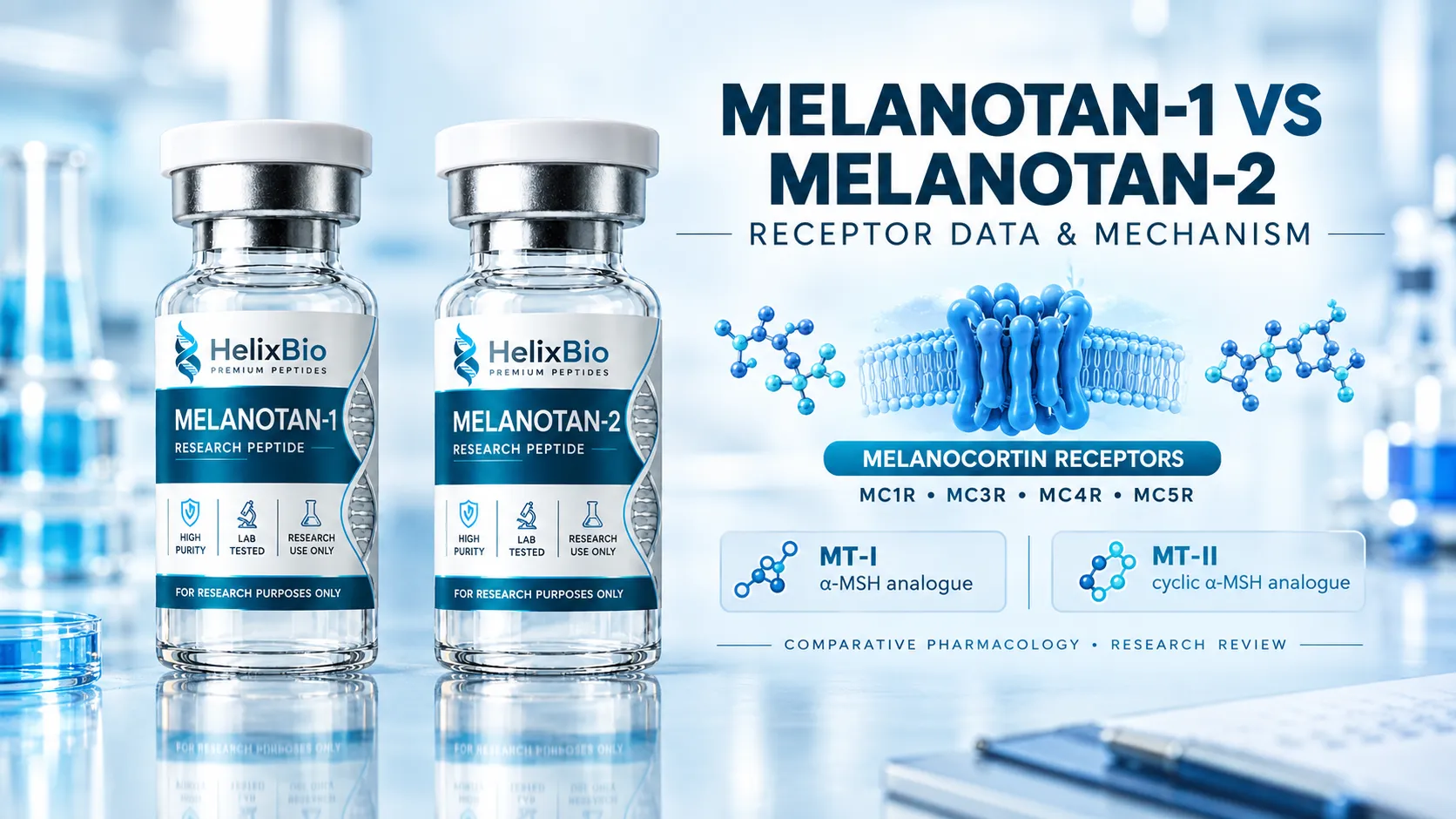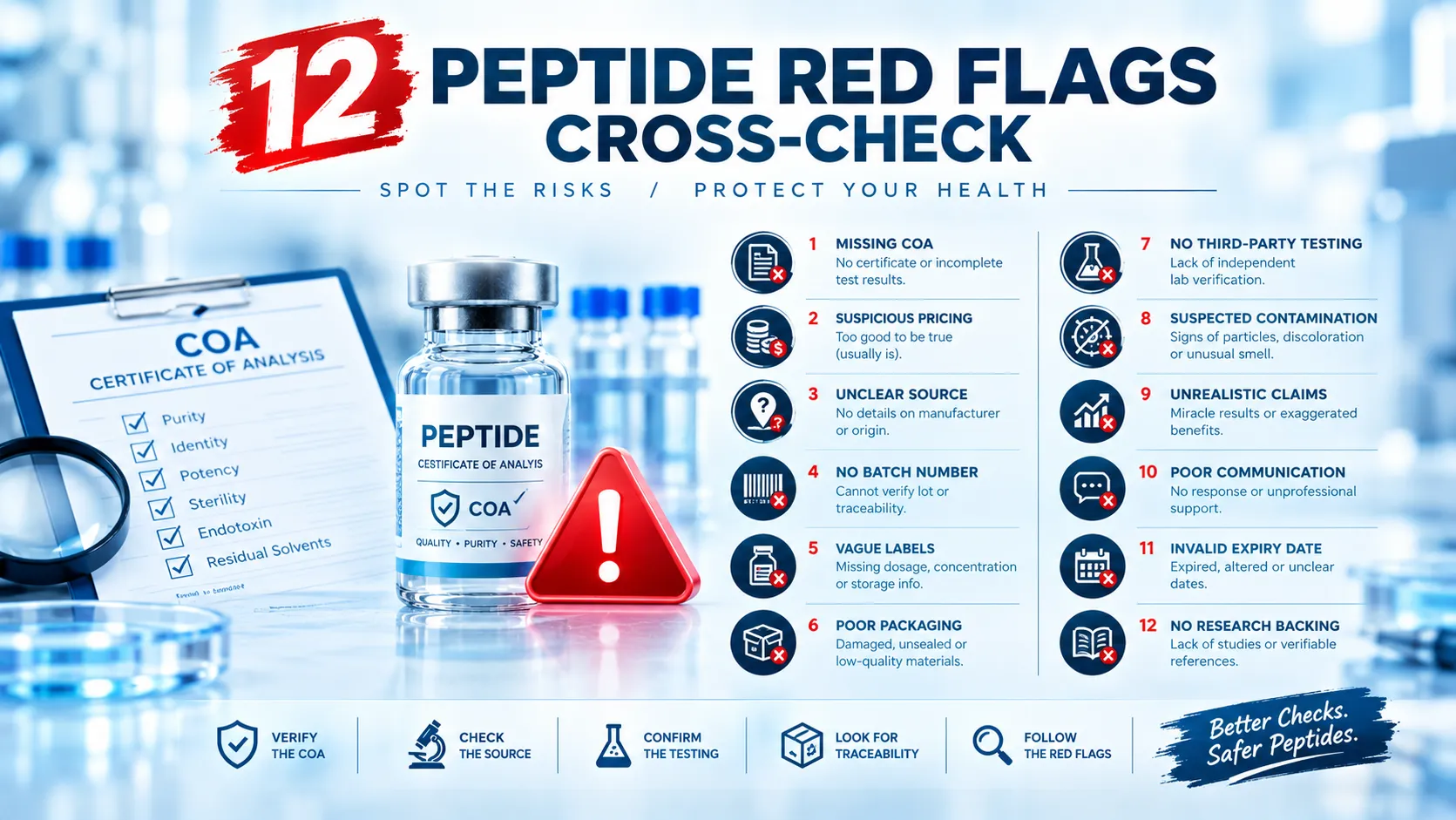
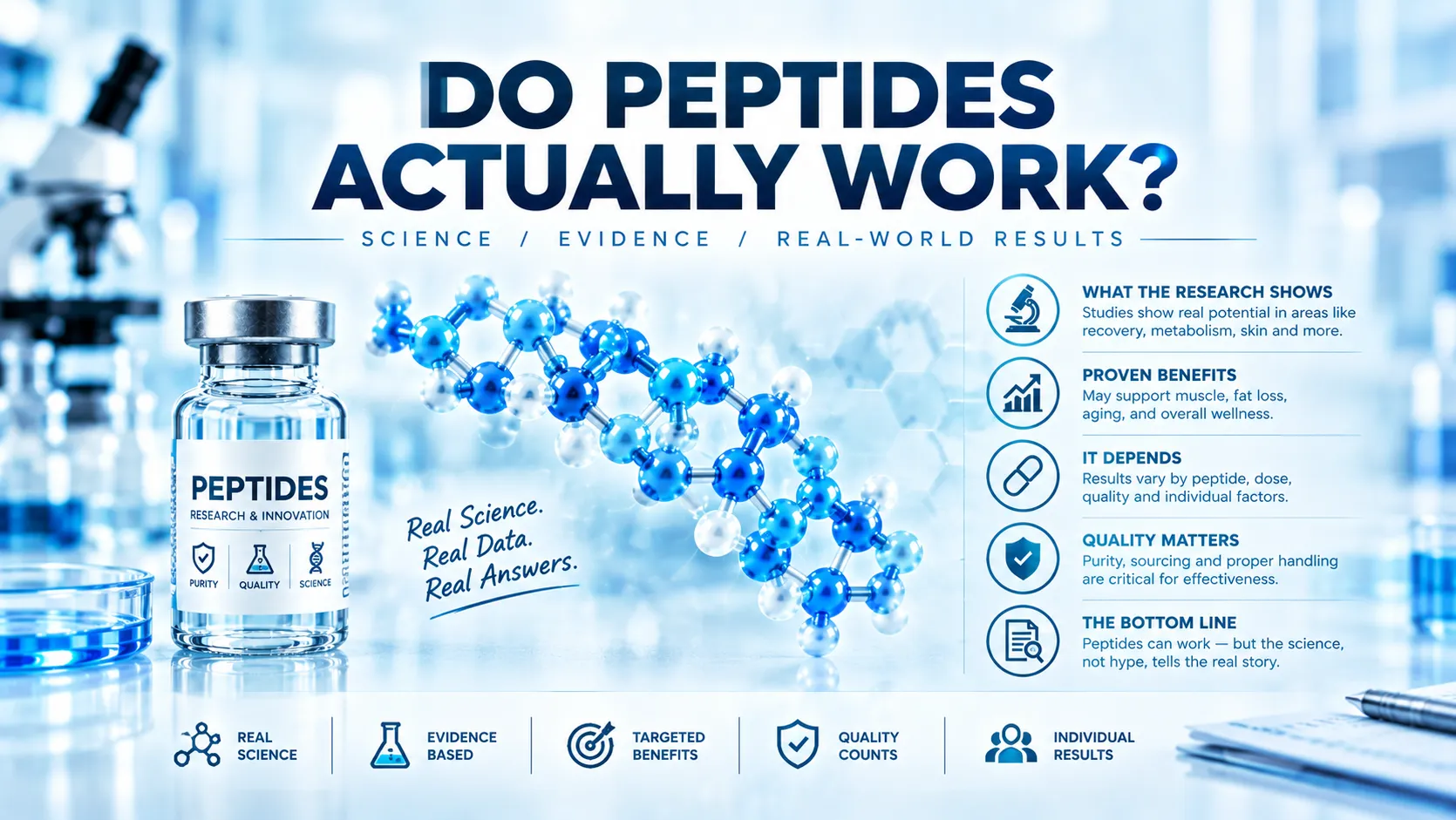
- Peptides are not one category. Approved medicines, topical cosmetic peptides and unapproved research compounds carry three separate evidence bases.
- Semaglutide reduced body weight by 14.9% against 2.4% on placebo across 68 weeks in 1,961 adults, and tirzepatide reached 20.9% at its top dose in 2,539 adults over 72 weeks.
- The entire published human record for BPC-157 is three uncontrolled studies in 30 people, graded very low certainty by a 2026 systematic review.
- Product analysis identified TB-500 as a seven-residue fragment, while native thymosin beta-4 runs 43 residues, so human work on one does not read across to the other.
- No human trial of KPV exists for any indication by any route, and no completed trial has given MOTS-c to people.
- AOD-9604 has a reproducible mechanism and still missed its primary weight-loss endpoint in a 24-week programme of roughly 500 participants.
- Raising growth hormone does not deliver function. Giving growth hormone directly added 2.1 kg of lean body mass without improving strength or exercise capacity.
- Placebo relieved osteoarthritis pain with an effect size of 0.51 against 0.03 in untreated controls, and the response grew larger when it arrived by needle.
Ask whether peptides actually work and you will get a confident answer either way. Both answers are usually wrong, because the question is being asked about three different things at once.
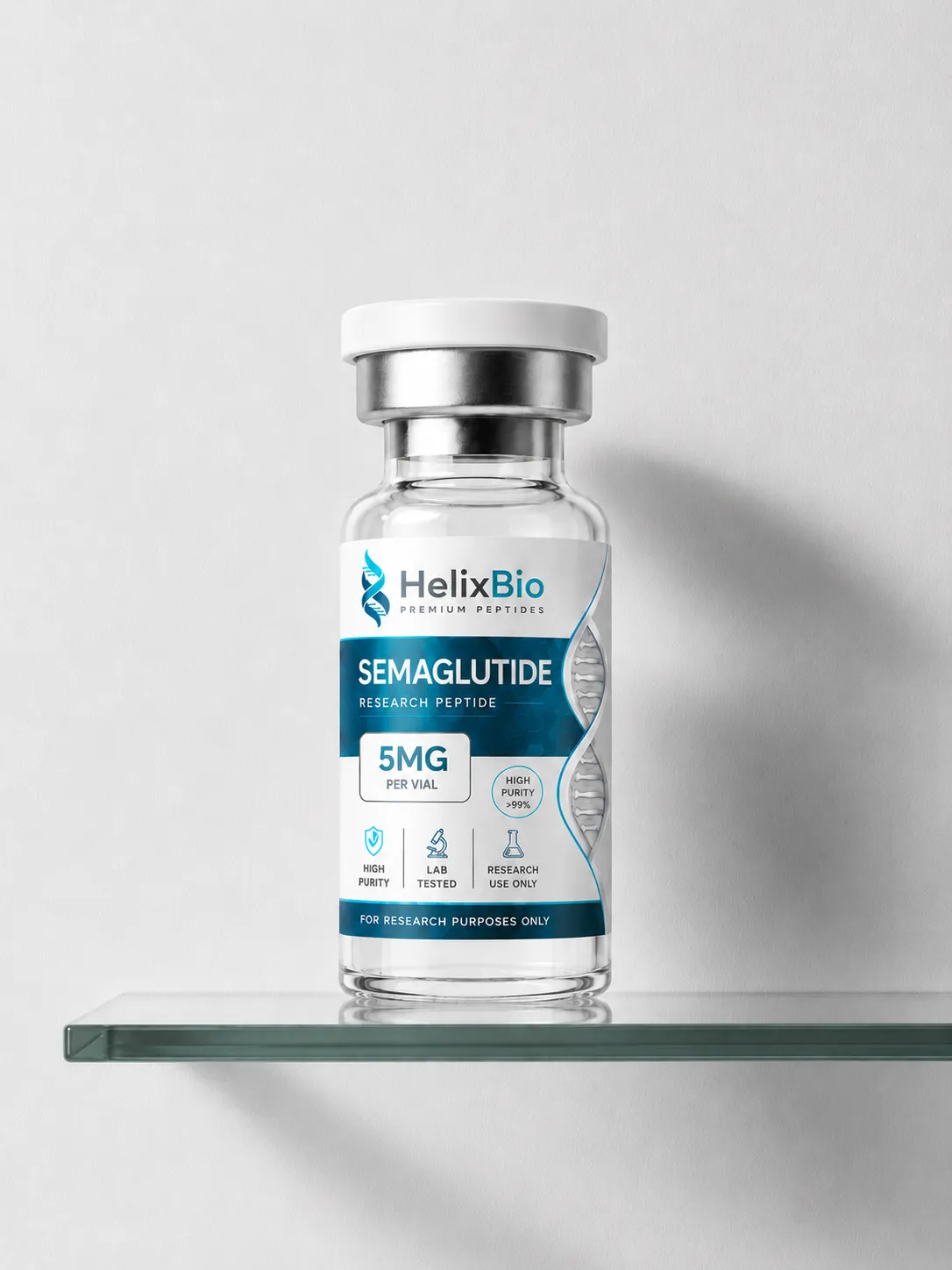
Semaglutide
RESEARCH PEPTIDE
Semaglutide is a synthetic research peptide studied for its activity as a GLP-1 receptor agonist — one of the most extensively documented compounds in incretin pharmacology, with a clinical trial record (the STEP and SUSTAIN programs) that spans over a decade. Developed originally by Novo Nordisk, Semaglutide is the reference point most researchers use when evaluating newer dual- and triple-agonist peptides such as GLP-1TRZ and GLP-3RTA. Helix Bio supplies Semaglutide as a lyophilized powder intended strictly for laboratory and preclinical research, manufactured to a high-purity standard and backed by third-party verification. It is not intended for human consumption, diagnostic use, or any therapeutic application, and it is a separate product from FDA-approved branded medications.
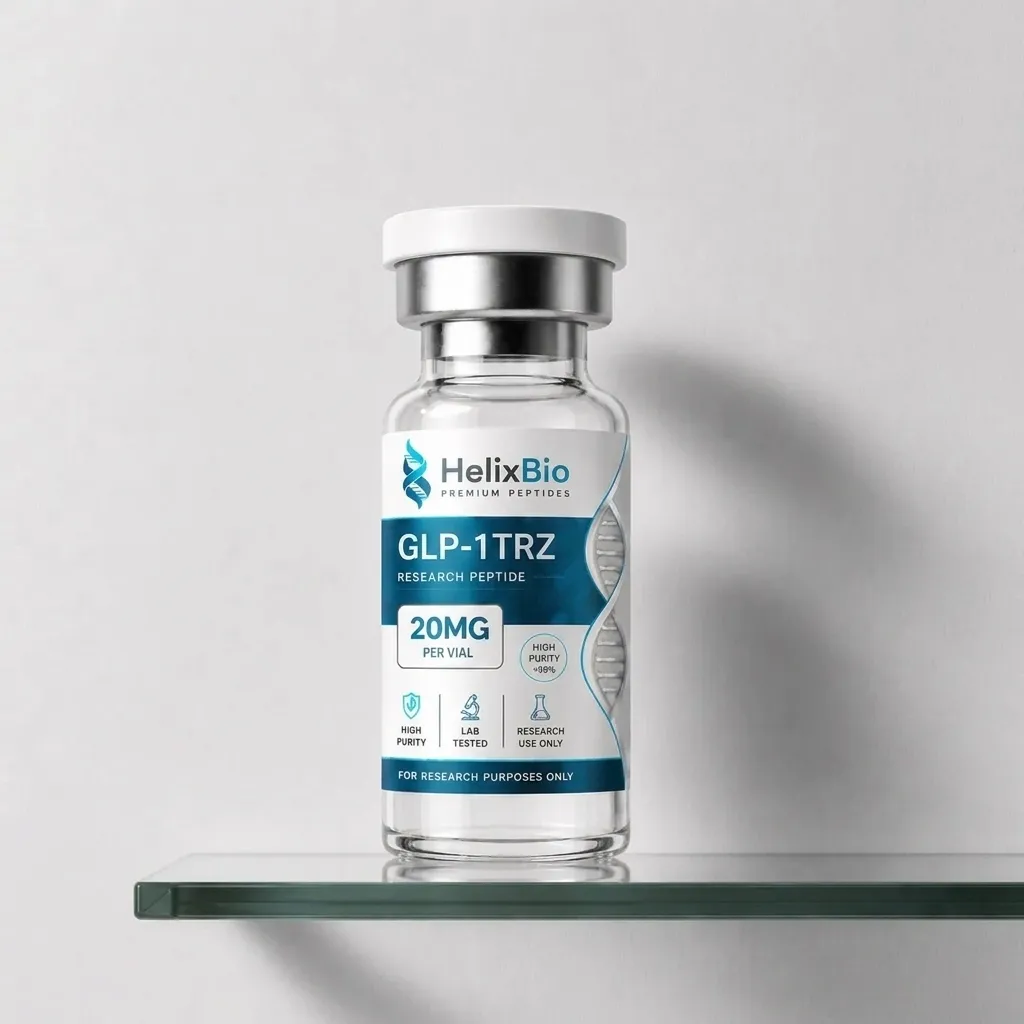
GLP-1TRZ
RESEARCH PEPTIDE
GLP-1TRZ is a synthetic research peptide studied for its activity as a dual GIP/GLP-1 receptor agonist — engaging two distinct incretin receptor pathways within a single molecule. It sits between single-receptor compounds like Semaglutide and the newer triple-agonist GLP-3RTA, making it a common middle point of comparison in incretin research. Helix Bio supplies GLP-1TRZ as a lyophilized powder intended strictly for laboratory and preclinical research, manufactured to a high-purity standard and backed by third-party verification. It is not intended for human consumption, diagnostic use, or any therapeutic application, and it is a separate product from FDA-approved branded medications.
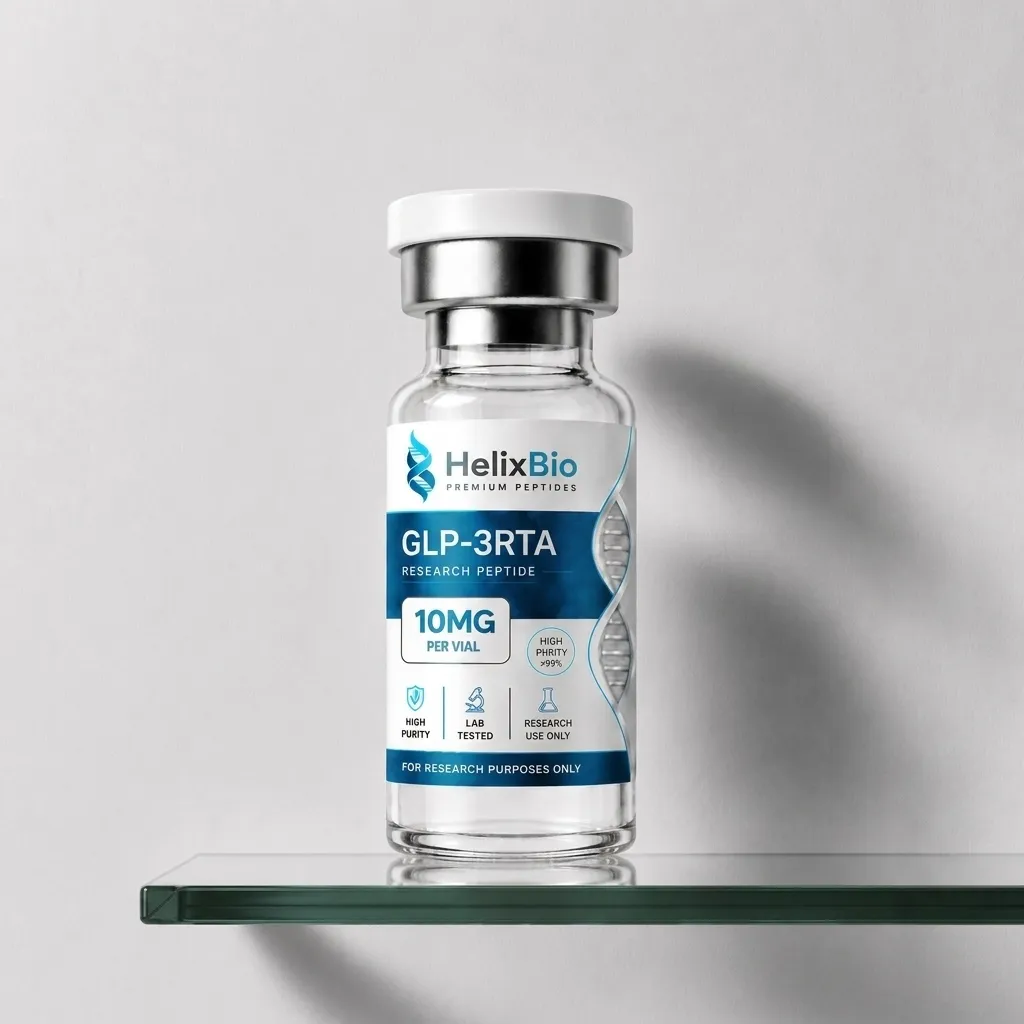
GLP-3RTA
RESEARCH PEPTIDE
GLP-3RTA is a synthetic research peptide studied for triple hormone receptor agonism — activity across the GLP-1, GIP, and glucagon receptors within a single molecule. That three-receptor mechanism has made it one of the most closely watched areas of metabolic and endocrine research, setting it apart from single- or dual-agonist peptides such as Semaglutide and GLP-1TRZ. Helix Bio supplies GLP-3RTA as a lyophilized powder intended strictly for laboratory and preclinical research, manufactured to a high-purity standard and backed by third-party verification. It is not intended for human consumption, diagnostic use, or any therapeutic application.
One group of peptides has been through trials with thousands of participants. Another group sits in skincare, with a small and formulation-specific record behind it. A third group sells as research material and has barely been tested in people at all. Sorting those apart is most of the work.
A disclosure belongs here in the body, not buried in a footer. Helix Bio Chem sells research-grade peptides, and several compounds graded below are in the catalogue. Everything here assesses published literature, and the catalogue shaped no verdict in it. Where the evidence for something we sell turns out to be thin, this article says so.
The short answer
Do peptides actually work? Not as one category with one answer. A few are approved medicines backed by trials in thousands of people. Most compounds sold as research peptides have little or no human testing, and some have none. Topical cosmetic peptides form a third, separate evidence base with weaker and narrower support.
Where each compound actually stands
Evidence type describes what kind of study exists. Confidence describes how much weight that study can carry for the claim people make about the compound.
Approved medicines
Compound | Evidence type | Key finding | Confidence | Limitation |
|---|---|---|---|---|
Semaglutide (Wegovy, Ozempic) | Human interventional, phase 3 | STEP 1 randomised 1,961 adults for 68 weeks. Mean body weight fell 14.9% against 2.4% on placebo, a treatment difference of 12.4 percentage points (PMID 33567185) | High, for the approved indications | Trial excluded people with diabetes. Weight management and glycaemic control rest on separate programmes |
Tirzepatide (Zepbound, Mounjaro) | Human interventional, phase 3 | SURMOUNT-1 randomised 2,539 adults for 72 weeks. Weight fell 20.9% at the 15 mg dose against 3.1% on placebo, and 57% of that group lost at least a fifth of their body weight (PMID 35658024) | High, for the approved indications | Diabetes excluded from this trial. Gastrointestinal effects were the most common adverse events |
Tesamorelin (Egrifta SV) | Human interventional, phase 3 | A pooled analysis of two trials in 806 adults with HIV and excess abdominal fat measured a 15.4% treatment effect on visceral fat by CT at 26 weeks (PMID 20554713) | High, inside one narrow indication | Every pivotal trial enrolled adults with HIV and lipodystrophy. Subcutaneous and limb fat did not change. No strength or recovery endpoint exists |
Elamipretide (Forzinity) | Human interventional, accelerated approval | Approved to improve muscle strength in Barth syndrome at 30 kg and above, on an intermediate endpoint, not a final clinical one | Moderate, inside an ultra-rare disease | An approval this narrow transfers to nothing else |
Investigational
Compound | Evidence type | Key finding | Confidence | Limitation |
|---|---|---|---|---|
Retatrutide | Human interventional, phase 3 published | TRIUMPH-1 randomised 2,339 adults for 80 weeks. Weight fell 25.0% at 12 mg against 3.9% on placebo (PMID 42814954) | High for the trial result, zero for availability | Not approved. No marketing application filed. Anything sold under this name today is an unapproved drug |
Sold as research compounds
Compound | Evidence type | Key finding | Confidence | Limitation |
|---|---|---|---|---|
BPC-157 | Human, uncontrolled | A systematic review searching four databases to June 2026 found the entire human record to be three studies in 30 people, all graded poor quality, certainty very low (PMID 42885452) | Very low | No randomised controlled trial exists in humans for any indication. All three studies share one first author and one clinic |
TB-500 | Analytical, then absent | Published analysis of a TB-500 product identified Ac-LKKTETQ, a seven-residue fragment (PMID 22962027). Native thymosin beta-4 runs 43 residues (PMID 17947592) | Very low | The two molecules differ roughly six-fold in size. Human work on thymosin beta-4 does not read across to the fragment, and no human study of the fragment was located |
KPV | Cellular and animal only | Rodent colitis models report reduced inflammation. The receptor it acts through has not been identified (PMID 21222263) | Very low | No human trial of KPV exists for any indication by any route. Two leading animal studies worked through a delivery gel, not the free peptide |
Growth hormone secretagogues | Human pharmacology | Trials raise growth hormone and IGF-1 reliably. Our review of what the evidence shows about growth hormone secretagogues sorts the muscle endpoints compound by compound | Low for muscle claims | Raising the hormone is not the same as changing function. See the next section |
MOTS-c | Human observational, plus one trial underway | Published human studies measured people's own circulating MOTS-c. The first interventional trial of MOTS-c itself, NCT07505745, began recruiting in February 2026 | Very low | No completed trial has given MOTS-c to people. A trial that is enrolling is evidence of investigation, not of effect |
AOD-9604 | Human interventional, negative | The mechanism holds up. It does not compete for the growth hormone receptor and does not drive cell proliferation through it, and in obese mice it raised fat oxidation and lipolysis (PMID 11673763). A 24-week obesity programme in roughly 500 participants then missed its primary weight-loss endpoint | Low, and pointing the wrong way | The failure reaches us through a 2026 review of sponsor-reported outcomes, not a peer-reviewed trial paper (PMID 42395176). No human osteoarthritis trial exists |
GHK-Cu | Mixed, mostly preclinical | A 2026 systematic review included 64 studies. Twenty-four of those were reviews, not primary research. Eleven were human clinical, and the review states eight of those did not test GHK-Cu as the experimental intervention (PMID 42787770) | Low for topical, none for injection | Three human clinical studies actually tested the compound. The review found no published full-text randomised trial of topical GHK-Cu delivered by microneedle |
Different evidence base entirely
Compound | Evidence type | Key finding | Confidence | Limitation |
|---|---|---|---|---|
Topical cosmetic peptides | Human interventional, small | Our article on the two evidence bases behind peptides for skin grades each class and keeps oral and topical results apart | Low to moderate, cosmetic endpoints | Delivery through intact skin remains the limiting problem |
Oral collagen peptides | Human interventional, pooled | Three independent meta-analyses agree on direction for skin hydration and elasticity. One pooled 19 trials in 1,125 participants (PMID 33742704), another 26 trials in 1,721 (PMID 37432180) | Moderate, for appearance only | Trials run 8 to 12 weeks, enrol almost entirely women, use instrument-measured skin endpoints, and are mostly funded by ingredient suppliers |
MK-677 (ibutamoren) | Human interventional | Included here because it sells alongside peptides. It is a non-peptide spiro compound and an oral ghrelin receptor agonist (PMID 7624358) | Not applicable | Not a peptide. Its results do not transfer to the peptide secretagogues |
Three different questions get asked as one
Look at who ranks for this question and the confusion shows itself. A dermatology clinic, a skincare brand, a hospital system and a weight-loss service all compete for the same search. They are answering about different molecules.
The three groups barely overlap at all. Approved peptide medicines are prescription drugs that went through randomised trials and carry an approved indication. Topical cosmetic peptides sit in serums and creams, where the question is whether anything crosses the skin. Research peptides sell in vials labelled for laboratory use, and most of them have never been given to a person in a published study.
Our evidence grading methodology sets out how we handle each kind of study. The short version is that the question being asked decides which source counts. Chemical identity needs analytical work to settle. Efficacy needs a trial in the population you care about.
Readers who came here about serums will get more from our article on peptides for skin, which separates the oral and topical records properly. The rest of this page is about the injectable and research side.
The peptides with real human trials
Start with what the strong end looks like, because it sets the standard everything else gets measured against.
STEP 1 enrolled 1,961 adults and ran 68 weeks. Semaglutide reduced body weight by 14.9% against 2.4% on placebo (PMID 33567185). SURMOUNT-1 enrolled 2,539 and ran 72 weeks, with tirzepatide reaching 20.9% at its top dose against 3.1% (PMID 35658024). Both trials published full adverse event tables. Neither enrolled people with diabetes, so the diabetes indications rest on different programmes.
Retatrutide now belongs in the same conversation about evidence, though not about availability. TRIUMPH-1 randomised 2,339 adults over 80 weeks and reported a 25.0% fall in body weight at 12 mg against 3.9% on placebo (PMID 42814954). The compound remains investigational for now. Eli Lilly has not filed a marketing application. A vial sold as retatrutide today is an unapproved drug whatever the trial showed.
Tesamorelin is the most instructive entry in this group, and almost nobody cites it accurately. Its pooled phase 3 analysis covered 806 adults and measured a 15.4% treatment effect on visceral fat (PMID 20554713). Read the population before the number. Every pivotal trial enrolled adults with HIV and lipodystrophy, a specific pattern of fat redistribution. Subcutaneous fat did not change, and neither did limb fat. Nothing in the approval package measured strength, recovery or lean mass, and the label states the product is weight neutral.
Elamipretide makes a similar point from a different angle. It is approved, and it is approved to improve muscle strength, which sounds like it should settle an argument. The indication covers Barth syndrome in patients weighing at least 30 kg, under accelerated approval based on an intermediate endpoint. An ultra-rare mitochondrial disorder tells you nothing about a healthy adult's shoulder.
The peptides almost nobody has tested in people
Now the other end, where the gap between reputation and evidence is widest.
BPC-157 carries the biggest reputation of any compound in this group. A systematic review registered in advance searched Embase, PubMed, the Cochrane Library and ClinicalTrials.gov to June 2026. It found the entire human record to be three studies in 30 people (PMID 42885452). All three studies ran without a control group. Each graded poor on methodological quality, with overall certainty rated very low. The reviewers concluded the compound should not be used clinically outside regulated trials. Worth noting too that all three studies share one first author and one private clinic, which is a structural limit on its own. Our review of what BPC-157 research shows covers the structure and proposed mechanisms.
TB-500 has a problem before evidence even enters the picture. Published analysis of a product sold under that name identified Ac-LKKTETQ, an acetylated seven-residue fragment (PMID 22962027). Thymosin beta-4, the molecule TB-500 is usually described as, runs 43 residues (PMID 17947592). Those are different molecules, roughly six-fold apart in size. The human trials that do exist in this area used full-length thymosin beta-4, topically, for eye and wound indications. No human study of the seven-residue fragment was located. Our article on TB-500 and thymosin beta-4 identity works through the analytical detail.
KPV is a genuine tripeptide and the anti-inflammatory signal in rodent colitis models is real. Two gaps matter more than the rest. The receptor it acts through has not been identified, and a 2010 review states the signalling mechanism is unknown (PMID 21222263). There is no human trial of KPV for any indication by any route. The animal studies with the clearest results used a hydrogel or nanoparticle delivery system. One of those papers notes the free peptide is unstable when given rectally. A plain vial has none of that engineering.
Growth hormone secretagogues deserve their own treatment, and they have it. Our review of growth hormone secretagogues in muscle research sorts the human studies by exact molecule and by endpoint. The detail belongs in that article, not this one. In short, these compounds raise growth hormone and IGF-1 dependably, and the trials measuring what happens next tell a different story. More on why that gap matters below.
MOTS-c illustrates a trap worth naming. Human studies of MOTS-c measured how much of it people already had circulating, and found lower levels in some groups. That is an association in a population, not a test of giving it to anyone. The first interventional trial of MOTS-c itself, registered as NCT07505745, started recruiting in February 2026 at a single site, with results not expected before 2027. A trial being run shows that someone is testing a hypothesis properly. It does not show the hypothesis is right.
AOD-9604 is the most interesting failure in this group, and the clearest case for reading mechanisms carefully. Its mechanism is real and reproducible. It does not compete for the growth hormone receptor and does not drive cell proliferation through it, unlike growth hormone itself. In obese mice it raised fat oxidation and lipolysis and reduced weight gain, without the blood glucose rise growth hormone produced (PMID 11673763). Then a 24-week obesity programme in roughly 500 participants missed its primary weight-loss endpoint. That failure reaches us through a 2026 review reading sponsor-reported outcomes, not a published trial paper (PMID 42395176). The sourcing is itself a limitation worth stating. A plausible mechanism and a working drug are separate achievements.
GHK-Cu has the widest gap between its research profile and its human record. A 2026 systematic review screened 1,247 records and included 64 studies (PMID 42787770). Twenty-four of those were reviews, not primary research. Eleven were human clinical studies, and the review reports that eight of the eleven did not test GHK-Cu as the experimental intervention. Three human clinical studies tested the compound itself. The review found no published full-text randomised trial of topical GHK-Cu delivered by microneedle array. Its authors named that clinical evidence gap as the field's main problem. For injection, hair growth and systemic tissue repair, the human record is empty. Our GHK-Cu research overview covers the mechanistic work in more depth.
Why "it worked for me" is weak evidence here
Personal experience feels like the strongest evidence available. In this particular situation it is among the weakest, and three mechanisms explain why.
Placebo response in joint pain is large and well measured. A meta-analysis covering 198 trials compared 193 placebo groups, holding 16,364 patients, against 14 untreated control groups holding 1,167 (PMID 18541604). Placebo relieved pain with an effect size of 0.51. The untreated control groups registered just 0.03. That same analysis found the placebo response grew significantly larger for placebos given by injection or needle. Read that alongside the BPC-157 record. Its main human study asked people with knee pain how they felt after injections, with no control group and no blinding.
A caution belongs with that figure, because the placebo literature cuts both ways. One Cochrane review covered 234 trials across 60 conditions, with outcome data from 202 of them (PMID 20091554). It found placebo effects on pain to be modest, with an effect size near 0.28. Its authors also noted how hard it is to separate a real placebo effect from biased reporting. Large improvements in uncontrolled case series are better explained by reporting bias and natural history than by a dramatic placebo effect.
Regression to the mean does more work than most people expect. Symptoms that fluctuate tend to drift back toward their average, and an unusually bad measurement is usually followed by a better one. The methodological account of this phenomenon notes that the effect grows when you select people on a baseline value and then follow them (PMID 15333621). Picture when anyone starts a recovery compound. They start when the knee is at its worst. The structure of that decision builds improvement into the next measurement before anything pharmacological happens.
Polypharmacy finishes off the attribution problem. People using these compounds often use several at once, sometimes alongside anabolic steroids, thyroid hormone or stimulants. Our peptide stacking guide explains why combining agents makes attribution harder, not easier. If three things change and one variable moves, nothing in that observation identifies which agent moved it.
None of this means nobody improves. It means an uncontrolled improvement cannot tell you what caused it, which is the entire reason controlled trials exist.
Why a result in a rat is not a result in a person
Most of the enthusiasm around research peptides traces back to animal work, and the animal work is often genuinely good.
A PRISMA scoping review published in 2026 looked at BPC-157, TB-500, CJC-1295, MK-677, ipamorelin and GHK-Cu, crossed against musculoskeletal tissue (PMID 42578445). Across the publications it identified, 67% used preclinical animal models. Human clinical studies amounted to a handful, most lacking robust controls or rigorous design. The authors concluded these supplements should not be recommended as a replacement or an addition to existing orthopaedic care.
Species is only the first gap. Dose rarely translates, because a milligram per kilogram in a mouse is not a human dose. Route changes everything, and a compound injected into a rat's tissue behaves differently from one injected under human skin. Endpoint substitution does the rest of the damage, because a histology slide showing more blood vessels is not a tendon that works better.
The growth hormone literature shows what happens when somebody actually closes that loop. A systematic review of 27 study samples, covering 303 people who received growth hormone, found lean body mass rose by 2.1 kg (PMID 18347346). Strength and exercise capacity did not improve. Lactate during exercise ran higher in two of the three studies that measured it, and the treated participants reported more soft tissue swelling and fatigue. The authors wrote that claims about growth hormone enhancing physical performance are not supported by the literature.
MK-677 makes the same point from the secretagogue side, which is why it keeps appearing in these discussions despite not being a peptide. A two-year randomised trial in 65 healthy older adults raised fat-free mass by 1.1 kg against a 0.5 kg loss on placebo (PMID 18981485). Strength and function did not change. A separate phase 2b trial in 123 people recovering from hip fracture stopped early over a congestive heart failure signal. Four cases appeared in 62 treated patients against one in 61 on placebo. The authors described the safety profile as unfavourable in that population (PMID 21067829). Four against one in groups that size is not a demonstrated effect, and it was enough to halt a trial.
Compounded, approved, investigational and research grade are four different things
These four words get used interchangeably, and each one means something specific.
An approved drug has been through trials and carries an FDA-approved indication. Investigational means still in trials with no approval, which is where retatrutide sits. A compounded product is made by a pharmacy for a particular patient, and it is not the product the pivotal trials studied. Research-grade material sells for laboratory use and has no approval of any kind.
The compounded category causes the most confusion, because the molecule name matches an approved drug. Semaglutide and tirzepatide are no longer in shortage, and the shortage-based pathway that allowed widespread compounding closed during 2025. What remains is narrower, and our article on whether compounded semaglutide and tirzepatide are still legal walks through the current position. The evidence point is simpler than the legal one. Trial results belong to the product that was tested, at the dose and purity that trial used.
What is actually in the vial
Everything above assumes the compound in the container matches its label. Published analytical work says that assumption needs checking, and this applies to the unregulated supply chain as a category, not to any particular seller.
Belgian public-health researchers profiled the ten most frequently encountered falsified peptide drugs on their market, bought from three suspected illegal internet pharmacies (PMID 30029448). Purity for cysteine-containing peptides ran between 5% and 75%. The analysts also found arsenic and lead. One of the samples carried lead contamination. Several carried elemental impurities at up to ten times the ICH toxicity limit for injectable drugs. Arsenic speciation confirmed all of it sat in the more toxic inorganic form.
A 2024 study bought semaglutide from six illegal online pharmacies without a prescription (PMID 39509151). Three vials arrived and three prefilled pen orders turned out to be non-delivery scams. Measured semaglutide content exceeded the labelled amount by 28.56% to 38.69%, so the direction of error was over, not under. Purity measured between 7.7% and 14.37% against a 99% claim on the label. Endotoxin turned up in every single sample.
Two conclusions follow from those numbers. The failure mode is uncontrolled variance in both directions, not simple underdosing, which is a harder problem than it sounds. A batch certificate of analysis carries more weight than a purity claim in marketing copy, because each test method answers a different question.
Our article on peptide purity testing covers the contamination data in more depth.
Where the regulation actually stands
Dated statements matter here, because this area moved several times during 2026.
FDA's Pharmacy Compounding Advisory Committee met on 23 and 24 July 2026 and considered seven peptides nominated for the 503A bulk drug substances list. Each substance received two votes, one for its free base and one for its acetate form. FDA's own briefing documents proposed that none of the fourteen forms be included. Our explainer on the July 2026 FDA peptide vote covers what the committee recommended and what it did not.
A committee recommendation carries no legal effect. Adding a substance to the 503A list happens only through notice-and-comment rulemaking, as our explainer on the 503A bulks list describes. As of 22 October 2026, none of those seven peptides sits on the list, none is FDA-approved, and compounding them is not lawful. Our list of FDA-approved peptides covers what has actually cleared approval.
What would change these verdicts
Every grade above is provisional, and the specific thing that would move each one is worth naming.
BPC-157 needs a randomised controlled trial with an objective healing endpoint. Thirty people in uncontrolled studies cannot answer the question whatever the results look like. TB-500 needs a basic identity study first, establishing what sits in products sold under that name. Human work on whatever molecule that turns out to be comes after. KPV needs a phase 1 trial, and a delivery system resembling the one that worked in rodents. MOTS-c has its answer coming, since NCT07505745 is designed to test the hypothesis properly and should report after 2027.
GHK-Cu needs the trial its own systematic review called for. That means an adequately powered randomised study of a topical formulation, using a delivery method that crosses skin. The secretagogues need trials measuring function, not hormone levels, and the growth hormone literature suggests what those might find.
Retatrutide moves in the opposite direction. Its evidence is strong and its availability is nil, so the thing that would change its entry is regulatory, not scientific.
Frequently Asked Questions
That depends entirely on which peptide and for what. Approved medicines like semaglutide and tirzepatide have large trials behind them and a prescription pathway. Compounds sold as research peptides mostly have no human trial supporting the claims made for them, and in several cases no human study at all. The word peptide hides that difference; it does not describe it.
Approved peptide medicines are prescribed for specific conditions, and that decision belongs with a clinician who knows your situation. For unapproved research compounds the evidence question comes first, and for most of them the published human evidence does not support the claims. Products labelled for research use are not approved for human use at all.
The honest answer is that the human evidence does not support it. Growth hormone secretagogues raise growth hormone and IGF-1 reliably, and the trials that measured strength and function found no matching improvement. Our review of growth hormone secretagogues in muscle research sorts this compound by compound. Even giving growth hormone directly raised lean body mass by about 2.1 kg without improving strength or exercise capacity (PMID 18347346).
Semaglutide, the active ingredient in Ozempic and Wegovy, is a peptide. That is where the similarity ends for most of this category. Semaglutide completed phase 3 trials, holds an FDA-approved indication and is dispensed on prescription. BPC-157, TB-500 and KPV have none of those things. Sharing a chemical class is not sharing an evidence base.
For approved medicines the adverse effects appear in the label and in published trial tables, with gastrointestinal effects most common for the GLP-1 class. With unapproved compounds the honest answer is that the safety profile is unknown, because the studies that would establish it have not been done. Product quality adds a separate risk. Analytical work has found purity as low as 5%, and endotoxin in commercially purchased samples (PMID 30029448, PMID 39509151). Our article on peptide safety covers what the side effect evidence shows.
- 01Wilding JPH, Batterham RL, Calanna S, et al. Once-Weekly Semaglutide in Adults with Overweight or Obesity. N Engl J Med. 2021;384(11):989-1002. PMID 33567185.
- 02Jastreboff AM, Aronne LJ, Ahmad NN, et al. Tirzepatide Once Weekly for the Treatment of Obesity. N Engl J Med. 2022;387(3):205-216. PMID 35658024.
- 03Falutz J, Mamputu JC, Potvin D, et al. Effects of tesamorelin (TH9507), a growth hormone-releasing factor analog, in human immunodeficiency virus-infected patients with excess abdominal fat: a pooled analysis of two multicenter, double-blind placebo-controlled phase 3 trials with safety extension data. J Clin Endocrinol Metab. 2010;95(9):4291-304. PMID 20554713.
- 04Jastreboff AM, Kaplan LM, Davies MJ, et al. Retatrutide, a Triple Hormone Receptor Agonist, for Treatment of Obesity. N Engl J Med. 2026. TRIUMPH-1, NCT05929066. PMID 42814954.
- 05Poolton JT, Minett J, Kazmi A. Human evidence for BPC-157 in orthopaedic and regenerative medicine: a systematic review of efficacy and safety. Acta Orthop Belg. 2026;92(3). PROSPERO CRD420261406325. PMID 42885452.
- 06Esposito S, Deventer K, Goeman J, Van der Eycken J, Van Eenoo P. Synthesis and characterization of the N-terminal acetylated 17-23 fragment of thymosin beta 4 identified in TB-500, a product suspected to possess doping potential. Drug Test Anal. 2012;4(9):733-8. PMID 22962027.
- 07Crockford D. Development of thymosin beta4 for treatment of patients with ischemic heart disease. Ann N Y Acad Sci. 2007;1112:385-95. PMID 17947592.
- 08Brzoska T, Bohm M, Lugering A, Loser K, Luger TA. Terminal signal: anti-inflammatory effects of alpha-melanocyte-stimulating hormone related peptides beyond the pharmacophore. Adv Exp Med Biol. 2010;681:107-16. PMID 21222263.
- 09Tewari K, Liu TP, Im C, Hamad C, Petrigliano F, Cheung EC, Kremen TJ. Peptide Supplements and Their Therapeutic Applications in Sports Medicine. Am J Sports Med. 2026. PMID 42578445.
- 10Heffernan MA, Thorburn AW, Fam B, et al. Increase of fat oxidation and weight loss in obese mice caused by chronic treatment with human growth hormone or a modified C-terminal fragment. Int J Obes Relat Metab Disord. 2001;25(10):1442-9. PMID 11673763.
- 11Dominikowski A, Rekos Z, Olejarz M, Szczepanek-Parulska E, Domin R, Ruchala M. The emerging landscape of performance-enhancing peptides modulating GH-IGF1 axis: bridging the gap between clinical evidence and patient self-administration. Front Endocrinol (Lausanne). 2026;17:1822475. PMID 42395176.
- 12Najafi N, Maatouk H, Vardanyan KG, Vartanian KB, Agrawal DK. A Systematic Review of the Mechanisms and Therapeutic Applications of GHK-Cu (Glycyl-L-Histidyl-L-Lysine-Copper Complex) in Topical Microneedle Delivery: A Case for Expanded Clinical Trials. Arch Intern Med Res. 2026;9(3):269-293. PMID 42787770.
- 13de Miranda RB, Weimer P, Rossi RC. Effects of hydrolyzed collagen supplementation on skin aging: a systematic review and meta-analysis. Int J Dermatol. 2021;60(12):1449-1461. PMID 33742704.
- 14Pu SY, Huang YL, Pu CM, et al. Effects of Oral Collagen for Skin Anti-Aging: A Systematic Review and Meta-Analysis. Nutrients. 2023;15(9):2080. PMID 37432180.
- 15Patchett AA, Nargund RP, Tata JR, et al. Design and biological activities of L-163,191 (MK-0677): a potent, orally active growth hormone secretagogue. Proc Natl Acad Sci U S A. 1995;92(15):7001-5. PMID 7624358.
- 16Zhang W, Robertson J, Jones AC, Dieppe PA, Doherty M. The placebo effect and its determinants in osteoarthritis: meta-analysis of randomised controlled trials. Ann Rheum Dis. 2008;67(12):1716-23. PMID 18541604.
- 17Hrobjartsson A, Gotzsche PC. Placebo interventions for all clinical conditions. Cochrane Database Syst Rev. 2010;2010(1):CD003974. PMID 20091554.
- 18Barnett AG, van der Pols JC, Dobson AJ. Regression to the mean: what it is and how to deal with it. Int J Epidemiol. 2005;34(1):215-20. PMID 15333621.
- 19Liu H, Bravata DM, Olkin I, et al. Systematic review: the effects of growth hormone on athletic performance. Ann Intern Med. 2008;148(10):747-58. PMID 18347346.
- 20Nass R, Pezzoli SS, Oliveri MC, et al. Effects of an oral ghrelin mimetic on body composition and clinical outcomes in healthy older adults: a randomized trial. Ann Intern Med. 2008;149(9):601-11. PMID 18981485.
- 21Adunsky A, Chandler J, Heyden N, et al. MK-0677 (ibutamoren mesylate) for the treatment of patients recovering from hip fracture: a multicenter, randomized, placebo-controlled phase IIb study. Arch Gerontol Geriatr. 2010;53(2):183-9. PMID 21067829.
- 22Janvier S, Cheyns K, Canfyn M, Goscinny S, De Spiegeleer B, Vanhee C, Deconinck E. Impurity profiling of the most frequently encountered falsified polypeptide drugs on the Belgian market. Talanta. 2018;188:795-807. PMID 30029448.
- 23Ashraf AR, Mackey TK, Vida RG, et al. Multifactor Quality and Safety Analysis of Semaglutide Products Sold by Online Sellers Without a Prescription. J Med Internet Res. 2024;26:e65440. PMID 39509151.
- 24MOTS-c for Improving Insulin Sensitivity in Adults With Prediabetes and Overweight/Obesity (MOTS-MET). Hudson Biotech, protocol EX-MOTS-2A-001. ClinicalTrials.gov Identifier NCT07505745.
Helix Bio Chem Team
Research & Product Team
Our in-house team tracks published peptide research and translates it into clear, source-cited summaries for the research community.
Reviewed by in-house research chemists
support@helixbiochem.com